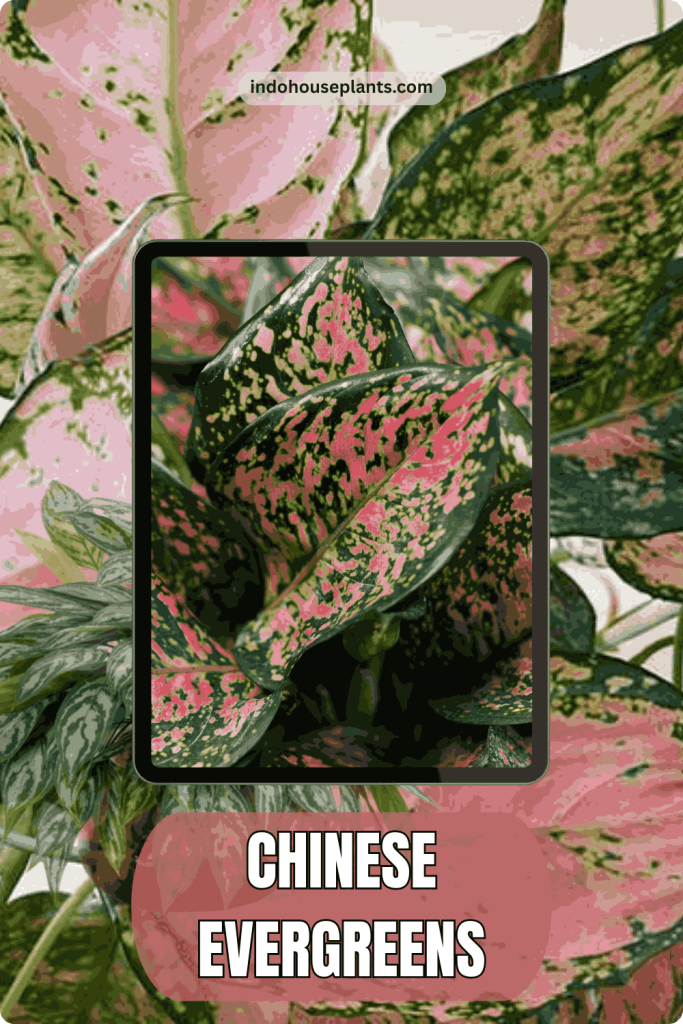
Chinese evergreens (Aglaonema) are often praised as “impossible to kill,” but let me be honest: I’ve proven that myth wrong—more than once. If you dig beneath the surface of plant care advice, you’ll find a graveyard of overwatered, sunburnt, and forgotten Aglaonemas in nearly every seasoned plant parent’s history. The truth is, these plants are forgiving, but there are blunders that almost everyone makes (and hardly anyone confesses to). So here’s what I’ve learned the hard way.
1. “Low Light” Doesn’t Mean “No Light”
When I got my first Aglaonema in 2017, I proudly put it atop a bookcase in my windowless hallway—figuring its “low light” reputation meant I could stick it anywhere. Four months later, the leaves had faded to a dull olive, and new growth just… stopped.
What most people don’t know: Even these champions need some indirect light to keep their colors vivid and their growth consistent. Total shade stunts them (and I had to coax mine back for months under an old desk lamp).
Nowadays, I always ask myself:
“Could I read comfortably here without turning on extra lights?” If not, it’s probably too dim for any plant—even this one.
2. Watering Sins: Overcomplicating or Oversimplifying
Laziness isn’t what kills most Aglaonemas—it’s enthusiasm disguised as “routine watering every Sunday.” Early on, I killed two by treating them like succulents (“they like it dry”) and another by babying one so much it drowned (“keep it moist at all times!”).
From my experience:
- Forget strict schedules.
- Check the soil with your finger—not your phone’s reminder app. Stick it about an inch deep; if it feels damp, wait two days.
- Drainage holes are non-negotiable. A single summer thunderstorm turned my decorative pot into a swamp—mushy stems followed within days.
3. Ignoring Drafts (the Silent Plant Killer)
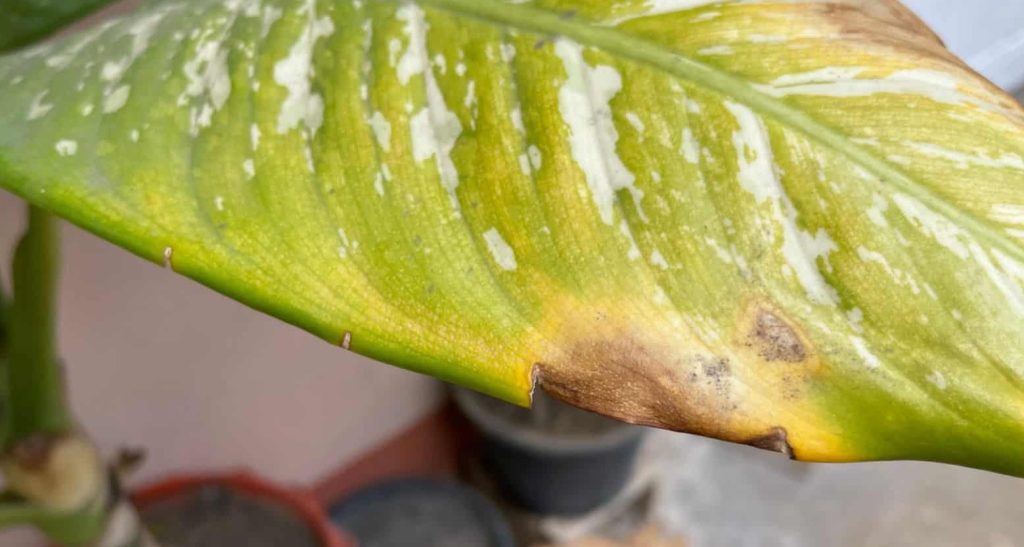
I underestimated how quickly cool air from an open window could stress an Aglaonema. During a 2020 cold snap, mine developed yellow-rimmed leaves overnight after catching drafts for two evenings.
A common mistake: Not realizing that sitting near AC units or drafty windows causes chronic stress—leaves droop first, then brown tips sneak in weeks later.
4. Thinking Fertilizer Solves Everything
When my Chinese evergreen looked lackluster post-winter, I doused it with bargain plant food—and scorched half the new leaves. Most guides say “feed lightly,” but few mention how easy it is to overdo it.
What worked for me:
- Halve the recommended dosage.
- If your plant looks healthy without fertilizer—let it be.
What They Won’t Tell You About Potting and Pests
Repotting Too Soon
I used to repot every new plant into fancy ceramic pots—until freshly shocked roots refused to grow for months. Now? Unless roots are circling aggressively (peek by tipping the nursery pot!), leave it alone until truly cramped.
Assuming Pests Aren’t Interested
In 2022, I brought home a pristine ‘Silver Bay’—three weeks later, spider mites exploded under central heating.
Routine is key:
- Wipe leaves monthly with a damp cloth.
- Check stems for dots or sticky residue.
Counterintuitive Tips That Changed My Results
- Rotate regularly: A quarter turn at watering prevents lopsided growth.
- Skip misting hype: A pebble tray or running a kettle nearby boosts humidity better.
- Trust your eyes: Leaf shine/droop and color are the best early warnings.
Honest Reassurance: You Will Screw Up (And That’s How You Learn)
If no one admits they’ve lost at least one Aglaonema to classic blunders… they haven’t owned enough plants! Every brown tip or sun-fried leaf taught me something—like moving plants just off-center from bright windows.
You aren’t failing; you’re building intuition no nursery card can teach.
Love Your Mistakes—They Grow With You
Every scratch on those glossy leaves is proof that growth (yours included) rarely happens perfectly—and that’s why we keep coming back for more.
Pick one up today (starter sizes cost $12–$20), but remember: your first patchy leaf will teach you more than any perfect care chart.