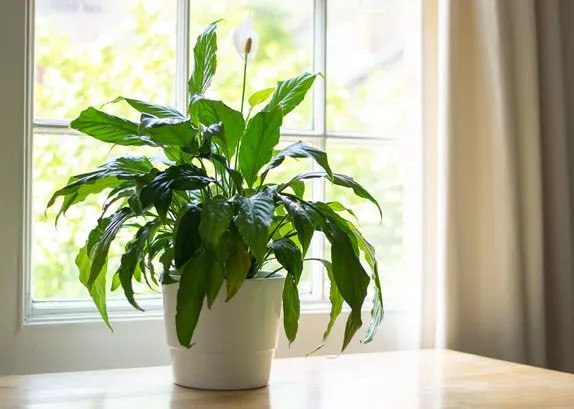
No question is silly when it comes to houseplants, because honestly, most of the “rules” you read about are experts tying themselves in knots over details that rarely matter to regular people! Let me break this down step by step—the way I wish someone had done when I adopted my first wilting peace lily (RIP, Fred).
The Simple Truth: Survival Trumps Perfection
I used to stress myself out with pH meters and luxury soil blends after bingeing expert blogs. Guess what? Simpler works better. Think of it this way: Most common houseplants are basically freeloaders from rainforests—used to getting bumped around, ignored, and surviving on crumbs of sunlight. If they can handle the jungle floor, they can definitely handle a kitchen shelf.
My Realization (And How It Changed Everything)
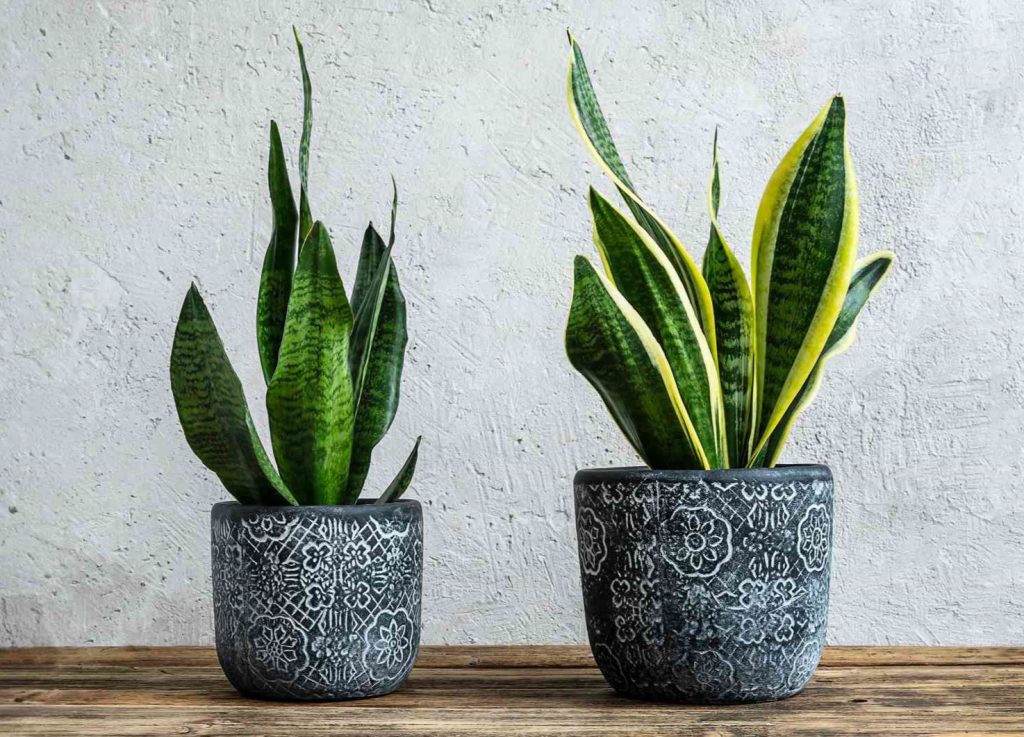
Back in 2019, right in the middle of grad school finals (a.k.a. brain mush season), I bought a snake plant purely for looks—a tall, striped one named Spike. For an entire month, I forgot it existed. When I finally noticed him again (the dust was embarrassing), he looked… exactly the same as day one. That’s when it clicked:
Most houseplants do better when you leave them alone more often than not.
This is the opposite of what all those expert guides suggest with daily mists or elaborate watering schedules.
Step 1: Start With Houseplant “Training Wheels”
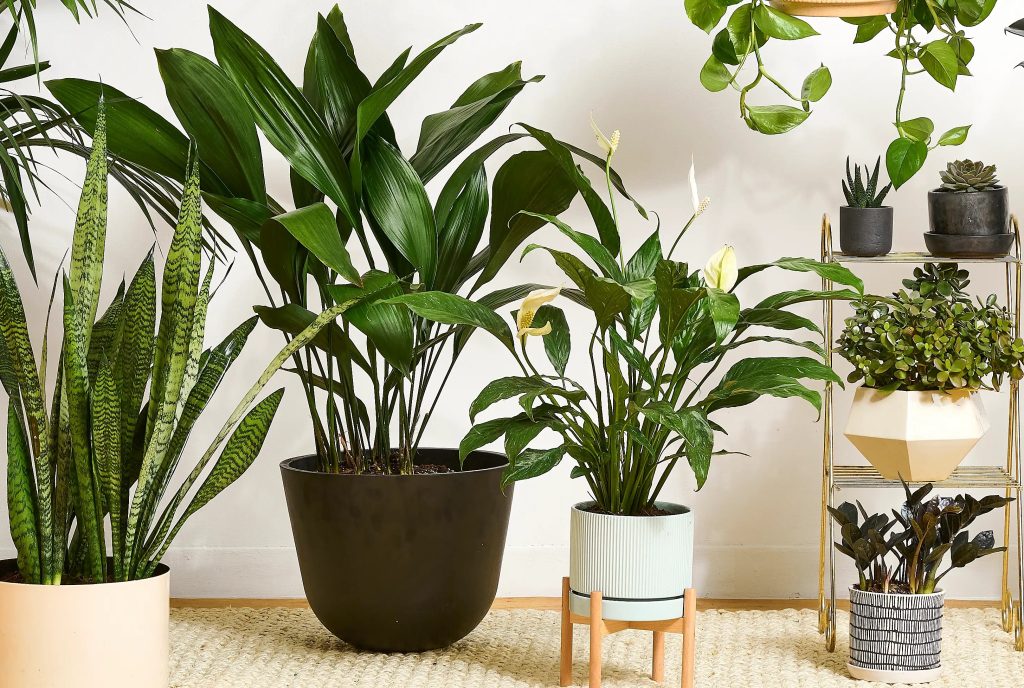
Let’s cut through jargon—here’s my no-fuss starter trio for anyone who doesn’t want their home to become a greenhouse science experiment:
- Snake Plant: Stays alive through most neglect; kind of like that friend who always brings a snack but never asks for anything.
- Pothos: Wants to trail everywhere; great for seeing quick results because one week it looks average and suddenly—bam—vine explosion.
- ZZ Plant: Glossy and nearly indestructible. If you forget it exists until your next birthday, it’ll probably throw you a new shoot as a reward.
What most people don’t know? These plants actually prefer being dry longer than you think. My own ZZ plant has survived two weeks on top of my fridge when I accidentally left her there during vacation prep chaos!
Step 2: Forget About Fancy Light Meters
Experts love to describe lighting with percentages and east-west compass points—but real life doesn’t involve pulling out a protractor every morning.
Here’s what I tell friends: In daylight, sit where you plan to put the plant and try reading a page from your favorite book or your phone without extra lights on. If you can manage without squinting, that’s “enough” light for these starters. That’s how Jen chose her apartment spots—and her north-facing window did just fine.
I once got fancy with grow lights for my first pothos “just in case.” The only difference? Higher electricity bill and slightly warmer leaves (honestly—it grew just as well when I moved it back under regular lamp light).
Step 3: Ditch the Watering Calendar
No app can predict your living room humidity or what last week’s rainstorm did to your plant’s pot drainage. Instead—poke your finger into the dirt about an inch deep (“step by step” really does mean getting hands-on). If it’s dry at that depth? Go ahead and water lightly.
True story—I tried following an online watering chart religiously (every Tuesday!). Lost both enthusiasm and two plants in six months thanks mostly to over-loving them with water.
Jen’s genius trick: Phone reminders titled “Plant Feels?” instead of “Water Now.” Some weeks she skipped watering altogether—the plants didn’t care as long as their soil passed the finger test.
Failed First Attempts Happen
My cousin Mia left her ZZ plant on top of a cabinet under barely-there fluorescent lighting while working abroad…for almost TWO MONTHS during 2021 travel restrictions! Came back expecting compost—instead got shiny new growth poking up like nothing happened.
And full honesty here—I absolutely managed to rot my first snake plant after moving into an apartment with steamy radiators. Too eager with the spray bottle! “Plants breathe air too,” said my aunt over Zoom after my confession, laughing kindly at my earnestness.
That lesson sunk in more deeply than any blog post could.
Step 4: Flexibility Is Key—Don’t Panic At Brown Spots
Look, even seasoned growers get brown leaf tips or yellow patches now and then (hello dry winter air). Clip ‘em off confidently—don’t obsess. Plants don’t hold grudges!
Remember: lean stems (“leggy” vines) aren’t your shame signal—they’re just asking politely for more sun or maybe a little less company from neighboring bookshelves.
And if worst comes to worst—a whole pot turns mushy or crispy—you’ve learned something valuable cheaply and gently (most easy starter plants cost less than takeout lunch).
My Low-Tech Houseplant Start-Up Kit
People often expect me to suggest smart moisture meters or expensive pots. Nope! Here’s what actually worked best for Jen—and now nearly every nervous newcomer who asks me:
- Pick ONE forgiving plant at first. Trust me—it keeps attention manageable.
- Place near any spot you’d hang out naturally during daylight hours.
- Use your finger as your ultimate watering tool—not tech!
- Start small—a second plant only after you’ve seen that first new leaf unfurl.
- Read what the plant tells you visually; ignore complicated charts.
- Find joy in noticing tiny changes (“Ooh! New leaf!”)—that feeling always beats tech alerts for me.
What Keeps Most People Stuck?
Here’s what almost nobody says out loud: You don’t have to be perfect—or even consistent—to have thriving greenery indoors.
If you ever have doubts (“Did I mess this up?”), remember everyone has killed at least one easy-care plant early on—I’ve lost track myself…and still keep buying more anyway! Each attempt teaches patience—a quality much more important than expertise ever will be, if you ask me.
So next time you’re eyeing those Instagram-perfect indoor jungles wondering how they do it? It’s not intricate hacks or pricy gear; it’s about stepping back sometimes and letting low-maintenance plants show off their survival skills while you enjoy the view (and maybe forget them now and then).
You’ve honestly got all you need already—curiosity and willingness to learn by doing! And if coffee gets spilled near their pot instead of water one weekend? Laugh…then wipe up…and try again next Saturday.
Ready whenever you are—I can’t wait till your pothos starts trailing or your snake plant stands proud by that window where YOU feel at ease too!