Standing in the middle of a plant shop, surrounded by glossy leaves and hopeful little pots, I remember exactly how easy it is to feel self-doubt creeping in. Years ago, after murdering yet another spider plant (seriously, who kills a spider plant?), I almost gave up for good.
But here’s something most people don’t realize: If you’ve struggled with houseplants before, the plants are only half the story—the real battle is in your own head.
There’s this persistent myth that you’re either born with a “green thumb” or you’re doomed to collect crispy leaves and guilt. But if there’s one thing I’ve learned after years of trial and plenty of error: The easiest houseplants are less about horticultural skill and more about setting up tiny wins for your confidence.
And that psychological shift—seeing yourself as someone who can keep things alive—makes all the difference.
Why These Plants Are Easy… Psychologically
It isn’t just about hardiness. Sure, snake plants, pothos, and ZZs can survive neglect—but what really matters is they give you visible evidence of success early on.
A pothos doesn’t punish you for missing a watering; instead, it’ll throw out new shoots even after weeks of being ignored. That little sprout is more than just growth—it’s positive reinforcement from nature itself.
From my experience, that immediate reward turns curiosity into habit. You start glancing at your plant when you walk by (“Hey, new leaf!”) instead of feeling dread (“Did I mess this up again?”).
That’s an underappreciated trick: Houseplants that forgive mistakes actually rewire your sense of capability—not just with plants but across your whole home routine.
The Plant Choices That Change Your Mindset
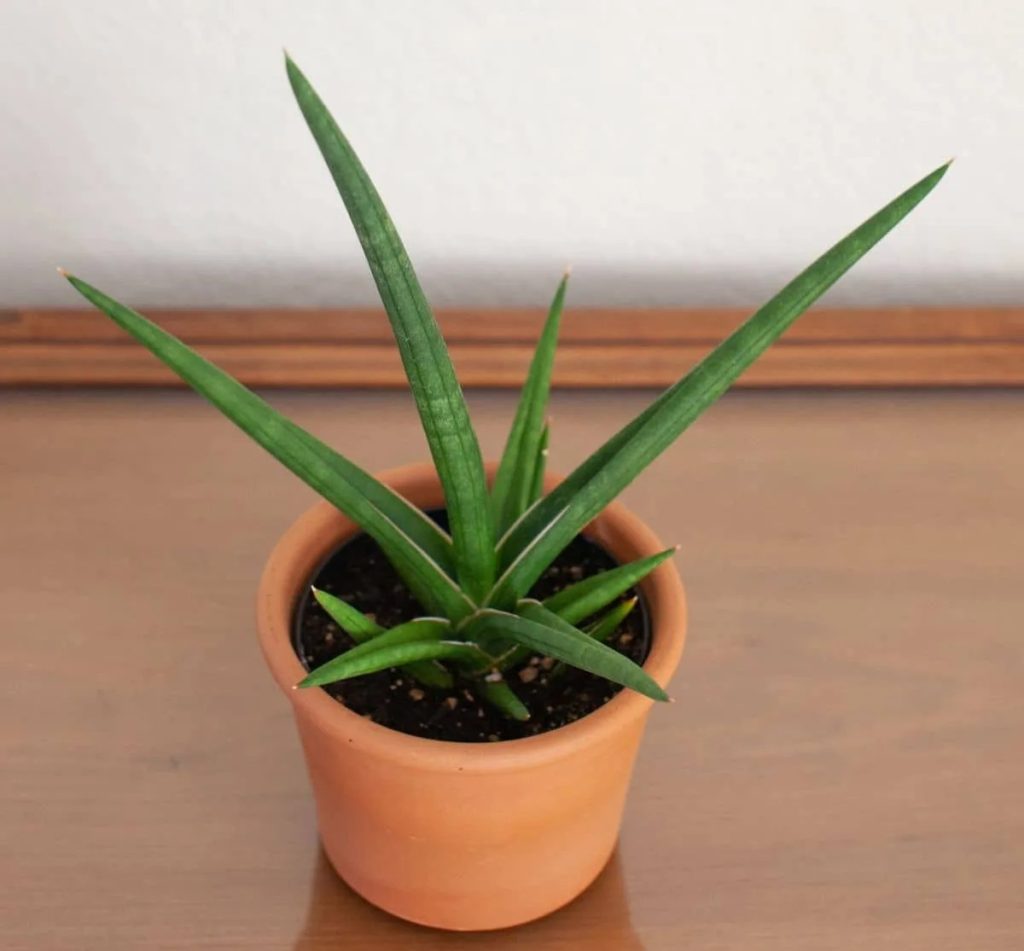
Snake Plant (Sansevieria)
The first snake plant I bought cost me $7 in 2015—and lived through three apartments and two periods where I traveled for months at a time. What worked for me was placing it near my front door; every time I came home late or left early, it greeted me unfazed.
Here’s what most people don’t know: Snake plants actively thrive on neglect because their roots store water like camels. It’s less about what you do right and more about learning not to overdo—a lesson I took painfully long to accept.
Pothos (Epipremnum aureum)
My first pothos started as a cutting from a friend—she snipped off a foot-long vine and stuffed it in water next to her sink while saying, “You literally cannot kill this.” She wasn’t lying.
From my experience propagating dozens since then, pothos gives visual feedback fast: droopy leaves when thirsty, perky ones hours after watering. That real-time response teaches you what attention (not perfection) looks like.
ZZ Plant (Zamioculcas zamiifolia)
I brought home a ZZ plant during my busiest work year—think 12-hour days plus travel—and left it alone in the darkest corner of my office for weeks on end out of pure neglect. Guess what? Glossy leaves kept popping up anyway.
Most people don’t realize these guys are adapted for drought—meaning forgetting is actually part of their ideal care routine.
Unconventional Insights Most Guides Miss
A common mistake I see is beginners obsessing over sticking to strict watering schedules—they set reminders every Sunday morning or use apps that ping them incessantly. Ironically, this leads to overwatering way more often than underwatering with these plants!
Here’s what worked better for me: pairing plant care with something already built into my habits (“check soil when opening curtains” each morning).
Another thing nobody told me at first: tap water quality matters less than where your plant sits physically in your home psychologically. When your new greenery is somewhere visible—next to the coffee maker or near your favorite chair—you connect emotionally without even trying.
My Failed First Attempts
Back in 2012, I killed two succulents by loving them too much (read: drowning them weekly). Only when a more experienced friend told me bluntly “Go away for two weeks and leave them alone” did things improve. Sometimes success starts by stepping back—not doubling down!
Sensory Details That Matter
Let yourself enjoy these sensory details: Run a finger along the snake plant’s striped leaves—they’re cool and waxy even if neglected; watch pothos vines curl toward sunlight during breakfast; hear the satisfying trickle as excess water drains out after not watering for ages.
The Real Psychological Payoff
Here’s something most guides miss: Once you keep one sturdy houseplant alive past six months—through vacations forgotten mail piles stressful weeks—it quietly erases those old self-doubts about not being capable or consistent enough at home maintenance.
It spills over into other routines—I saw friends who gained confidence with plants finally tackle decluttering or cooking because they believed “maybe I can stick out small habits.”
Troubleshooting With Compassion
Yellow leaves? Probably too much love (overwatering). Brown tips? Maybe winter heating—but honestly nothing fatal unless the whole stem collapses like wet spaghetti (trust me—I’ve seen it!). Don’t freak out over cosmetic issues; focus on overall shape and color instead.
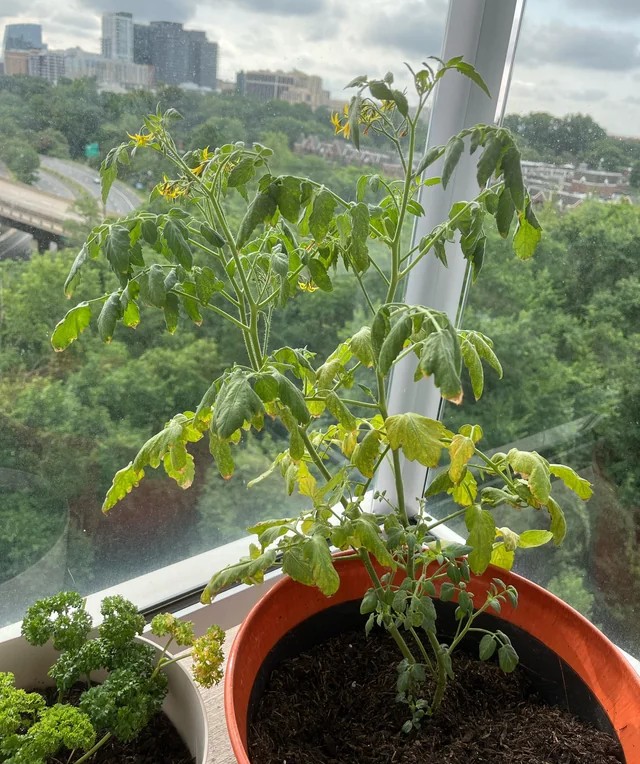
And if something goes wrong? In my home there’s always been a ‘plant hospital’ windowsill—a spot where sad specimens sit while I figure things out without guilt. Half recover; half don’t—but nobody expects 100% success rate except beginners!
Concrete Next Steps—for Your Head AND Your Home
- Pick ONE plant whose look makes you smile.
- Put it somewhere unavoidable so checking on it feels natural.
- Learn its “thirst” signal—soil feels dry an inch down.
- Pair care with an existing habit: After making coffee? Glance at soil.
- Celebrate any progress, not just perfection—a single new leaf means you’re doing fine.
- Forgive every blunder as part of becoming “plant fluent”—just like mispronouncing words when learning Spanish abroad.
Bringing easy-care houseplants home isn’t really about greening up your space—it’s about proving to yourself that micro-successes add up fast when you choose forgiving companions (of both botanical and mental sorts).
Trust me—you’re far more capable than those wilted basil memories make you feel!