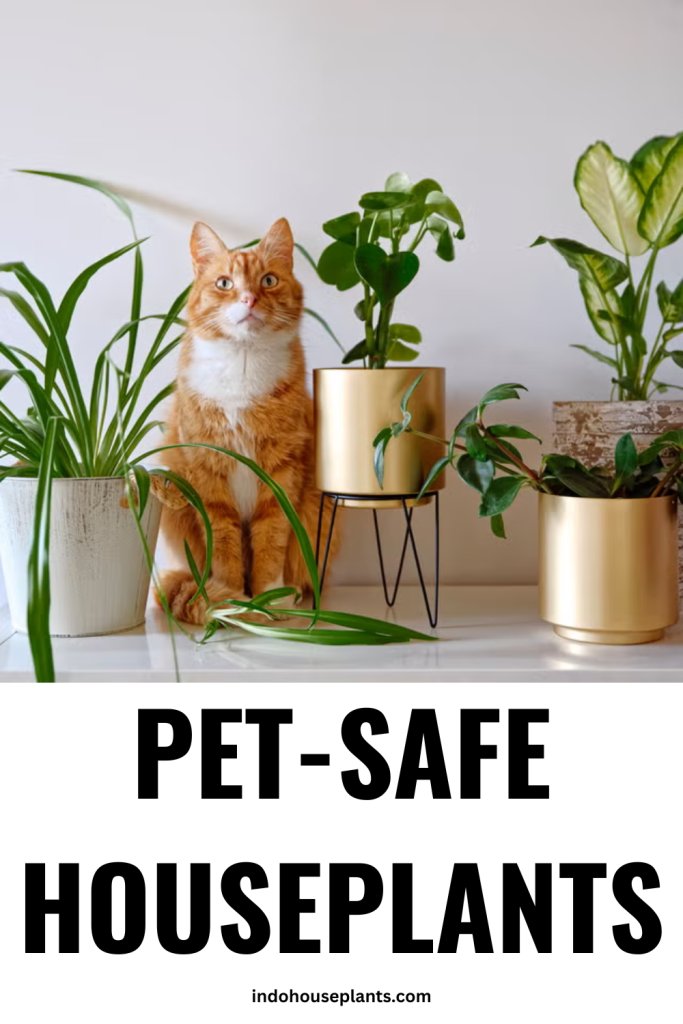
When I first dipped my toes into houseplants, I had two priorities: keep my cats safe and make sure I didn’t become one of those “accidental plant murderers.” Trust me, I’ve overwatered, underwatered, and everything in between—my resume of beginner mistakes is impressive.
If you’re reading this, you’re probably juggling the same concerns, and I promise, you are absolutely not the only one.
So let me give it to you straight—there are houseplants perfect for true beginners and nosy pets. Here’s what I wish someone had told me when I started:
My “Never-Fail” Pet-Friendly Starter Plants
After trial, error, and a few chewed-up leaves, these are my holy grail picks:
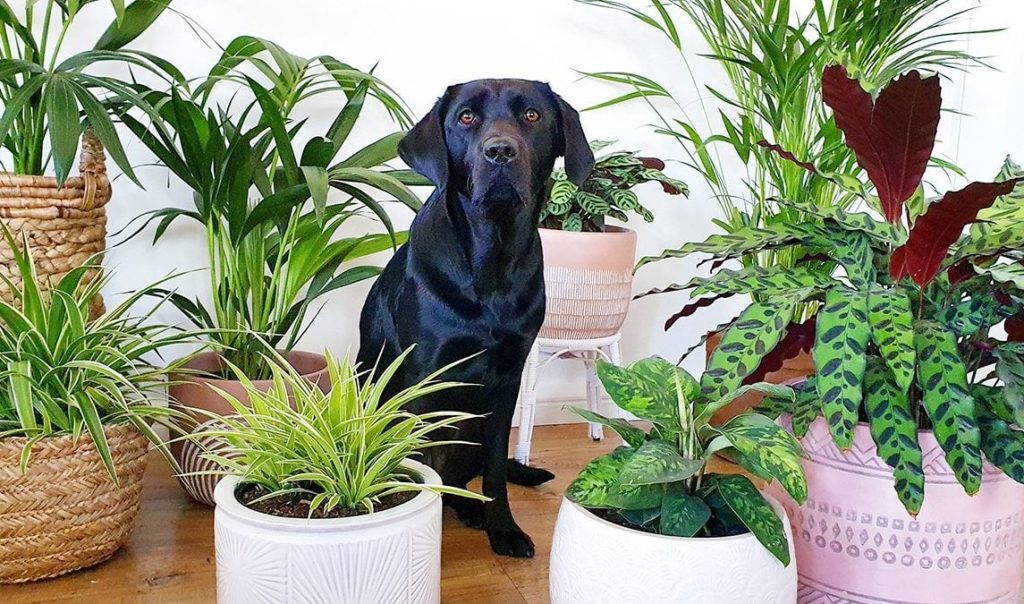
Spider Plant (Chlorophytum comosum)
If plants could laugh, the spider plant would have giggled at my neglect. I once left mine for three weeks while traveling and came back to find it producing new baby offshoots (called “pups”) for fun.
They’re so safe, my cat nibbles on them like salad—zero drama. Indirect light, water when you remember, and that’s it. (Bonus: cats love to bat at the dangly spiderettes, so a hanging basket can be entertaining and out of reach.)
Boston Fern (Nephrolepis exaltata)
Fussy in theory, but in reality these soak up beginner mistakes and look way more “lush jungle” than expected. My friend’s golden retriever once tried to nap in a Boston fern, and it bounced back with a snip and some TLC.
They like a little misting and steady, not soggy, moisture—think of ferns as humidifiers with personality.
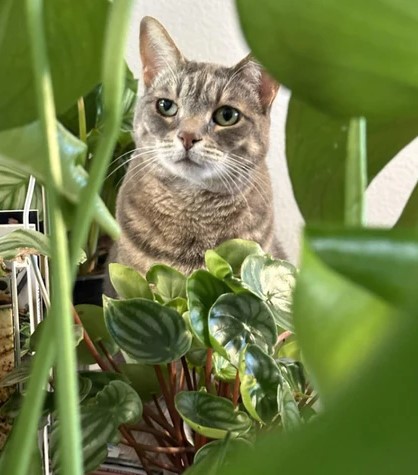
Peperomia (varieties like obtusifolia)
Peperomia was my “I cannot fail” plant—sturdy, low-key, and doesn’t demand much. They’re perfect for desks, bookshelves, or that patch of apartment light that isn’t quite bright enough for fussier plants.
Mine has survived both bone-dry spells and accidental overwatering. Try the baby rubber plant variety for shiny, cheerful leaves all year.
A Few Others Most People Overlook:
- Haworthia: A little spiky but not toxic—perfect if you want a succulent vibe but have curious pets.
- Parlor Palm: A classic—gentle on the eyes, and needs less sunlight than people assume.
- Calathea (Prayer Plant): Their leaves actually fold at night! Just keep the soil lightly moist.
What Most People Don’t Realize About Pet-Safe Plants
Here’s the inside scoop:
- Plant shops often mislabel pet safety—always double check the ASPCA database, or ask a local plant nerd who lives with animals.
- Some “safe” plants are still irresistible chew toys. Even non-toxic equals clean-up duty.
- Plants recover from rough handling better than most people think. Had a spider plant flattened? Don’t panic. Give it some water and time.
True-Story Lessons from Real Life
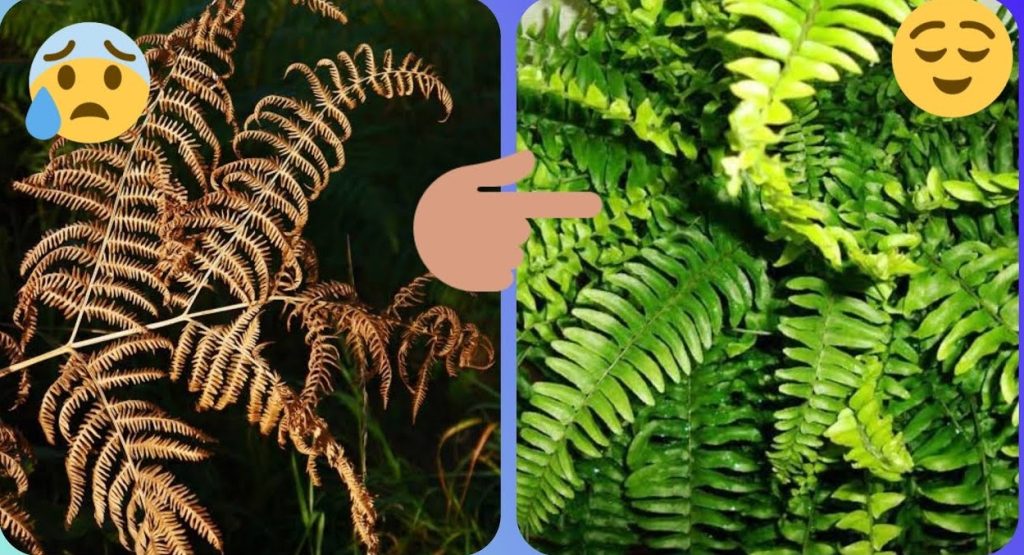
- The first time I owned a Boston fern, I forgot it outside during a cold snap. Half the fronds died. Instead of tossing it, I trimmed the sad bits and moved it to my steamy bathroom—turns out ferns revive quickly with humidity.
- My partner is a forgetful waterer, so he’s on spider plant duty. His trick? “Water Sundays”—every Sunday morning, it’s plants and coffee. No apps or complex schedules.
Beginner Bloopers (And How to Fix Them)
- Too much love = too much water. If in doubt, dry out. Most starter plants bounce back faster from thirst than soggy roots.
- Weird lighting? If you can read a book comfortably where your plant is, it’s probably enough light.
- Can’t keep pets away? Sticky mats (like for kitchen shelves) discourage cats from gnawing on the pot’s edge.
The “Keep It Simple” Method That Works
Here’s my mini-routine that kept me from giving up:
- Pick ONE plant. Don’t buy five—start with the easiest, like a spider plant.
- Drainage is king. Cheap baskets are fine, but make sure there are holes at the bottom.
- Set a visible reminder. I put a sticky note on the fridge: “Plant Check?” every Sunday.
- Observe but don’t obsess. Droopy? Probably thirsty. Yellow leaves? Lighten up on watering.
Unconventional (But Effective) Tips
- Put your first plant in the bathroom—it’ll thrive on shower steam and is often out of pet reach.
- Use a clear plastic saucer under your pot to spot overwatering before roots drown.
- Try bottom watering: fill the saucer, let the plant soak, then dump leftovers. Harder to overdo!
Don’t Overthink It—You’ll Learn as You Go
Nobody gets this perfect the first time. Every “oops” is just a step closer to success, and trust me: the little green wins add up.
If you’re stuck, snap a pic and pop into your neighborhood plant shop—real people love talking plants. Grab that spider plant, put it in a sunny corner, and get ready to watch things grow.
Your plants (and pets) will thank you.