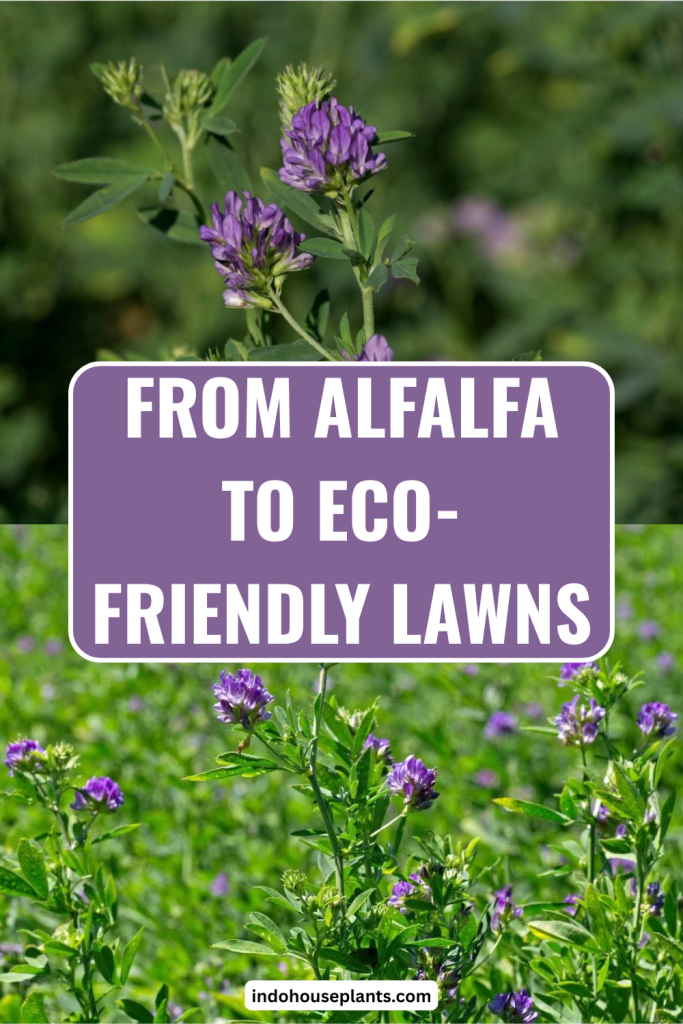
When I first swapped out my alfalfa patch for something a bit more practical as a lawn, I realized that what works for livestock feed doesn’t always make a good neighbor underfoot. Alfalfa is tough and nutritious, sure, but it’s tall, uneven, and thirsty — not exactly what I wanted for my weekend barefoot strolls or impromptu picnics.
If you’re feeling stuck wondering what can replace alfalfa’s benefits but with a far friendlier vibe for your lawn, you’re not alone. I’ve been there, and here’s the lowdown from my experience plus some things most folks don’t realize about these greener alternatives.
Why Dump Alfalfa for Something Else?
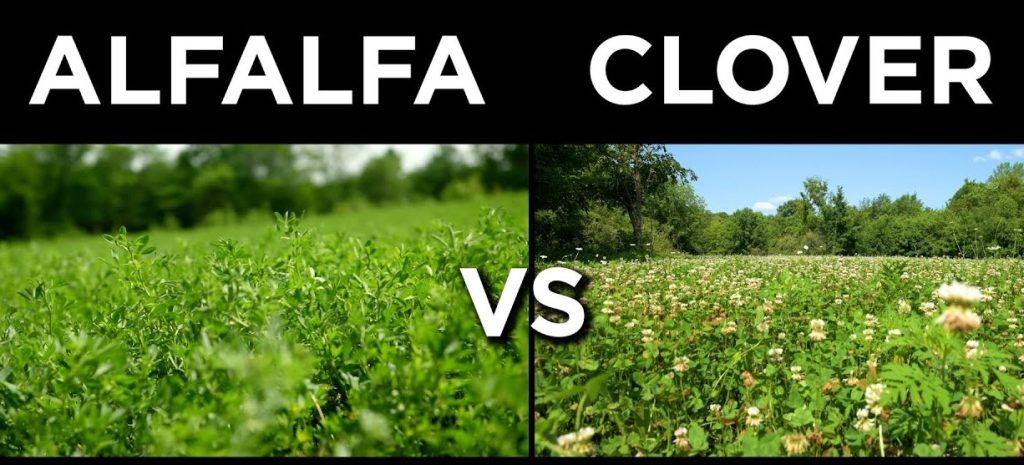
Alfalfa’s bulk can quickly feel invasive, and its deep roots drink a lot of water. Plus, it demands frequent cutting to keep it from growing leggy and patchy. It’s fantastic for a pasture but not so much when you want even, soft coverage for kids, pets, or your afternoon yoga spot.
What most people don’t know is that many “lawn alternatives” not only save you time and water but actually enrich the soil in ways alfalfa can’t match in a lawn context.
My Top Picks – Tried, Tested, and Loved
1. Dutch White Clover — The Low-Key Champion
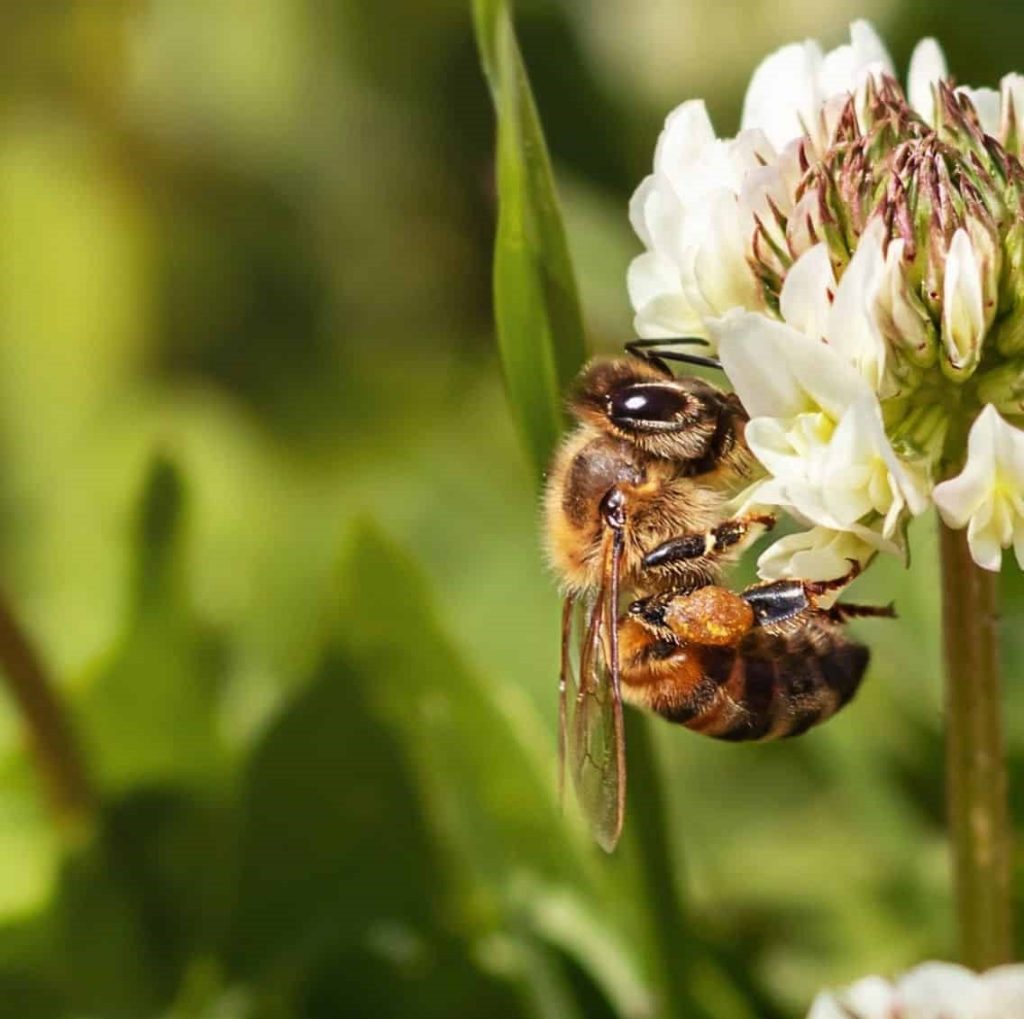
I inherited a scraggly spot in my yard and tossed in clover seed on a whim. Within weeks, it painted a lush, soft carpet that stayed green when nearby grass browned in the summer heat. The magic? Clover’s nitrogen-fixing superpower — it pulls nitrogen from the air, feeding the soil naturally.
Little-known tip: Mixing clover with a bit of traditional fescue seed blends the best of both worlds: the familiar lawn feel with the eco-friendly bonus.
2. Buffalo Grass — The Desert Survivor
If you’re in a place baking under the sun, like central Texas or parts of Arizona, buffalo grass is an old-school local hero. It thrives with almost no water, forming a tight, green mat that feels surprisingly soft.
3. Creeping Thyme — The Fragrant Thinker
I tried creeping thyme along the pathway between my deck stones. Besides smelling divine when I brush by, it’s incredibly hardy and drought-resistant.
Pro tip: Creeping thyme flowers invite pollinators like bees and butterflies — a perfect pick if you want to support local wildlife.
4. Native Grasses — The Prairie Whisperers
Going native was a game-changer for my neighbor, who embraced blue grama and fescues. These grasses evolved for local conditions, so they rarely need watering beyond natural rainfall.
5. Dichondra — The Shade Lover
Under my big oak trees, grass barely makes it through summer. Planting dichondra there filled that tricky shady patch with a soft, green cloak.
How to Nail the Choice
Switching isn’t just about picking any alternative—it’s a little bit like matchmaking. Ask yourself:
- What’s my climate really like? Baking hot or pleasantly mild?
- How much foot traffic does the lawn get? Kids and dogs or just occasional use?
- What’s my water budget? Quick showers or regular irrigation?
Real Talk on Common Concerns
- “Will it look like ‘normal’ grass?” Some alternatives defy the classic lawn look, but in the best way.
- Weeds? Plant densely, and clover or native grasses choke out weeds naturally.
- Establishing new lawns can feel fiddly. Prep soil well and seed in spring or fall.
My Personal Journey
After sowing clover seed in early spring, I watched transformation happen. Bees started buzzing, kids played without mud patches, and I spent far less time mowing.
Getting Started — Your Simple Action Plan
- Pick one or a combo based on your yard’s demands.
- Source seeds from local suppliers—they know your region best.
- Clear the existing lawn thoroughly—mow low, rake debris, loosen soil.
- Sow seeds in optimal weather (spring or fall).
- Water gently but consistently until established.
Remember, switching your lawn isn’t flipping a switch overnight. It’s an experiment and a journey.