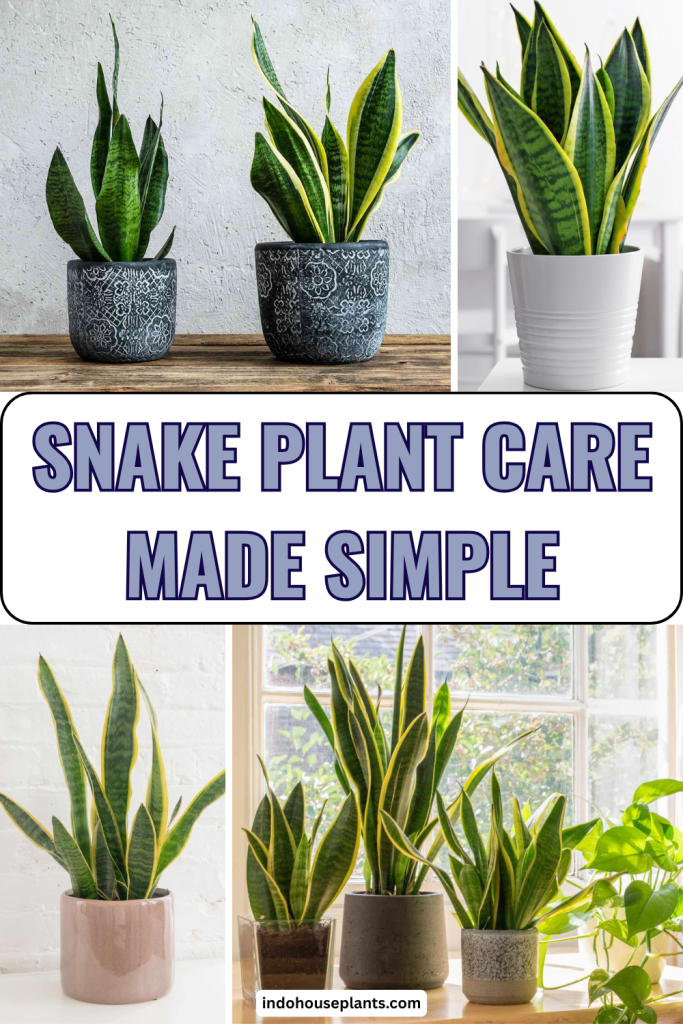
Let’s be honest: the snake plant is the ultimate test of whether minimalism works in plant care—and, frankly, it proves that most “expert” advice is just making things harder than they need to be. The reality is, these plants want you to leave them alone more than anything. If you’ve ever killed a houseplant by loving it too much, welcome to your comeback story.
[IMAGE: Close-up of a healthy snake plant in a simple pot]
I bought my first sansevieria in 2019 on a whim at a hardware store for $12—no fancy nursery, no “rare cultivar” upcharge. I plopped it into whatever basic pot was handy (plastic! zero drainage drama), used leftover cactus soil from my last plant attempt, and stuck it in the gloomiest corner of my living room. Guess what? It not only survived but doubled in size before I even remembered to fertilize once.
Here’s what matters (and what most people won’t tell you): skip the calendar-based watering schedules, ignore most lighting charts, and focus on two essentials—let the soil dry out completely and don’t park it in direct sun that fries your eyeballs.
Snake Plant Success: No-Nonsense Edition
1. Why Bother With Sansevieria?
People love to rattle off NASA’s air purification stats—I say, forget science fiction. The real draw? You get stylish vertical leaves that don’t flop over if you miss a watering (or five). They’re the introvert of plants. Want companionship but no chit-chat? Sansevieria gets you.
2. Location: Don’t Overthink It
Here’s an unconventional truth: snake plants will put up with almost any spot except a windowsill that bakes all afternoon. Mine sits about seven feet from an east window—far enough that it never gets direct beams but close enough for me to remember its existence.
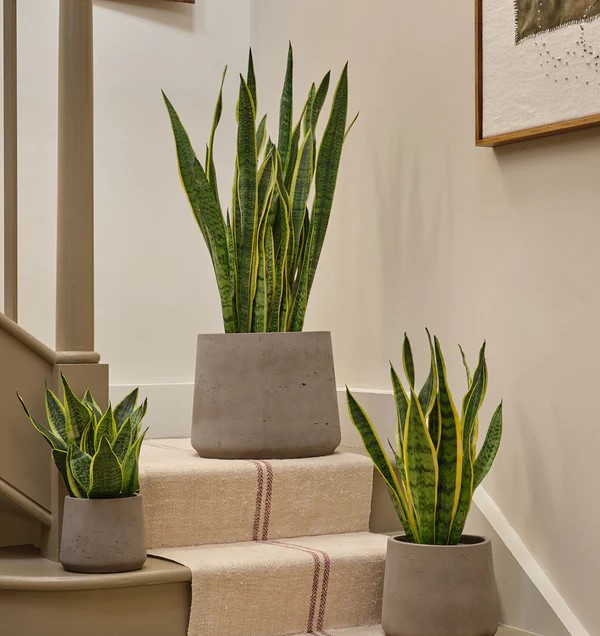
Another example: My neighbor keeps theirs under a staircase landing with only artificial light half the year—they still send up new growth every spring! So unless your place is basically a closet with no lights ever on, you’re good.
3. Watering: When Less Really Is More
Forget “every two weeks.” That’s textbook stuff written by someone who never lived through an apartment heatwave or drafty winter. Instead, here’s the practical test:
- Stick your finger deep into the soil—if there’s any hint of moisture (even coolness), walk away.
- If bone dry all the way down and leaves look a little wrinkly? Only then do you water thoroughly—until it trickles out of the bottom.
- Never let the pot sit in water; dump any excess immediately.
True story: My own failed first attempt was watering “on schedule.” Within three months, yellow leaves everywhere. Once I started waiting until everything felt desert-dry (sometimes four weeks between waterings!), things perked right back up.
4. Soil & Pots: Use What Works
All those specialty mixes people recommend? Save your money unless you’ve got them lying around already. Any well-draining mix does fine—cactus soil is best if you have it, but regular old bagged potting mix works if you go easy on the water.
I repot mine maybe every three years when roots start circling or popping out—a classic sign it’s time to give them space. Cost breakdown for my last repot: $6 for new soil, reused pot from leftovers bin = zero fuss or expense.
5. Fertilizer: Optional at Best
I’ll level with you—I fertilized once last summer because I walked past a clearance rack and thought “Why not?” Did I notice dramatic changes? Nope. Snake plants don’t eat much; feed lightly in spring/summer IF you remember…otherwise skip without guilt.
6. Pruning & Problem Solving
Most issues boil down to one mistake: too much attention (namely overwatering). Mushy leaves? Cut them off at ground level with clean scissors—I use kitchen shears wiped with rubbing alcohol—and let everything else dry out undisturbed.
Brown tips sometimes happen if your tap water is full of minerals (mine is). Solution: Snip ‘em if they bother you aesthetically; otherwise ignore them like background noise.
Real Talk Recovery
A friend texted me panicking after her toddler dumped an entire cup of juice into her plant (“It’s sticky and smells like apple!”). We rinsed it out under lukewarm water in the sink and left it completely alone for three weeks—the thing bounced back as if nothing happened.
Here’s What Most People Don’t Know
- Sansevierias barely grow during winter—that pause means they’re not sick or dying; they’re just napping until longer days return.
- Light changes everything faster than watering routines do; moving from dark corners closer to moderate daylight gives instant results within weeks.
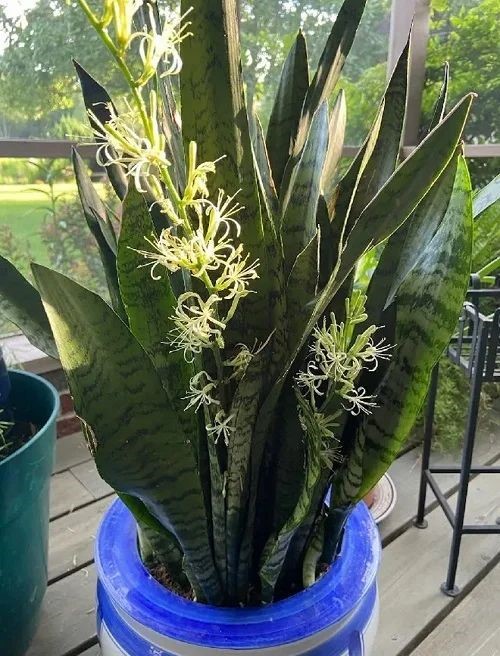
- If your snake plant starts flowering unexpectedly (mine did once after being rootbound), take photos—it probably won’t happen again soon!
Skip the Fluff – Your Checklist
- Put your plant somewhere with indirect light—not directly roasting in sun.
- Ignore strict schedules—water only when bone dry.
- Make sure there’s no standing water after you irrigate.
- Use any potting mix that isn’t dense clay; just avoid suffocating roots.
- Relax—you almost can’t hurt this thing unless you try really hard!
Set yourself free from overcomplicating care charts and routine reminders—the less effort here, truly, the better off both of you will be.