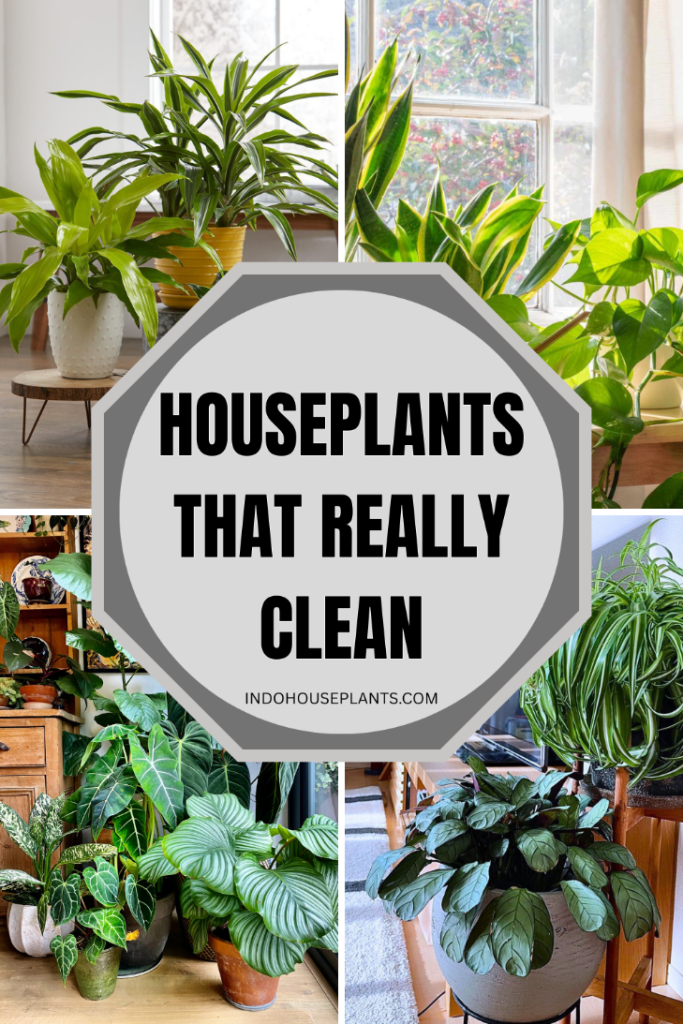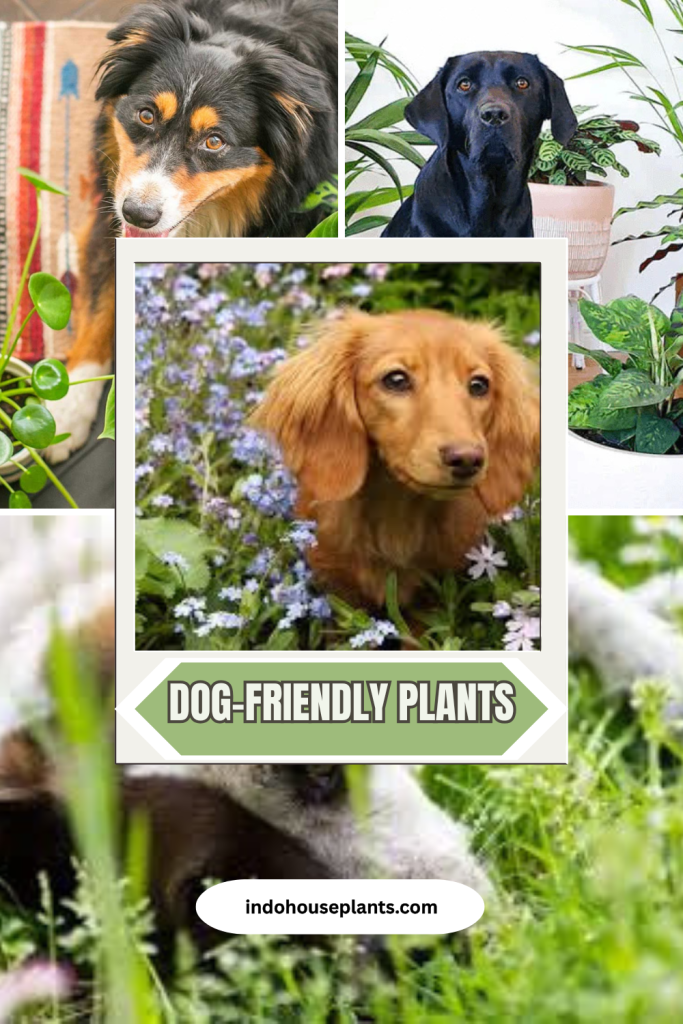
Bringing plants into your home when you have a dog is such a rewarding but tricky balancing act. I’ve been there—watching my curious pup sniff and nibble everything within reach while I’m trying to cultivate a green sanctuary. The worry that a beautiful plant could turn into a health hazard really keeps you on your toes. Here’s what I’ve learned from experience that goes beyond the usual “just pick non-toxic plants” advice.
Why Picking Dog-Friendly Plants Isn’t Just About Toxicity
Sure, toxicity is the headline concern. But what’s often overlooked is how a dog’s personality and habits interact with your plant choices. For example, my dog isn’t just a casual nibble-er; she’s a full-on chewer and digger. This means I don’t just avoid poisonous plants—I go for ones that either don’t interest her taste buds or are tough enough to withstand some investigation.
A spider plant is perfect here. I once read it’s “non-toxic,” but what that doesn’t tell you is that they tolerate a little munching without turning yucky or sick-making. And my dog, who loved to chew my philodendron to shreds before, completely lost interest in the tasteless spider plant leaves. So safety can mean “boring to your dog” as much as it means “not poison.”
Real Plants That Worked For Me (And Might Surprise You)
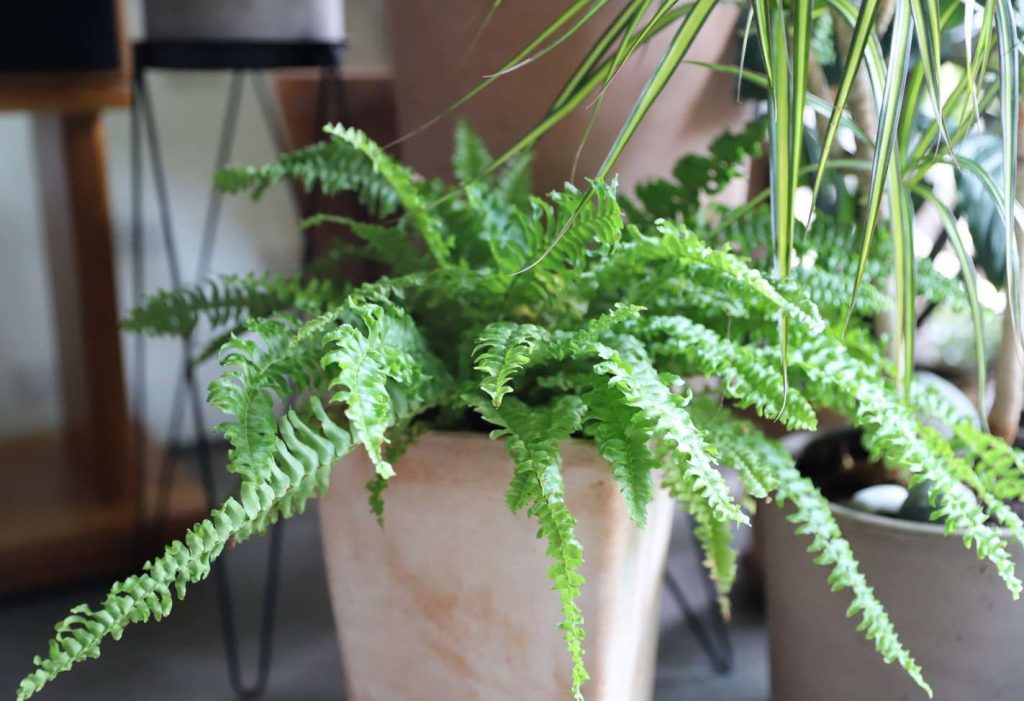
- Spider Plant (Chlorophytum comosum): Beyond being safe, they’re tough and bounce back from some wear and tear. Perfect if your dog is curious.
- Boston Fern (Nephrolepis exaltata): Lush and vibrant but also a bit fibrous—dogs tend to leave it alone after a quick sniff.
- Cast Iron Plant (Aspidistra elatior): These guys are nearly indestructible and safe around pets. I once knocked over a heavy pot—the scuff marks didn’t even hurt the leaves.
- Areca Palm (Dypsis lutescens): Adds a tropical vibe without toxin worries. My neighbor’s dog was fascinated but never really ate the leaves.
- Prayer Plant (Maranta leuconeura): This one is a little jewel; it’s pet-safe and has eye-catching leaves that change with light.
What Most People Don’t Realize About Toxic Plants
People love plants like lilies, philodendrons, and dieffenbachia because they’re classic and beautiful, but what’s often missed is how rapidly these can cause allergic reactions or internal irritation—in some cases within minutes. I had a friend whose dog had to get emergency treatment after chewing on a philodendron. The swelling and discomfort were heartbreaking but totally avoidable.
Also, the “Sago Palm” is a silent but sneaky killer—just a tiny bite can cause severe liver damage in dogs. The name might sound harmless, but trust me, steer clear.
How I Managed Plant Placement With a Chewing Pup

Putting plants “out of reach” often doesn’t work with determined dogs. My solution was layering defenses. I hung spider plants in baskets just above her head level—she could see and smell but wasn’t tempted enough to leap. I also set up physical barriers like decorative plant stands or baby gates. Sometimes a bowl with a safe but intensely bitter spray helped curb her interest, too.
Tips To Navigate Confusing Labels and Local Nurseries
Whenever I buy plants locally, I always snap a photo of the tag and cross-check it with the ASPCA’s online list during checkout. It’s crazy how many nurseries don’t label toxicity status because they don’t consider pet safety a priority.
If you can, reach out to local garden centers specializing in pet-friendly plants or join online plant lover groups that focus on pets. These communities are treasure troves of insider tips and real reviews.
Safety Is More Than Toxicity—Watch Behavior, Too
Even the safest plants can upset your dog’s stomach if they eat a whole bunch in one go. It’s less about if the plant poisons your dog and more about preventing any kind of upset or discomfort.
I recommend introducing new plants slowly and observing your dog closely. If your pup starts to get too interested, gently redirect them, or enrich their environment with chew toys or other distractions. Giving your dog plenty of mental and physical stimulation helps reduce that “plant as a chew toy” temptation.
Final Thoughts: You’re Creating a Sanctuary, Not Just a Garden
Your instinct to dog-proof your greenery means you’re doing much more than just picking safe plants—you’re crafting a home where your dog can explore without danger and you can nurture your love of plants guilt-free. That balance isn’t always easy, but it’s absolutely possible with some planning.
If you want a quick checklist to get started today:
- Sketch out which plants you love that are confirmed non-toxic.
- Visit your favorite nursery armed with your phone and a trusted toxicity list (ASPCA.org is a must).
- Place plants in spots that match your dog’s curiosity level—out of reach for chewers, eye-level for casual sniffers.
- Observe your dog’s reaction to new plants and be ready to adapt.
- Keep emergency contacts handy—vets and Pet Poison Helpline (1-800-213-6680)—just in case.
With these steps, your home can be a vibrant, living space that’s both visually enriching and a safe haven for your four-legged family member. Trust me, once you strike that balance, your dog’s comfort and your plant envy can happily coexist.