
A lemon tree in your kitchen is one of those “small joy, big reward” projects—but let’s be real: there are ways life with Meyer can get frustrating fast. Here’s what I wish someone had told me before I started (plus a few battle scars I earned along the way).
What Growing Lemons Indoors is ACTUALLY Like: Step by Step
Start With a Grafted Meyer (and Here’s Why)
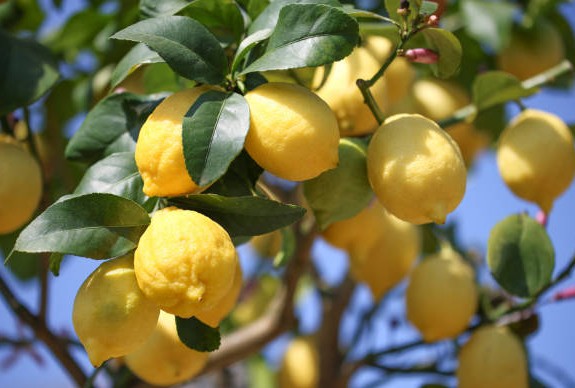
Think of it this way: starting from seed is like adopting a puppy knowing it won’t bark for a decade. If you want lemons in this lifetime, buy an already-grafted Meyer lemon tree—those union lines on the lower stem tell you it’s ready to produce, not just look leafy.
Mine was about two feet tall when I brought it home from a local nursery; came with three baby lemons already forming and smelled faintly of sunshine. Pro tip: ask the nursery if they’ve acclimated their trees to indoor light. I skipped that question my first time… poor thing sulked for months adjusting from greenhouse glamour to my dry apartment air.
Light: The Non-Negotiable Factor Most People Downplay
Here’s what most people don’t know—lemon trees will survive under basic conditions but only thrive with aggressive sunlight. The “south-facing window” line gets thrown around, but let me break this down: if you can read a book beside your desired spot for at least eight hours WITHOUT straining your eyes, you’re good. For everyone else? Get a full-spectrum LED grow light.
Here’s my surprise twist: those $25 clamp lights from hardware stores work as well as fancy models if paired with proper bulbs (6500K daylight). Set them on an inexpensive smart timer—mine runs 14 hours in winter and shuts off automatically while I’m asleep. This ramped up flower production fast, after months of nothing but leaves.
Container and Soil Decisions You’ll Wish You Made Right Off the Bat
No question is silly here—a 12″-14″ diameter pot feels huge for a small tree, but roots need elbow room and airflow. Let me put it bluntly: plastic pots lock in too much moisture. My clay pot (terra cotta) costs $12 at the garden center and lets roots “breathe”—I haven’t had root rot since.
Soil? Skip anything labeled “general-purpose”—my rookie mix turned into soggy oatmeal before week three. Instead:
- Grab cactus/citrus-specific mix.
- If you must DIY, use 2 parts regular potting mix + 1 part perlite + generous handful worm castings.
Stick your finger in after watering; it should feel slightly springy—not muddy or compacted.
Watering Realities (and Avoiding ‘Lemon Death by Kindness’)
Step by step:
- I water when the top inch dries out—usually every 6-9 days indoors.
- Winter slows things down; sometimes it stretches to 2 weeks between waterings.
- Use rainwater if possible—chlorinated tap water gave mine leaf tips burns (learned that one by watching half my new leaves shrivel).
Want specifics? My four-foot tree usually wants about half a gallon spread around its base (with excess drained out), not dribbled in tiny portions daily.
The first time I overdid things, leaves yellowed and dropped—the classic sign of too much love via watering can! Excess water sits at the bottom (that saucer fills up quick), so always dump standing liquid within an hour.
Fertilizing Isn’t Optional Indoors
The truth? Your living-room lemon isn’t getting nutrients from last year’s leaves or neighborhood worms like an outdoor tree would.
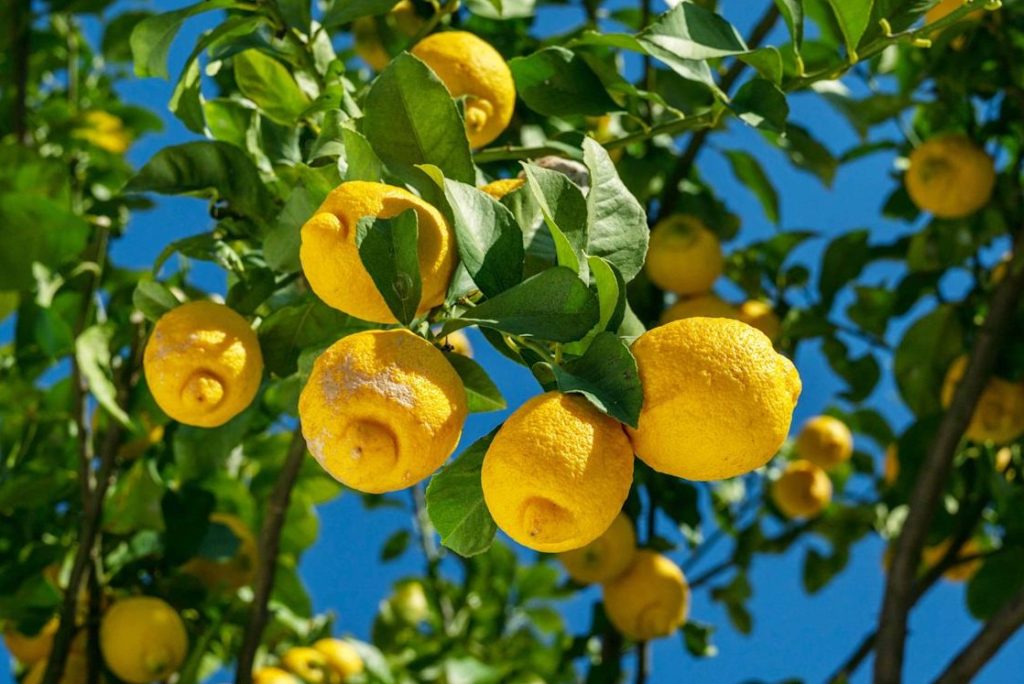
Citrus fertilizer marked for indoor use should have extra magnesium and micronutrients—mine’s Espoma Organic Citrus Tone, sprinkled once monthly March through October, then skipped entirely December–February when growth stalls.
I tried liquid fertilizer at first, but accidentally overdosed—hello twisted leaves! Pellet-style food keeps things balanced without guesswork or burn risk.
If you remember one thing about feedings: stick to a schedule, not moods.
Troubleshooting Like Someone Who’s Been There
Let me break this down using my actual failures:
Scenario #1: Leaves turned yellow mid-February
What went wrong? I’d switched heaters and parked my lemon next to an old radiator—the blast of hot air dried out roots AND scorched edges.
Fix: Moved her six feet away and misted daily; new green shoots appeared after about ten days of TLC.
Scenario #2: Lemon buds dropped without fruiting
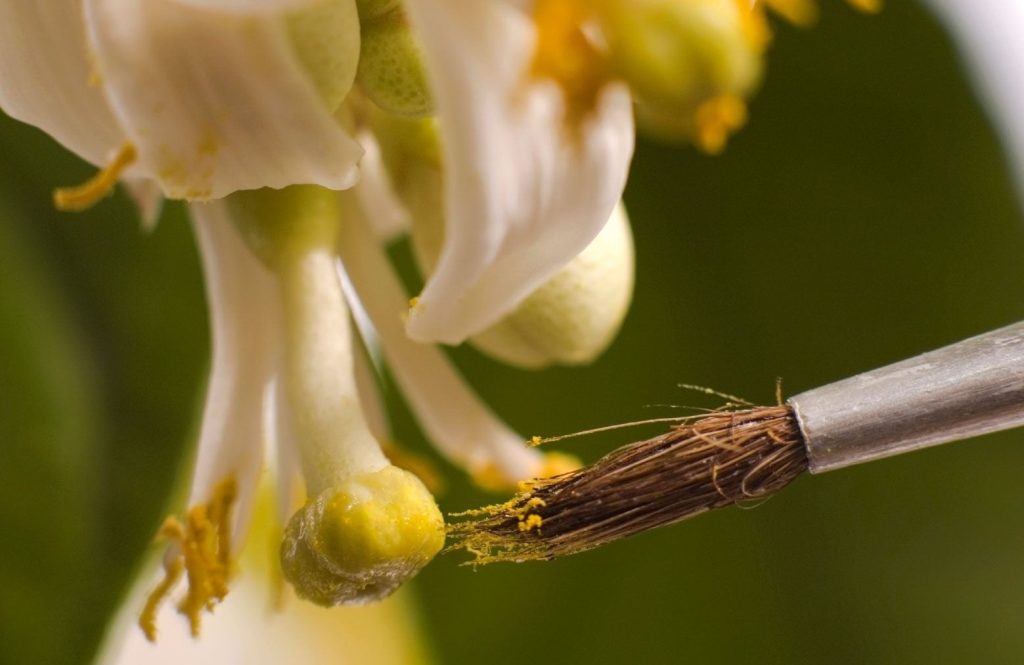
This one threw me until another grower clued me in—indoor lemons sometimes need “hand pollination.” Grabbed a clean watercolor brush (“borrowed” from my kid) and dabbed each blossom gently during evening TV binge sessions. Two months later… actual fruit!
Scenario #3: Sticky residue all over upper leaves
Aphids snuck indoors during summer open-window season—tiny green bugs partying unnoticed under foliage.
Fight back approach:
- Sprayed soapy water mixture weekly for three weeks
- Wiped every leaf top/bottom with damp cloth
Lesson learned? Check undersides religiously anytime new growth appears—and quarantine any plants brought inside!
Unconventional Tricks That Actually Work
Mist Your Tree Every Few Days
Apartment air is drier than Florida sunrooms ever get—a simple spray bottle makes all the difference during heating season (especially near vents). Ignore folks who say humidity trays alone suffice—I’ve had best luck misting stems/leaves directly during lunch breaks.
Rotate Your Pot Monthly
Sunlight never quite reaches every angle inside—we’re not spinning around the sun here! A quarter turn every few weeks keeps growth even and reduces weird leaning tendencies that haunt window trees everywhere.
Take Photos Monthly
Sounds silly? It isn’t! Comparing progress helps you catch slow declines early or celebrate progress when those first glossy new leaves appear.
Recap Checklist From My Gritty Years Trying This:
- Buy grafted Meyer only
- Brightest possible spot—or strong LED on timer
- Big clay pot + citrus soil blend
- Top inch dry before deep watering with filtered/rainwater
- Monthly slow-release citrus food Mar–Oct
- Mist & rotate regularly
And if something looks off… don’t panic! Most problems are fixable with patience and small tweaks rather than heroic measures.
You absolutely CAN do this—even if your thumb is only faintly green right now! Don’t stress over perfection; messy progress counts (I still Google random issues now and then). Watching little lemons swell while snow falls outside never gets old—I promise this journey will be worth every learning curve blip along the way!