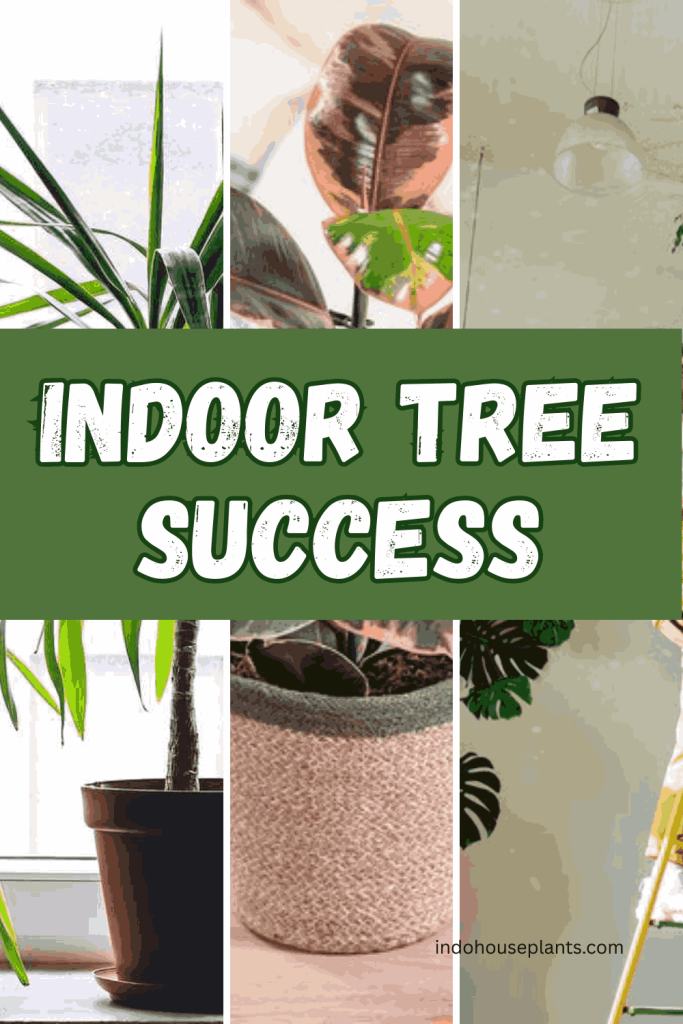
There’s a special kind of pride in keeping an indoor tree alive—especially if, like me, you once thought “How hard can it be?” (Spoiler: sometimes, it’s hard.) My first attempt was a Fiddle Leaf Fig. It stared at me balefully for months, dropped half its leaves after I moved it near the heater (ouch), and only perked up when I finally stopped fussing over it every day. There’s no magic formula, but I’ve learned what actually matters—and which “expert” tips you can ignore.
Here’s what I wish someone had told me when I started out.
Fast Track: 5 Steps to Indoor Tree Success
1. Choose your starter tree wisely
2. Find the right spot—then leave it alone
3. Water less often than you think
4. Use chunky, well-draining soil
5. Don’t panic about leaf drops
Don’t stress about getting everything perfect your first try. You’ll figure it out as you go—promise.
My Real-Life Favorites for Beginners
Forget top-10 lists; here’s what’s survived my clumsy years and still looks good:
Rubber Tree (Ficus elastica)
The indestructible champion of apartment living. My current one shrugged off a winter below 60°F with nothing but weak east light—you’d think it was made of plastic.
- Pro tip: Every few months, I put mine in the shower for a gentle rinse (yes, literally) to wash off dust—leaves go from dull to glossy overnight.
- Unexpected bonus: Letting them get slightly rootbound makes the colors richer and growth taller. Don’t rush to repot every year.
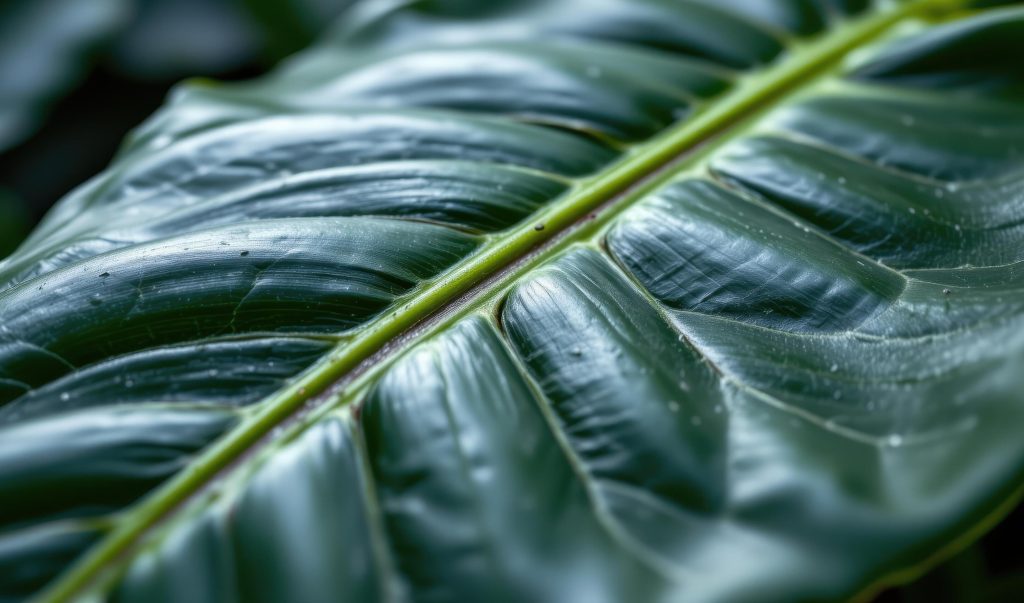
Dracaena ‘Janet Craig’ or Marginata
If you forget water (or forget you own plants at all), Dracaena is your new best friend. Mine endured three moves—including a car ride with spilled coffee—and never even wilted.
- How dry is dry enough? Stick your finger two inches in; if it’s dry and the pot feels feather-light, that’s your moment.
- Quirky habit: Rotate the pot every couple weeks or it’ll lean toward the window like a sun-hungry cat.
Fiddle Leaf Fig (Ficus lyrata)
Yes, they’re dramatic—but only if you constantly move them around or overwater out of guilt (been there).
- Golden rule: Once you pick its spot, swear an oath not to move it unless absolutely necessary.
- Mini celebration: If a new leaf feels soft like suede? You did something right.
If you want something ultra-easy or have “plant neglect” tendencies, Parlor Palms and ZZ Plants are practically foolproof too.
Lighting: Your Make-or-Break Factor
This stumped me for ages! Here’s my shortcut: At noon on a sunny day, stand where your tree will go and look at your shadow on the floor or wall.
- If you see a clear outline—even if faint—that’s “bright indirect” light.
- If your shadow is blurry or barely shows up, try moving closer to a window or supplement with a full-spectrum bulb (I use cheap $20 Sansi clamp lights clipped to shelves).
Warning signs of too little light?
- New leaves are tiny and far apart (“leggy” growth)
- The plant leans dramatically toward any windows
- Leaves get dull or start yellowing at the edges
North-facing rooms can work with some help, but don’t expect miracles without extra lighting.
Watering: Busting the Most Common Mistake
“Don’t overwater!” everyone says—but how do you know when enough is enough? It took me killing two trees before I got this right:
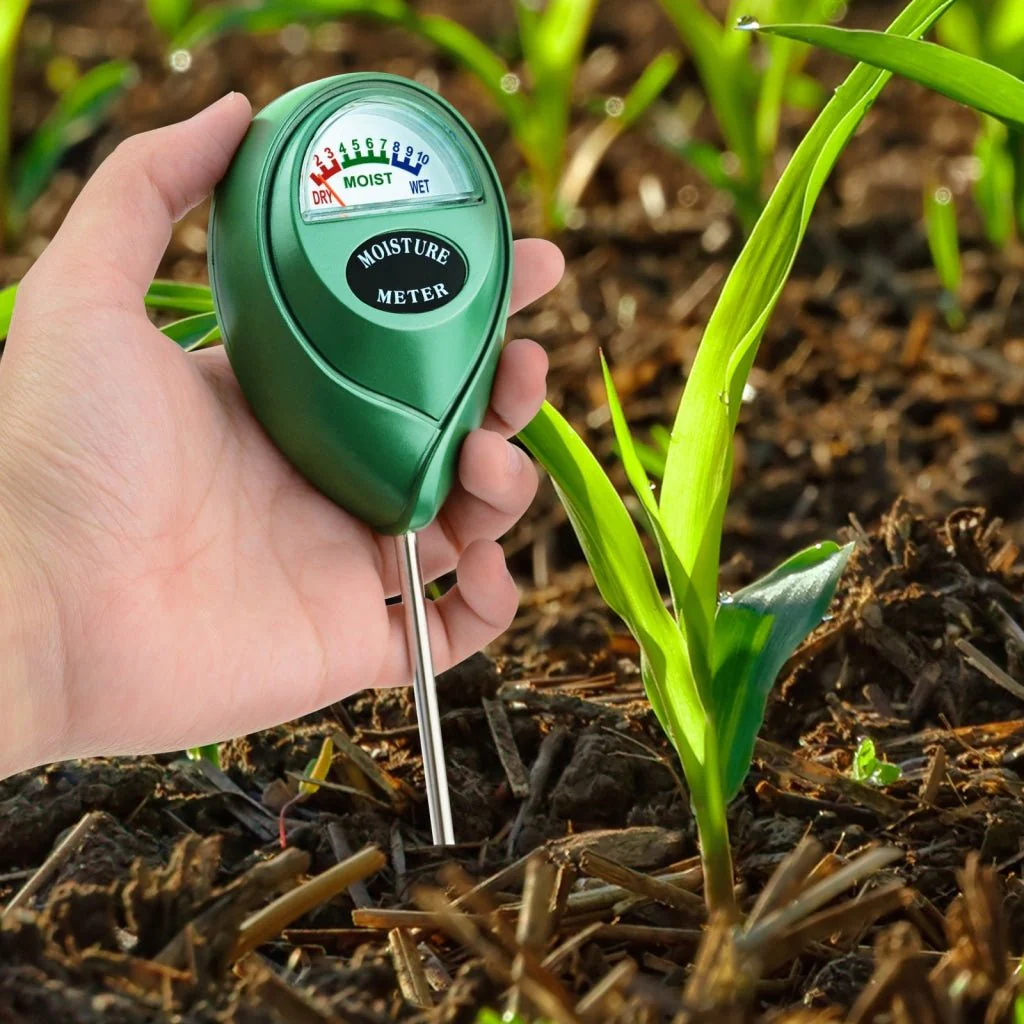
- Poke your finger in—dry means DRY.
- Tap the side of the pot: dry soil sounds hollow; damp soil sounds dense (this changed my life).
- For chronic over-waterers: Use terra cotta pots—they wick away excess moisture so roots don’t rot as easily.
Still worried about forgetting? Set a phone reminder for every 10–14 days at first—but always check dryness before pouring anything in.
Soil & Pots: The Overlooked Key
Drainage holes are essential (yes, really), but here’s what more guides should say:
- Put a piece of broken plate or clay shard over each hole before adding soil—it lets water escape but stops soil from clogging things up.
- Mix in perlite or orchid bark; aim for about 1/4 of your mix being chunky stuff so roots get air.
You don’t need fancy bags—$9 covers four big pots if you mix regular potting soil and perlite yourself.
When Life Happens: Moving & Mishaps
Moved apartments? Sudden drafty night? Trees sometimes drop leaves just because they’re annoyed. My parlor palm once lost half its leaves during finals week—I nearly gave up! Instead, I trimmed off crispy bits and waited two weeks. It bounced back with six new fronds by spring.
Bottom line: Consistency does more than any fertilizer or plant hack ever could. Don’t change three things at once; let them settle in after any shock before making adjustments.
Special Situations & Hacks
No sunlight at all?
Try Dracaena ‘Janet Craig’ or ZZ Plant—mine doubled under nothing but LED bulbs in an old office basement. No window needed!
Pests show up?
Spider mites invaded after one bad bag of outdoor dirt (#neveragain). Treat with neem oil spray every week for 2–3 weeks; wipe down leaves if needed—you’ll see improvement fast.
Humidity issues?
In winter my Fiddle Leaf Fig gets crispy edges no matter how much I mist it… but grouping 3+ plants together builds up their own mini humidity bubble! It works far better than spraying alone.
What I Wish I Knew on Day One
- Most deaths are from too much love—not neglect.
- Plants grow slower indoors than Instagram would have you believe.
- Any progress counts—a single new leaf means you’re doing something right!
- You’ll never know everything; nobody does. Even pros lose trees sometimes.
- Taking photos monthly helps spot slow changes way before disaster strikes (and makes before/after pics super satisfying).
Final Words—And Some Encouragement
Every plant has forgiven me at least once (sometimes twice) after mistakes. The trick isn’t perfection—it’s curiosity and patience: try one change at a time and see what happens next week instead of next hour.
If you’re nervous, just start with one tree—Rubber Tree or Dracaena are practically cheering for you already! And when something weird happens—and eventually it will—ask questions, join plant groups online, text photos to friends who’ve done this longer… We’re all learning as we go.
Here’s to surprising yourself—and maybe even becoming “that person who keeps beautiful trees alive indoors.” Trust me—it sneaks up on you faster than you think!
Quick Checklist Recap:
- Pick an easy-care tree like Rubber Tree or Dracaena
- Find bright-but-indirect light (shadow test!)
- Use chunky potting mix + real drainage
- Water only when dry deep down
- Celebrate every new leaf—you earned it