Light: More Than Just “Indirect”
Sure, ferns hate harsh sunlight, but the quality and rhythm of light makes a difference. Instead of a static “north-facing window,” try observing how sunlight plays through your room throughout the day.
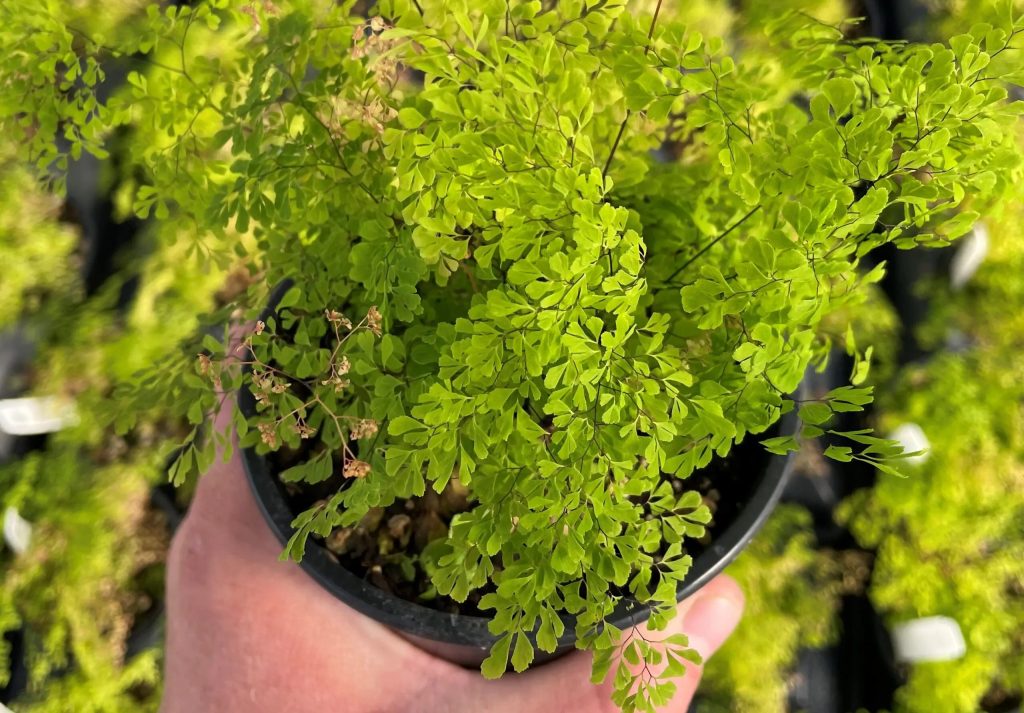
For example, in my apartment, the morning sun filters through a frosted glass window and creates these dappled patterns—that’s the exact kind of environment where my Maidenhair fern thrives visibly healthier and more vibrant than in a room with steady, flat light all day.
A trick I’ve learned: if you have brisk sun moments, use a sheer curtain not just for filtering but for breaking up the light rhythm. The fern seems happier with that intermittent glow, almost like natural spotlighting.
Vertical Elements: Your Fern’s Best Friend
Architectural ferns love a solid vertical backdrop, but here’s the catch—texture matters wildly. Smooth, flat walls don’t give enough ‘face’ for the fern’s fronds to pop.
When I moved my Boston fern next to a vintage, weathered brick wall with all its nicks and grooves, the difference was dramatic. The fern’s soft, flowing fronds contrasted beautifully against the rough surface; it was like putting a delicate lace collar against leather.
If you don’t have bricks or textured walls, think creatively—maybe a wooden slatted screen or a tapestry with natural weaves. Even a dark-colored bookshelf filled with books and plants can serve as a layered backdrop that lets the fern’s intricate leaves visually “rest.”
[IMAGE: Boston fern against a textured brick wall, highlighting the contrast.]
Scale, Grouping, and Spacing: Crafting Visual Balance
One big mistake I see is overcrowding—giving the ferns zero breathing room turns their charm into chaos. When I started intentionally leaving space around a single large fern in my living room, it went from looking like a messy afterthought to being a showpiece that draws eyes and softens corners.
If you’re going to group ferns, odd numbers and varied heights are your secret weapons. For example, I once combined a tall, feathery Boston fern with a shorter, dense Maidenhair and a mid-sized Rabbit’s Foot fern near my home office window. The overlapping layers created depth and movement that made the spot feel alive but intentional.

Containers: The Silent Partners
Few realize how much pots contribute to the architectural feel. I gravitate toward minimalist, matte-finish ceramic pots in earthy tones because they sync with the natural vibe of ferns.
But sometimes, I’ll go bold with a rough, hand-thrown terracotta pot to add tactile contrast—especially when the backdrop is sleek and modern.
A quick tip: choose pots slightly heavier or wider at the base to support sprawling ferns better, avoiding the tip-over risk and helping the plant feel grounded visually.
[IMAGE: Comparison of a sleek ceramic pot vs. a textured terracotta pot with ferns.]
Troubleshooting: Real Talk
- Droopy Fronds? It’s not always underwatering. I’ve seen ferns wilt from too much direct sun or dry air, especially in heated indoor spaces during winter. Raise humidity levels with pebble trays or even a DIY indoor mister—trust me, they perk up overnight.
- Fern Looks Lost? Try lifting it slightly onto a plant stand or a stack of books so its form doesn’t merge into the floor. Elevation can add a whole new layer of presence.
- Background Too Plain? If your walls are glaringly blank, hang something textured or plant-friendly nearby—a macrame wall hanging, woven baskets, or a vertical moss panel can add the subtle visual stimulus that makes your fern feel part of a cohesive design.
A Personal Challenge for You
Spend a day watching your space’s sunlight patterns with a notebook or phone. Observe how natural light moves, fades, and intensifies. Then pick one architectural fern and test it in two or three spots where the light feels interesting, not just “okay.”
Don’t rush; watch how the fronds respond throughout the day and days that follow.
That’s the moment when placing ferns stops being a chore and becomes a tiny daily act of discovery—a dance between plant and space.

Final Thoughts
Ultimately, ferns honor spaces that respect their shape and light rhythms. When placed with intention—using vertical textured backdrops, mindful light, balanced grouping, and thoughtfully chosen containers—they turn from green fillers into graceful architectural statements.
And here’s the thing: the more you connect with their subtle needs, the more your space gains this quiet, living elegance that guests can’t help but notice.
Your fern’s story is part plant biology, part design intuition, and a little bit of unexpected magic. Give yourself permission to experiment—the results might just surprise you.