There’s something quietly magical about making art from the very green pulse of life itself—chlorophyll. When I first tried rubbing leaves onto paper, I didn’t expect to fall into a rhythm that felt less like crafting and more like a gentle conversation with nature. The way that rich, earthy green seeps onto paper isn’t just pigment; it’s a little secret the plant shares with you.
What’s wild—and what most folks don’t realize—is how much the type of leaf transforms the outcome. I remember one afternoon gathering kale leaves from my backyard garden (because they’re thick and juicy), and the prints came out with this velvety, almost painted texture.
Then, just a few days later, I grabbed mint leaves from a friend’s windowsill—they’re thinner and more delicate, so instead of bold green shapes, I got these light, almost ghostly imprints that seem to shimmer on the paper. It’s like every leaf carries its own character, and your artwork is only as alive as the plant you pick.
If you’re game to give chlorophyll art a try, here’s the way I like to approach it—not just as a craft, but as a mindful experience mixed with a bit of experimental play.
Materials That Really Make a Difference
- Leaves: Go beyond just spinach or kale—look around for leaves that catch your eye for their shape, texture, or color. Try leaves from your neighborhood walk, herbs from your kitchen, even weeds (dandelions can be surprisingly good!). Younger leaves generally have more chlorophyll, but don’t discount slightly older ones—I’ve found they can produce subtly variegated tones.
- Paper: Heavy, textured watercolor paper is a game changer. I learned this the hard way—the first few attempts on standard printer paper were disappointing because the pigment just didn’t want to stick. Thick, absorbent watercolor paper soaks up that green with warmth and depth.
- Tools for Rubbing: Forget expensive art tools—use whatever you have. I’ve used a spoon, a coin, even the bottom of a glass. The key is firm, consistent pressure to break open the leaf cells without tearing the paper.
Getting Your Hands Dirty: The Ritual of Leaf Rubbing
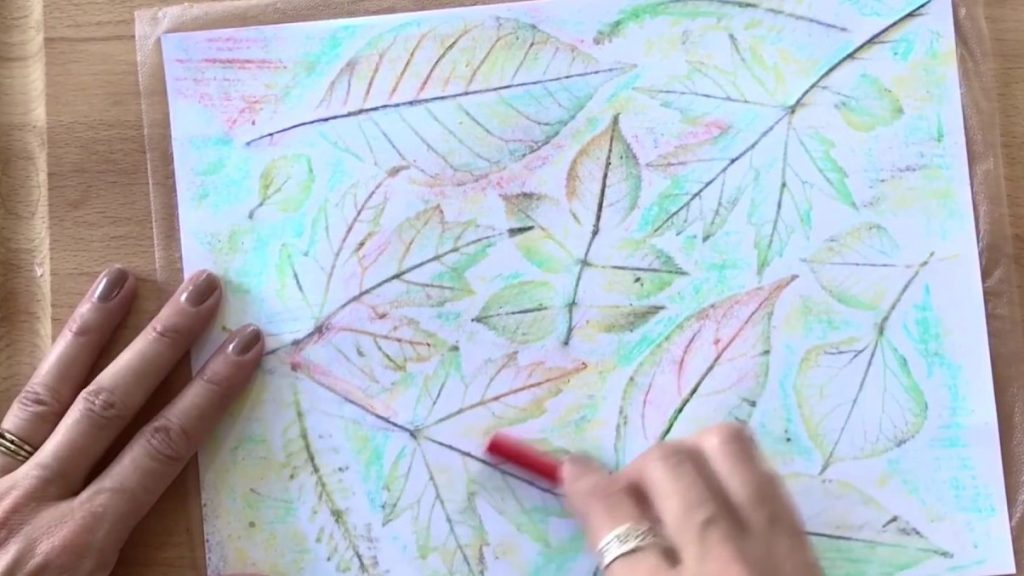
Start by laying your leaf face down on the paper. Here’s where mindfulness kicks in—while pressing firmly in circular motions, pay attention to how the leaf’s veins map under your fingertips. You’re not just transferring pigment; you’re tracing the plant’s history, its lines and limbs.
If the pigment looks too faint, don’t immediately toss it aside—try layering! Place a second leaf on top, or rub the same spot after repositioning the leaf just a bit. I often get beautiful, layered textures this way, almost like a natural ombre of greens.
More Than Just an Outline: Playing with Patterns and Mixed Media
Chlorophyll art doesn’t have to be only prints. One of my favorite projects involved cutting leaf shapes and using them as stencils. For this, choose leaves with strong, distinct veins so the negative space creates delicate lace-like designs when rubbed around.
For a personal twist, I’ve combined these prints with watercolor backgrounds—lay down a wash of blues or purples first, then do leaf rubbings on top. The contrast feels alive, like a woodland spirit framed in color. Sometimes I add fine ink lines to mimic or exaggerate veins, turning the natural print into a hybrid between botany and illustration.
The Realities (and Rewards) of Working with Chlorophyll
A heads-up from personal experience: the green fades. It’s part of the process, not a failure. Chlorophyll is light-sensitive and slowly breaks down, so don’t expect these prints to last forever like acrylics in a frame. The fading has a life cycle—it’s like your art breathes, grows dim, and ages with the seasons. For preservation, framing behind UV-protective glass helped me extend vibrancy, but I’ve also grown to appreciate the transient nature of the medium itself.
If you’re worried about leaves tearing or sticking, try this: place a clean sheet of wax paper over your leaf before rubbing. It acts like a buffer and smooths the pressure, especially if your leaves are fragile. Also, avoid rubbing too aggressively; slow and steady pressure is your friend.
Why I Keep Coming Back to Chlorophyll Art
It’s not about perfect prints or photo-realistic depictions—it’s about slowing down, tuning into the subtle life occurring in a simple leaf. It’s a gateway into seeing everyday plants not just as scenery, but as collaborators. Every print has a fingerprint of nature’s living architecture, imperfect but uniquely beautiful.
Plus, there’s something wonderfully grounding about mixing life and art this way. You’re not just painting with green; you’re painting with life’s essence. If you want to take it further, I’ve experimented with extracting liquid chlorophyll and using it as ink—though that requires a little more chemistry and patience, it opens a whole new world of botanical art. You can learn more about the science of chlorophyll from this explainer from the National Geographic Society.
Your First Steps: Make It Personal
Next time you’re outside or by a plant-filled window, gather 5–10 leaves of different shapes and sizes. Grab your watercolor paper, find a quiet spot with a hard surface, and just start rubbing. Don’t aim for perfection—let the process surprise you. Snap pictures of your discoveries; I guarantee some will be charmingly imperfect, whispering the story of that moment.
Try layering, stenciling, or even dip your leaf in water before rubbing for a different effect. Share your favorite prints with friends or use them to make bookmarks, personal stationery, or small gifts that carry a pinch of the living world.
In many ways, chlorophyll art taught me that art is alive—and sometimes, all it takes to remind us is a leaf pressed softly onto paper, leaving a vibrant, fleeting echo of green.