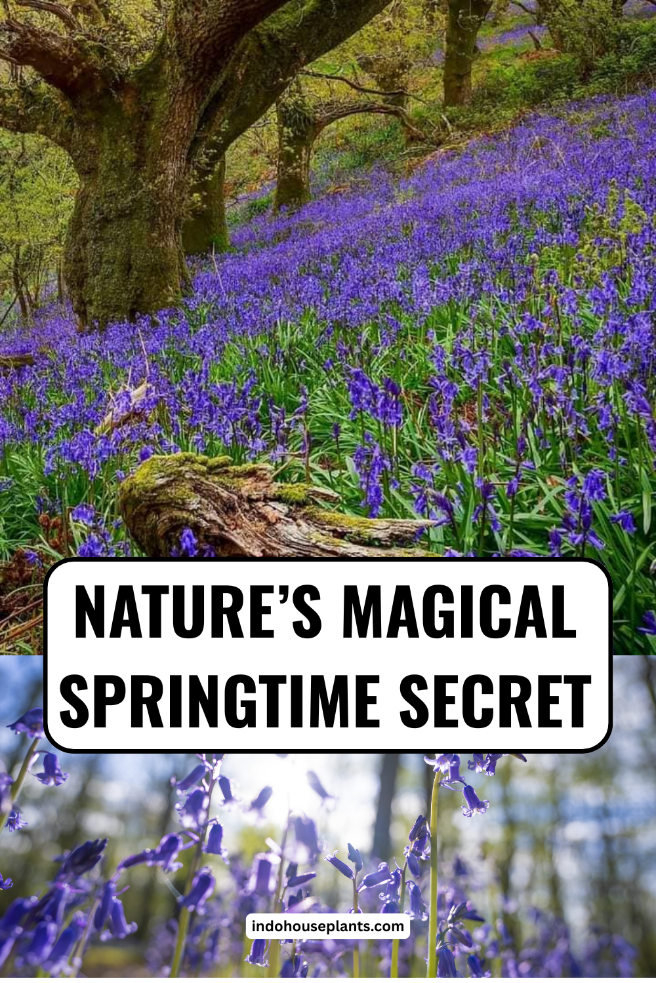
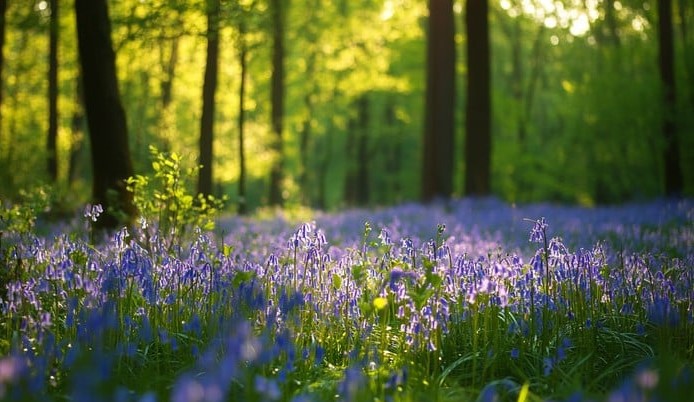
There’s something quietly magical about stepping into a woodland carpeted with bluebells in full bloom—a fleeting, delicate spectacle that feels like nature’s whispered secret. I still remember the first time I stumbled upon a bluebell woodland during a spring hike just outside my hometown.
The rush of soft blue stretching beneath towering oaks and beeches was like walking into a dreamscape, where the world’s clamor softened and everything seemed to breathe in unison with those tiny bell-shaped flowers.
Why Bluebells Thrive in Ancient Woodlands
Bluebells, it turns out, thrive in exactly these kinds of woodlands—ancient, deciduous forests where spring sunlight floods the forest floor before the trees leaf out. The soil is moist but drains well, creating perfect conditions for bluebells to carpet the ground with their gentle violet-blue hues.
These woodlands aren’t just beautiful; they’re living history, often lasting hundreds or even thousands of years with minimal disturbance. In fact, spotting a dense bluebell patch is one of the best clues that you’re in an ancient woodland—a sanctuary for all kinds of wildlife that’s been quietly evolving for centuries.
Where to Find the Most Stunning Bluebell Displays
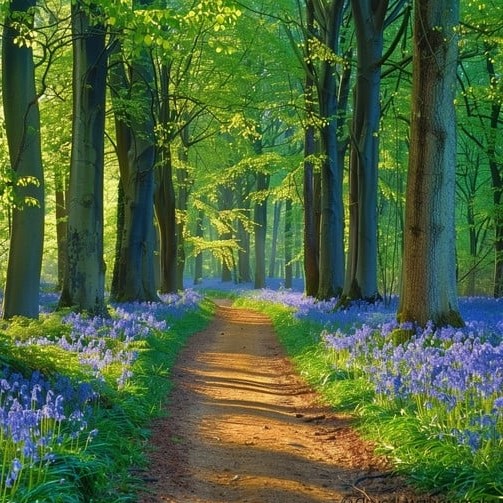
If you’re curious where to witness this wonder, places like the Hallerbos in Belgium have rightly earned the nickname “Blue Forest,” where the bluebells transform the woods into a shimmering fairy tale every spring.
Back home in the UK, sites like Ashridge Estate in Hertfordshire offer sprawling expanses where bluebells weave through the trees, mixing with the emerging green and the pungent scent of wild garlic. Even closer to the city, Epping Forest near London brings this enchantment within easy reach, offering a quick escape to nature’s spellbinding side when life feels too fast.
The Hidden Ecological Importance of Bluebells
But here’s what most people don’t realize: bluebells aren’t just pretty flowers; they’re ecological indicators. Their presence hints at a long, uninterrupted woodland history, supporting a complex ecosystem—from tiny insects to birds and mammals that rely on these ancient habitats.
Walking through a bluebell carpet, you’re witnessing a living timeline, a natural museum of centuries-old woodland life.
When to Visit for Peak Blooms
The timing to catch these blooms at their peak is tricky; bluebell season is fleeting, usually just a few weeks from mid-April to mid-May. From my own experience, I’ve learned the hard way that showing up too early or too late means missing out on the true magic.
Monitoring local wildflower reports or connecting with ranger services can make all the difference. The moment you see a few bluebells unfurl, that’s your signal to plan a visit right away.
How to Enjoy Bluebell Woodlands Responsibly
There’s also an etiquette that’s easy to overlook but vital for protecting these fragile carpets. Bluebells are often protected by law because trampling or picking them damages the plants and disrupts the woodland floor.
The last thing you want is to contribute to their decline—stick to established paths and soak in the scene without disturbing it. I’ve witnessed firsthand the heartbreak of trampled bluebell patches, and it’s a powerful reminder to tread lightly and leave no trace.
Making the Most of Your Visit
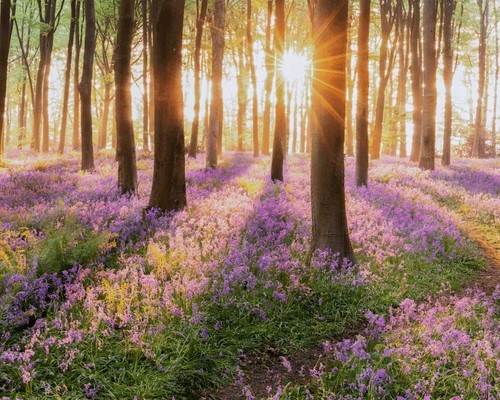
If you’re wondering how to make the visit truly memorable, here’s a little insider trick: don’t just walk through hurriedly. Instead, find a quiet nook within the bluebell woodland to sit and breathe it all in—the floral scent mingling with the earthy aroma of leaf litter, the gentle hum of early-spring insects, the play of dappled light through the canopy.
Bring a notebook or camera, but also allow yourself moments of pure presence without the lens—those are the moments that linger.
Discovering Hidden Bluebell Gems Near You
For those who can’t travel far, don’t underestimate your local woods. Many regional parks and nature reserves hold their own bluebell wonders—sometimes quietly tucked away, yet equally enchanting.
Accessibility varies, so it’s worth checking trail conditions if you have mobility concerns. I’ve been amazed at how even small pockets of bluebells in urban-adjacent woodlands can offer a refreshing nature reset.
Beyond Bluebells: A Richer Spring Experience
Beyond the visual feast, consider blending your bluebell adventure with other spring delights—listen for the early bird songs, keep an eye out for wild garlic and primroses, or tune into the subtle signs of new life all around. It makes the experience richer, weaving together the many threads of spring’s awakening.
Make It an Annual Tradition
My best advice? Mark mid-April to mid-May on your calendar as your annual “bluebell window.” Treat it like a personal spring pilgrimage, a pause to reconnect with the earth’s rhythms. Whether you travel miles or just walk to your nearest patch, bluebell woodlands remind us that nature’s quiet treasures are worth seeking out.
Ready to Explore? Start Here
If you want to dive in right now, start by searching for “bluebell woodlands near me” or check local woodland trusts and parks for spring updates. Planning in advance is worth it—wear comfy shoes, take a snack, and maybe join a guided walk if you can.
Hearing the stories of the woodland from someone who knows it brings a whole new depth. For more inspiration, visit the Woodland Trust’s Bluebell Guide.
A Lasting Memory of Nature’s Magic
In a world that often feels rushed and cluttered, bluebell woodlands offer a rare sort of calm, a fleeting embrace of timeless beauty. Once you’ve walked among those bell-shaped blooms, you’ll carry a piece of that magic with you—quiet, humble, and deeply alive.
It’s one of those gifts nature gives to those who stop to look closely, and trust me, it’s a gift worth the wait.