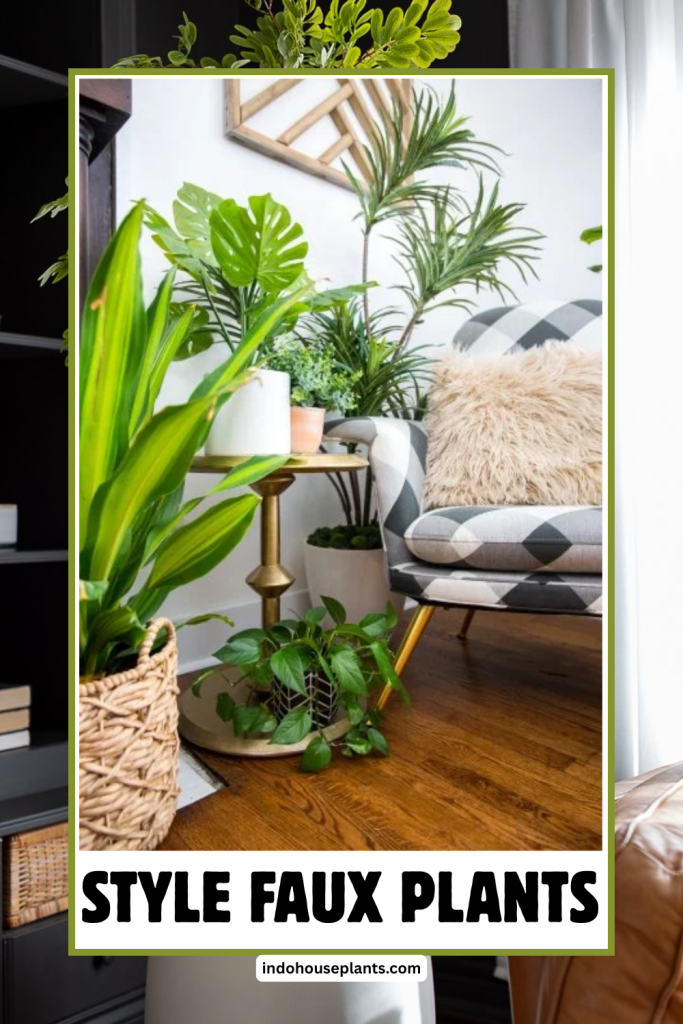
When I first started styling artificial plants, I was skeptical. Could these plastic leaves really breathe life into my space, or would they just scream “I gave up on real plants”? Over time, I learned a few tricks that turned my faux collection into a surprisingly convincing greenery display. Here’s the inside scoop you won’t hear from a typical styling guide.
Think Like Nature — But Have Fun With It
Real plants don’t line up in neat rows or behave like showroom props. They grow messy, uneven, and often a little wild. Embracing that disorder is the secret sauce.
For instance, when I placed a tall faux fiddle leaf fig next to shorter succulents, instead of setting everything perfectly straight, I tilted one succulent just a hair forward and let a trailing ivy drape casually off a shelf. It looked so natural, friends assumed it was real.
Play with Heights and Layers to Create Life
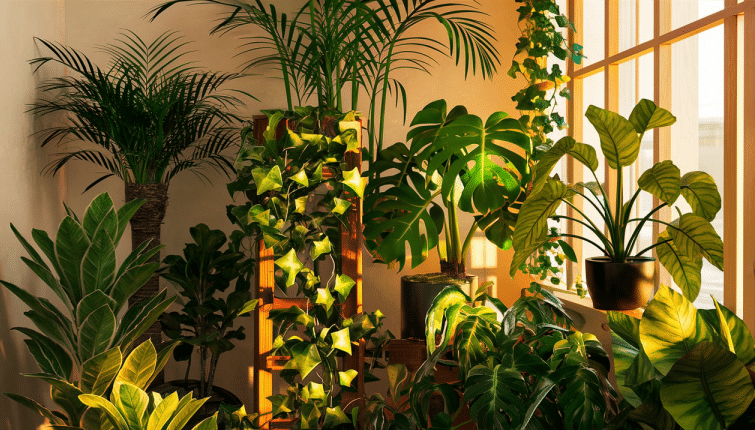
The mistake I made at first was clustering plants all the same size—like a regiment of tiny soldiers. What really changed the vibe was introducing height gradation.
- Tall statement pieces like faux snake plants become anchors in corners.
- Medium plants like rubber trees fill the middle ground.
- Tiny ones (think an echeveria or small trailing pothos) soften edges.
For example, I once revamped an awkward living room corner with just three plants but varied their heights dramatically. The tall fiddle leaf fig gave presence, a medium peace lily filled the mid-scene, and a small trailing string of pearls spilled over the edge of a woven basket. The layers created depth and made the whole corner feel vibrant rather than staged.
Texture and Leaf Shape: The Underrated Game Changers
Here’s what most people don’t realize: the diversity in leaf shapes and textures is what tricks your eye. Glossy, broad leaves next to thin, spiky ones create tension and interest. If everything had the same shape and sheen, it screams fake.
Variegation is another secret weapon—artificial plants with subtle color gradients or a splash of purple on leaves add realism. I once found a faux calathea with pink undersides to balance a green fern—it felt like my own little rainforest corner.
Pots Matter More Than You Think
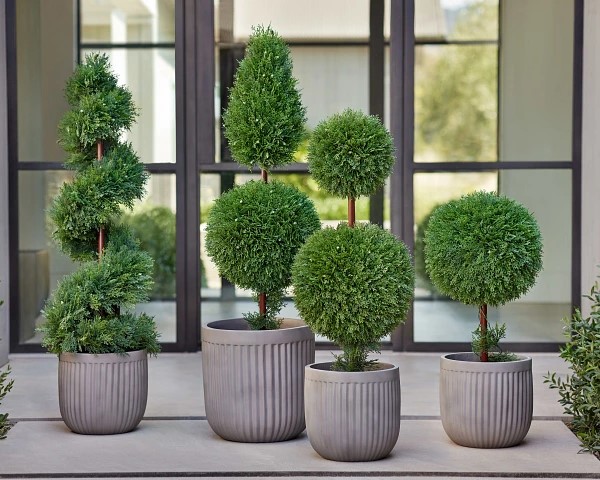
I learned the hard way that a cheap, generic pot can drag the whole look down, no matter how perfect the plant. Your containers are like the frame of a painting—they enhance without overshadowing.
A mismatched-but-cohesive grouping of pots brings personality and authenticity. For example, pairing a matte ceramic pot with a handwoven basket and a rustic terracotta prevents the dreaded “catalog shoot” look. When I started mixing pots with different materials but complementary earth tones, I noticed the arrangement suddenly felt curated, not canned.
Add Ground Cover Details—It’s All in the Base
Stuffing moss or polished stones around the base of each plant goes a long way. This extra detail hides the plastic stems and adds texture that your eye associates with healthy soil.
Once, I layered a few smooth river stones around a faux rubber plant, and it gave the whole setup a zen, grounded energy—as if the plant had been there for years.
Real-Life Styling Scenarios That Worked
- Entryway Glow-Up: A large artificial palm in a woven basket instantly brightened the corner by the door. Adding a medium-sized fern on a reclaimed wooden tray beside it, with a colorful prayer plant, made for an inviting, layered welcome spot. The secret? I shifted the palm slightly off-center, so it looked like it grew naturally there.
- Bathroom Shelf Refresh: Three small succulent pots—an aloe, echeveria, and string of pearls—lined up with tiny pebbles sprinkled around. My best tip: Occasionally dust faux plants with a dry paintbrush to avoid that stiff, dusty plastic look.
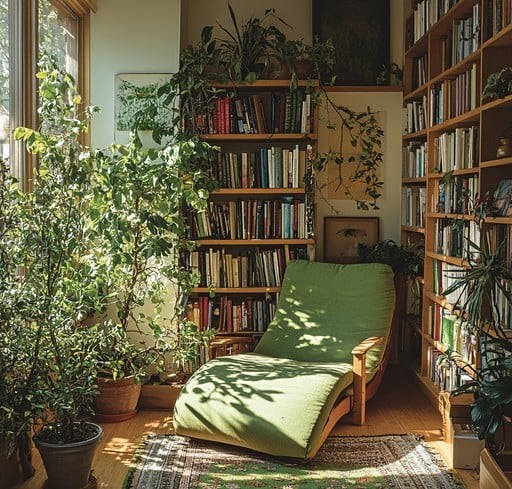
- Cozy Reading Nook: A tall snake plant behind a settee, a medium rubber plant on a side table, and a trailing pothos on a floating shelf up above created an enveloping green cocoon. Changing the angle of the snake plant to face the viewer slightly added a casual vibe that’s hard to replicate with straight-on placement.
Troubleshooting What Feels Off
If your plants look too staged or artificial, try these quick fixes:
- Break the symmetry by angling plants slightly instead of all perfectly upright.
- Fluff the leaves gently to avoid rigid, plastic shapes. I sometimes separate leaves with my fingers to introduce subtle movement.
- Avoid matching every pot perfectly—vary textures but keep colors aligned.
- For small spaces, choose petite plants like miniature ferns or low-profile palms rather than forcing oversized options.
Why Artificial Doesn’t Have to Mean “Plastic”
Styling faux plants isn’t about pretending they’re real; it’s about creating a vibe. When I stopped obsessing over fooling anyone and started focusing on how these plants made my space feel—cozy, fresh, personal—the results exploded. My house suddenly felt alive, even when I’m terrible at keeping real plants alive.
Your Action Plan for Getting Started
- Grab 3–5 faux plants with different heights and leaf shapes.
- Pick pots made of various materials but sharing a similar color story.
- Arrange tallest at the back or corner, medium in the middle, shortest/trailers where they’ll soften edges.
- Add stones, moss, or bark pieces around the base.
- Step back, tilt a pot here, fluff a leaf there, and don’t stress about perfection.
It’s all about experimentation. The more I play with arranging and re-arranging, the better my eye gets. No two arrangements have to be identical or “Instagram-perfect” to feel right. Embrace the quirks, and watch your space bloom without a drop of water.
So go on—grab those faux greens, give them a little personality, and enjoy watching your rooms come alive in a totally new way.