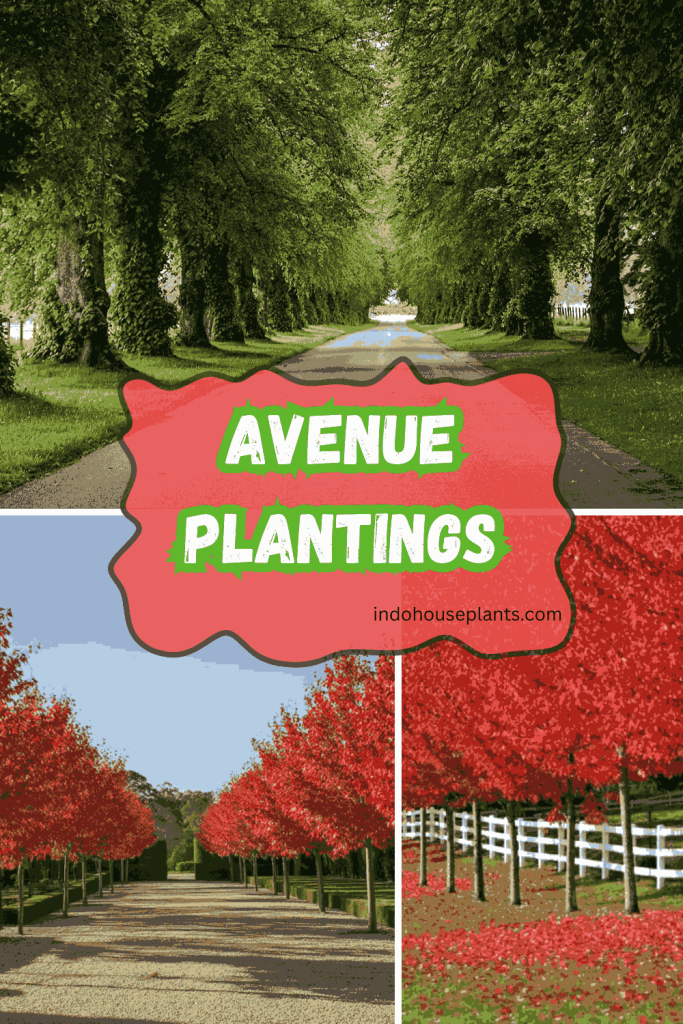
Avenue Plantings: Turning Streets into Living Galleries
Avenue plantings have a way of turning ordinary streets and paths into living galleries—places where nature choreographs a rhythm that feels both timeless and inviting. I remember walking down a tree-lined boulevard in my hometown as a kid, the dappled sunlight sneaking through the leaves, the air cooler even in the heat of summer. It wasn’t just pretty; it was an experience that made you slow down and appreciate your surroundings. That’s the magic of avenue plantings.
What Avenue Plantings Really Are (Beyond the Definition)
At their core, avenue plantings are deliberate rows of trees or shrubs lining streets, drives, or walkways. But here’s what most people don’t realize: these are more than just decorative features. They’re functional ecosystems that shape how we interact with our urban or rural environments.
They can guide the eye, soften harsh infrastructure, and even influence microclimates. I’ve seen how a carefully selected series of rowan trees can literally transform a blustery street into a sheltered, walkable space.
More Than Just Pretty Rows: Why Avenue Plantings Stay Relevant
- Aesthetic Harmony + Nostalgia: There’s an emotional weight to certain types of avenue trees. Think of those grand London plane trees lining well-worn avenues or the ginkgo trees along a Kyoto street projecting golden canopies in autumn. They don’t just beautify; they create identity and tradition—a living heritage.
- Microclimate Moderation: The shade from an avenue of trees can drop temperatures by several degrees. I observed this firsthand during a hot summer when the arid heat in my neighborhood felt significantly tamed where a local civic group planted a row of American elms. Walking under those trees was like stepping into an oasis.
- Wildlife Corridors Hidden in Plain Sight: Underappreciated but vital, these green corridors give birds and beneficial insects a highway through urban spaces. In my city, hummingbirds often dart through street trees planted along a former industrial road converted to a bike path, turning an otherwise sterile space into a buzzing ecosystem.

Picking the Perfect Trees: What Experience Has Taught Me
I once spent a summer working with a team planting a new avenue along a suburban street and learned the hard way that not all trees are created equal for these roles. Choices require more than just what looks good.
- Local Climate Is Your North Star. For instance, planting silver maples in a drought-prone area might look great early on, but you’ll face constant replacement costs when they don’t survive the summer. Instead, hardy oaks or drought-tolerant honey locusts proved far more resilient.
- Consider Growth Patterns & Future Problems: I’ve seen majestic poplars end up tearing up sidewalks within 10 years because their roots spread wide and shallow. Now, I always recommend trees with less invasive root habits, like lindens or certain ornamental pears.
- Maintenance Realities: If you’re a homeowner, ask yourself—how much time can you realistically commit to cleanup? Remember the ornamental cherries? Beautiful, yes, but their petals and small fruits meant months of sweeping. Sometimes, less showy species save you a lot of hassle.
- Go for Character: A planting can be a bland forest or a corridor bursting with personality. I’m partial to trees that shift with seasons—those fiery maples in autumn, snowy magnolia blooms in spring—because they give the street a living narrative.
How to Layout Your Avenue Like a Pro (Even if You’re a Newbie)
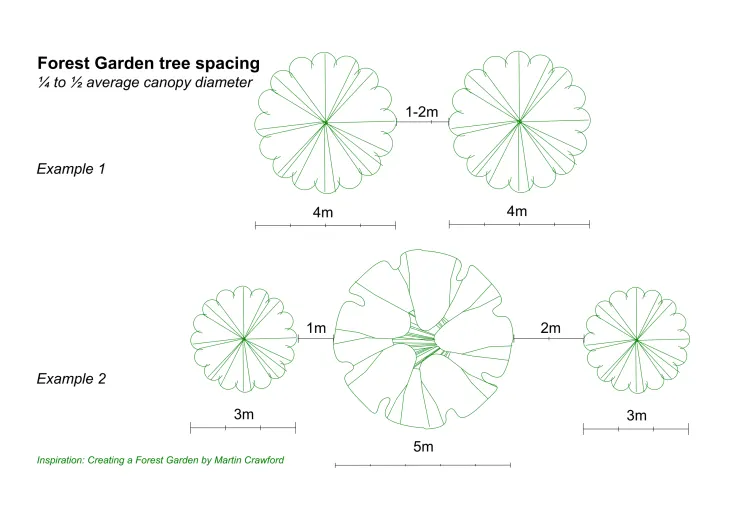
Spacing is a subtle science. Too close, and trees fight for resources, roots tangle, and canopies clog. Too far apart, and you lose the immersive effect.
- For municipal street plantings, 20–30 feet apart hits the sweet spot for medium trees. But here’s a tip from a project I worked on: mix tree sizes for a staggered, layered look—maybe bigger trees every 30 feet with smaller understory trees or shrubs in between to fill seasonal gaps.
- Always leave clearance for overhead wires, sidewalks, and traffic sightlines. Don’t underestimate how frustrating it gets when mature trees start blocking street lights or visibility at intersections.
- I once helped a community group plan an avenue that incorporated existing underground utilities. Instead of a straight line, we created gentle curves to avoid root conflicts—this made the planting dynamic and functional.
Care That Goes Beyond the Basics
No one tells you how critical those first few years are. I’ve seen young street trees struggle because watering dried up after the planting excitement faded. Keeping a watering schedule—especially during the first 2–3 years—can be the difference between a thriving avenue and a sad roadside arbor.
- Mulching is your secret weapon. When I coached a neighborhood planting, we used organic mulch generously around trees, which cut down on weeds and kept moisture in during a glaringly dry summer.
- Prune not just to keep clearance, but also to encourage strong structure. One winter, a big storm snapped poorly pruned limbs from our local linden avenue. Those trees that were regularly thinned bounced back faster.
- Pest vigilance can’t be an afterthought. I’ve learned to watch for signs early—discolored leaves, unusual bark patterns—and consult local arborists before infestations spiral out of control.
Real-Life Inspiration: Living Anecdotes from Around the World
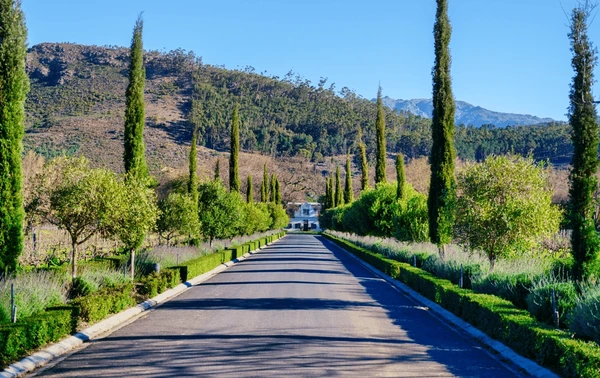
I once spent a month cycling through Italy and was struck by the iconic cypress-lined driveways leading to villas—tall, slender trees creating a dramatic, almost cinematic entry.
Back home, a friend’s neighborhood slowly transformed a desolate block into a vibrant promenade by planting a mix of crepe myrtles and dogwoods, creating year-round interest with minimal fuss.
Closer to my city, an initiative to plant native willows along a rainy urban walkway not only made the path pleasant but helped manage seasonal flooding. It showed me avenue plantings can merge beauty, function, and ecology seamlessly.
Navigating Challenges No One Mentions Upfront
- Space Constraints: Think small and smart. Narrow urban sidewalks might benefit from columnar trees like hornbeams or even multi-stemmed shrubs that don’t overwhelm but still contribute greenery.
- Budgeting for the Long Haul: Instead of buying dozens of small saplings, invest in fewer but well-grown young trees that can establish quicker and require less replacement.
- Regulatory Red Tape: Don’t plant blindly. A friend once planted a row of ornamental pears without local permits and had to remove half within two years to comply with municipal street tree regulations. Always double-check local codes.
The Best Advice for Anyone Starting Out
Start small. I still recommend planting just a few trees in a stretch you can manage well—maybe your own front sidewalk or a driveway edge—and watch them grow. This hands-on experience teaches you far more than any book or guide.
Use your avenue to tell a story—of your neighborhood, your climate, or your personality. It can be a celebration of native species, a tribute to seasons, or purely a quest for shade and serenity.
When I planted my first row, I wasn’t just aiming for shade; I wanted a living legacy for the kids to enjoy decades from now. It’s a simple project with deeply rewarding payoffs.
[IMAGE: A family walking under a newly planted avenue of young trees]
Ready to dive in? Start by walking your chosen route, measuring the width and length, and imagine the trees standing tall there in 5, 10, even 20 years. Talk to local nurseries—they often know which species perform best nearby. Prepare the soil like you’re giving the trees a strong first impression, and don’t rush the planting timeline—early spring or fall tends to win the greatest survival rates.
For more on selecting trees, check out the Arbor Day Foundation’s Tree Guide.