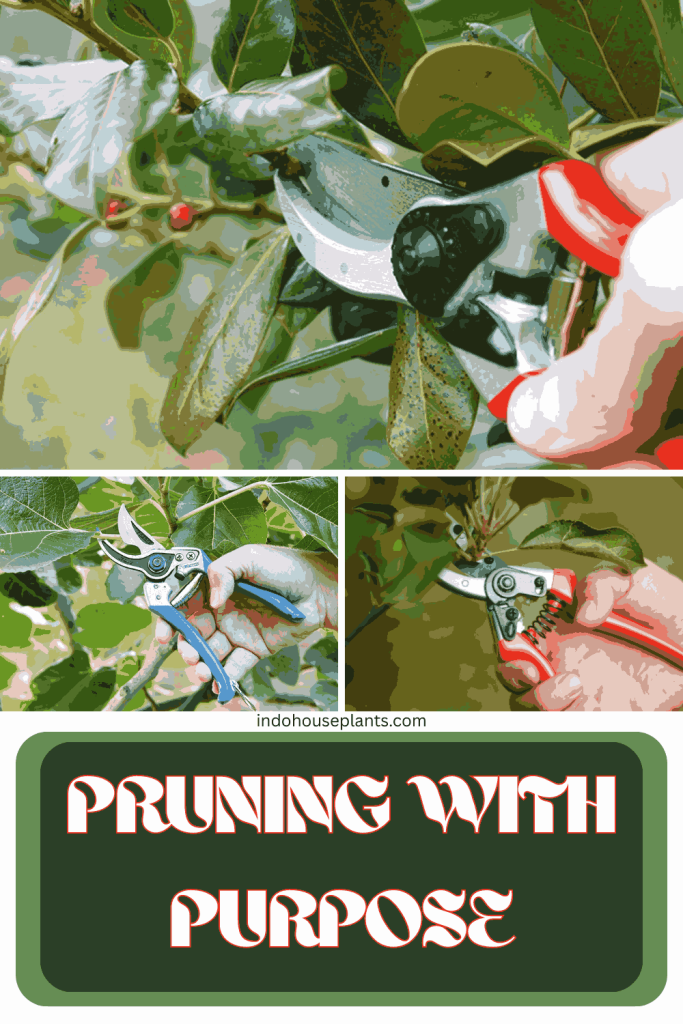
Pruning isn’t just snipping away branches—it’s a surprisingly personal conversation you have with each plant, where your hands guide it toward its best self. When I first started pruning, I remember staring at my overgrown rose bush, feeling both excited and a bit terrified of making the wrong cut and ruining months of growth.
But what I discovered is that aesthetic pruning is really about reading the plant’s story and gently helping it tell a clearer, more beautiful one.
Here’s what most people don’t realize: pruning isn’t about forcing a shape; it’s about revealing the shape that’s already there, waiting underneath tangled branches or crowded growth. Aesthetic pruning techniques serve as a toolkit for uncovering that natural form, making your plants healthier and more stunning with each cut.
The Heart of Aesthetic Pruning: Shape with Intention, Not Force
Each plant has its own personality and rhythm—pruning is your way of respecting that while nudging growth in favorable directions. I’ve learned that being patient and observant trumps aggressive trimming every time.
Instead of hacking away, I step back, circle around the plant, and imagine what a light touch could accomplish. This mindset shift came from accidentally over-pruning a lilac shrub once and watching it struggle to recover for an entire season—not fun, but a valuable lesson in restraint.
Here’s an insider tip: use the sun and the plant’s natural flow as your guide. Look for how sunlight filters through leaves and where the wind passes. Your pruning should open pathways for both, boosting health and encouraging vibrant growth without creating awkward gaps.
Core Techniques with a Personal Twist
1. Thinning Cuts: Breathing Space for Your Plant
This is where I really fall in love with the process—it’s like giving your plant a fresh haircut but without the stress of a drastic style change. When thinning, I focus on removing branches that block light or rub uncomfortably against others.
On a dense lilac bush, for example, thinning transformed a wild, congested mess into a graceful cloud of blossoms by the next season. The secret? Cut right at the branch base or main stem, never leaving stubs that invite rot.
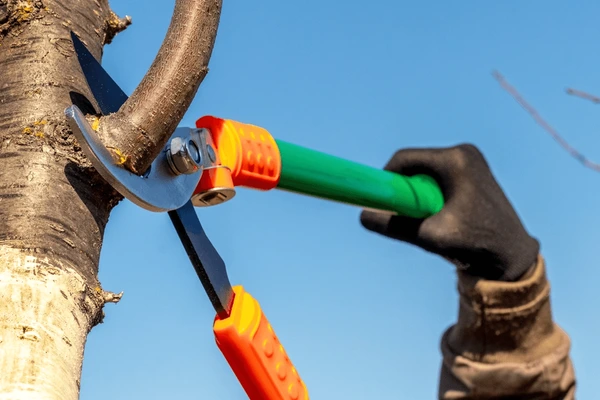
2. Heading Cuts: Training for Balance and Bushiness
Think of heading cuts as gentle coaching—encouraging branches to grow where you want them without shouting. When working on my climbing roses, I cut just above outward-facing buds, angled the scissors slightly like a hairstylist shaping a fringe, and watched those branches swell with new life.
It’s satisfying to see a better-balanced, compact shape emerge rather than wild, spindly growth.
3. Cleaning Cuts: Health Is Beauty
Nothing kills the vibe faster than dead or diseased wood lingering in a plant. At first, I underestimated this step until I learned how much diseases can spread if you don’t remove affected branches promptly.
Now, before any other pruning, I hunt down brown, brittle, or damaged stems and snip them cleanly. It’s like giving your plant a mini health check—often leading to surprisingly vigorous regrowth.
4. Shaping or Formative Pruning: Sculpting the Natural Flow
This is where artistic instinct and knowledge combine. When shaping a tree or shrub, I treat it like working with clay: careful, small movements that respect the original form.
For a young fruit tree in my yard, I aimed for a vase shape by selectively pruning crossing branches and encouraging outward growth, which not only looks beautiful but makes harvesting easier later on. It’s a dance of patience and respect.
Real-World Examples: What Worked in My Garden
- Rose Bush Revisited: I started by cutting out the dead canes first, which immediately lifted the mood of the plant. Removing thin, weak shoots from the center allowed air to circulate and reduced mildew issues. Then, I used heading cuts on remaining strong canes, targeting those outward-facing buds for better shape and fuller flowering.
- Hydrangea Magic: After watching a hydrangea bloom fade, I pruned old flowered branches right back to healthy buds, encouraging a fresh flush of blooms next year. Thinning out dense clumps by cutting thick shoots at ground level helped open the shrub dramatically and gave me a surprise bonus: fewer pests and more vibrant leaves.
- Young Fruit Tree TLC: Early summer, I tackled suckers—those pesky shoots sprouting from the rootstock—by snapping them off close to the base. Then I thinned out branches that threatened to tangle during windy days, observing how the tree’s natural form unfolded. Shortening long branches just above outward buds helped build a welcoming, airy canopy shaped like a soft vase that invites sunlight inside.
Navigating Common Pruning Fears — From One Gardener to Another
Cutting too much? I get it. I once froze halfway through pruning because I worried I was destroying a year’s growth. What helped was remembering that less is more and plants bounce back if you’re gentle. If you’re unsure, step away, come back with fresh eyes the next day, and continue slowly.
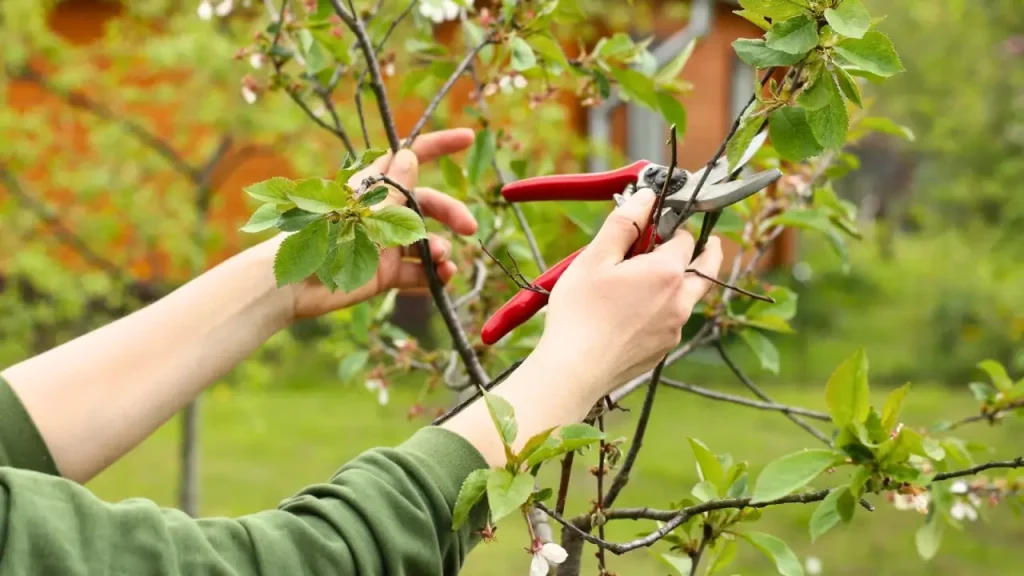
Unsure where to cut? The golden rule: cut just above an outward-facing bud, angled slightly away from it. This tiny angle directs water off the bud and encourages it to grow outward rather than inward—this subtle detail makes a huge difference but isn’t obvious unless someone points it out.
Tools causing anxiety? Dull blades crush plant tissues and invite diseases. I treat my pruning shears like jewelry—cleaned and sharpened regularly. If you’re pruning something diseased, wipe blades with disinfectant after every cut. It’s a small step with big impact on plant health. For a great guide on tool care, the Royal Horticultural Society has a useful resource.
Why Aesthetic Pruning Should Be Your New Garden Ritual
Pruning taught me to slow down and truly observe my plants. Every snip connects you to the seasonal rhythms and subtle changes in your garden’s life. It’s calming and rewarding, a creative act that brings immediate and long-term satisfaction as your plants respond with vigor and beauty.
If you think of pruning as a chore or a scary task, try shifting your mindset toward it as a collaboration. You’re not just cutting branches—you’re helping your plants thrive and express their unique charm.
A Simple Plan to Get Started Today
- Choose one manageable plant you love—my rose bush was a perfect first candidate.
- Gather sharp shears, gloves, and something to clean your tools.
- Start by removing all dead or damaged branches, then assess for crowded or crossing growth.
- Use thinning cuts first to open up the space, then shape by heading cuts to guide new growth.
- Pause often; stand back and view from different angles.
- Celebrate your progress and maybe snap before-and-after photos for personal motivation.
With practice, pruning will become less about fear and more about joy—the joy of watching your plants grow healthy, elegant, and tailored by your own hands. Trust me, you’ve got exactly what it takes to become the kind of gardener who not only cares but sculpts living beauty.