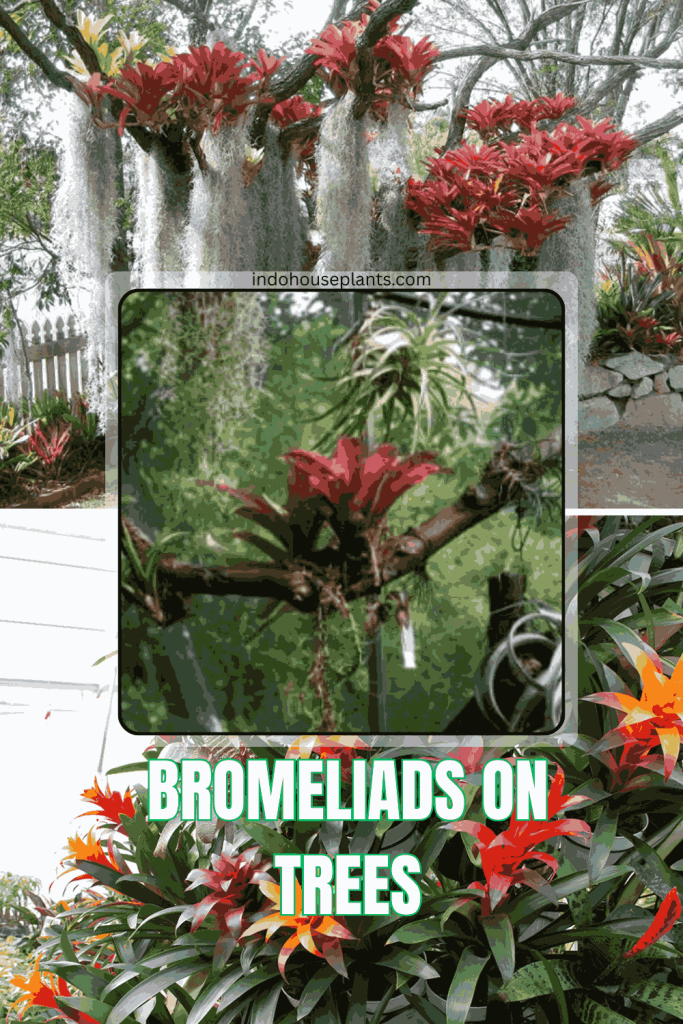
When I first discovered bromeliads, I was blown away by how unlike regular plants they are. Instead of digging roots into soil, they perch on trees like tiny, colorful sculptures—completely independent, yet intertwined with their host. Planting bromeliads on tree branches feels a bit like inviting an exotic guest to hang out in your backyard canopy, and from my experience, it’s one of the most rewarding ways to add life and personality to your landscape.
Why Bromeliads on Trees? Here’s What Most People Don’t Know
Bromeliads are classic epiphytes, meaning they grow on other plants instead of soil, but they don’t leech nutrients or harm the tree. Instead, they draw moisture and nutrients from the air, rain, and debris—kind of like nature’s own air plants but with more flair and foliage.
This means you don’t have to worry about invasive roots or damaging your tree’s health. Also, those central “cups” made by their spiraled leaves are perfect tiny reservoirs for water and nutrients, which is an amazing adaptation that most conventional gardeners overlook.
My Personal Playbook for Bromeliads on Trees
Over the years, I’ve experimented with anchoring bromeliads to all sorts of trees—from towering oaks in my backyard to slender maples in my city garden. What really made a difference wasn’t just the how-to, but tuning into the specific tree microclimate and the bromeliad’s personality.
1. Getting to Know Your Tree First
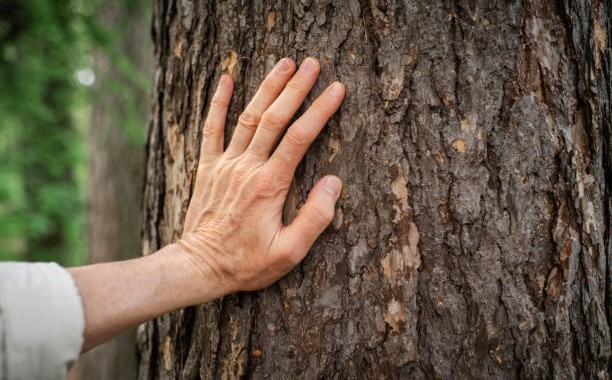
Not all trees welcome bromeliads with open branches. I always start by observing where the light filters through the canopy—bromeliads love bright, indirect light, something like the dappled shade beneath oaks or maples.
On one occasion, I tried attaching bromeliads to a pine tree that had very thick, rough bark and harsh direct sun. The plants struggled and faded quickly. Lesson learned: smooth bark and softer filtered light win every time.
2. Picking the Bromeliad That’s Ready to Go
You want a bromeliad with a strong, healthy central cup that can hold water well. When I shop, I look for vivid, firm leaves and avoid any plants with limp or drooping rosettes—that usually means the plant is stressed.
I once bought a couple of small Tillandsias (air plants) from a big-box store and they looked robust but couldn’t hold moisture well, leading to a slow decline. Now I prefer sourcing from specialty nurseries or local growers who know the plants well.
3. Location, Location, Location: Finding the Perfect Branch Spot
One of the trickiest parts is finding a branch fork or “crotch” that’s naturally snug. On my old oak in the backyard, I found this beautiful half-cradle formed by two branches that was ideal. I cleaned away the flaky bark and moss gently with my fingers so the bromeliad wouldn’t slide off, making it feel like a little nest.
If you’re doing this in a new area, try to find branches that offer some protection from wind and direct noon sun but aren’t so shaded the plant can’t photosynthesize.
4. Attaching Without Suffocating
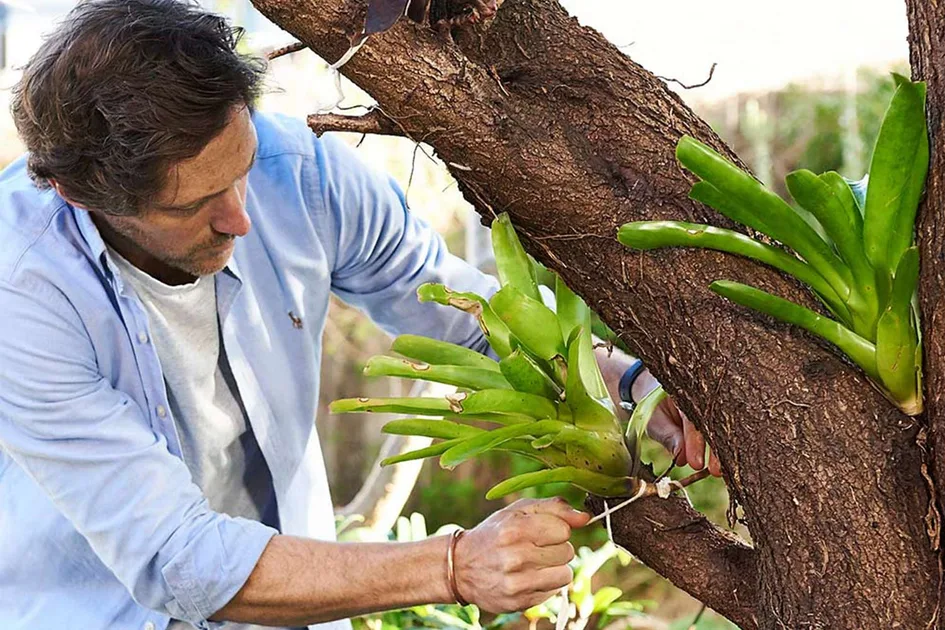
Tying bromeliads to trees might seem delicate—it’s like hanging a living painting. I’ve tried fishing line, soft cotton twine, and even strips of old pantyhose, and I’m a big fan of the latter. Pantyhose is silky, flexible, and breathable, so it holds the plant securely but doesn’t strangle it or scare the bark.
If you’re worried about the twine cutting in, wrap a little moss or bark underneath as a cushion. Over-tightening is a no-go because bromeliads need airflow around their base to prevent rot.
5. Water Like a Pro, Not a Pro Flunkie
Here’s a trick I discovered after a few failed attempts: don’t flood the bromeliad with tons of water. Instead, misting 2-3 times a week and pouring a small amount into the central cup is enough—even indoors, the plant benefits more from humidity and gentle hydration than from soaking.
I once drenched mine too much during a hot summer and ended up with rot. Now, if rain is frequent, I skip watering altogether and just observe. For more on their unique needs, the Bromeliad Society International is a fantastic resource.
6. Feeding: Keep It Light
Bromeliads are not hungry plants. Regularly feeding them fertilizer like you would with potted plants can be too much. From what I’ve gathered, a diluted spray-on fertilizer (quarter strength) once a month is perfect during their growing season.
Sometimes, I let the tree to do the feeding through natural leaf litter and dust, which bromeliads absorb effortlessly. Bonus: this natural ecosystem approach simplifies maintenance.
Real Life in My Own Backyard
I still remember the first time I mounted a vibrant Guzmania bromeliad to the thick branch of an old live oak. It was a bit nerve-wracking, wondering if it would survive the summer’s blazing sun and inconsistent watering.
Months later, not only did it thrive, but neighboring hummingbirds started visiting its bright flowers, making it a tiny wildlife magnet. Suddenly, what started as a quirky experiment became a living piece of art that enlivened my outdoor space.
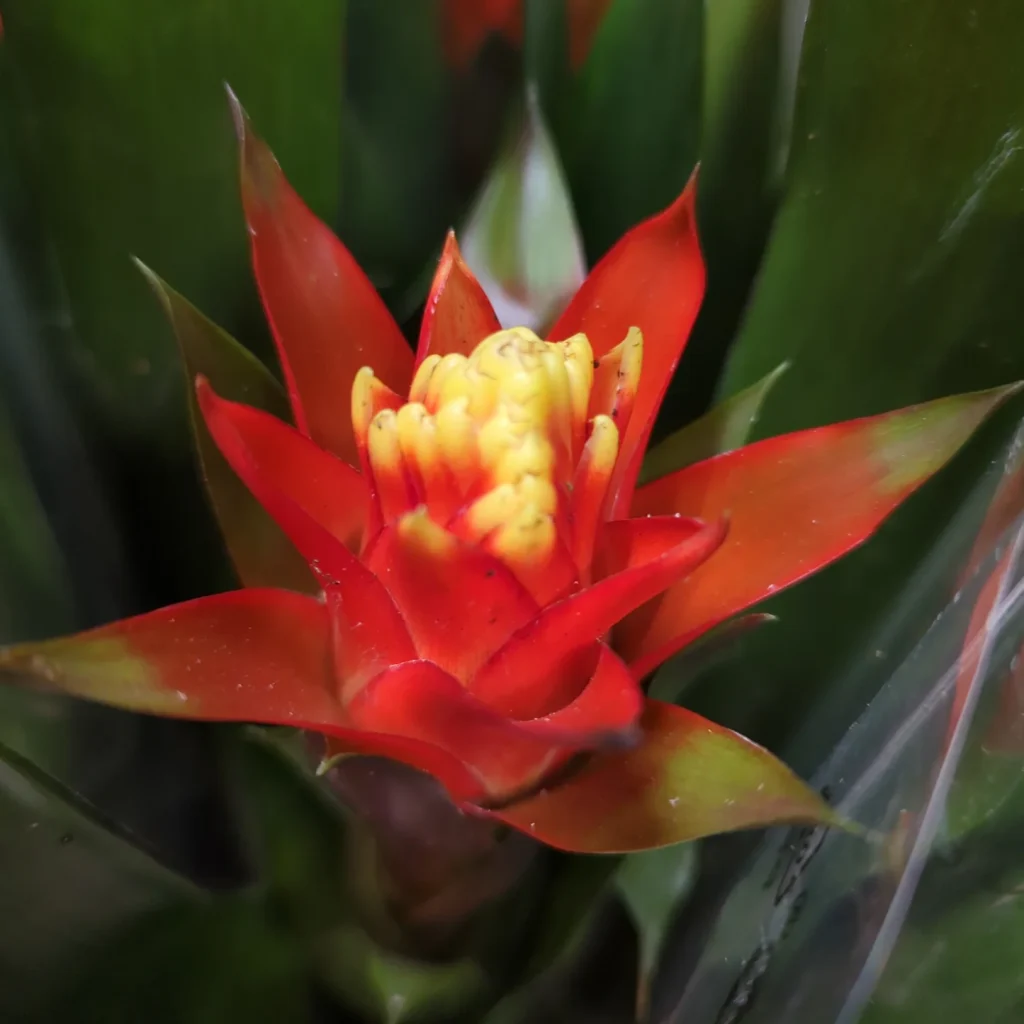
In tropical botanical gardens I’ve visited, bromeliads hanging from tree branches look like natural ornaments, effortlessly balancing between light and moisture. You can mimic this effect indoors by mounting bromeliads on cork bark or driftwood near bright windows. I did this in my city apartment, and it became a stunning focal point that sparks conversations.
Troubleshooting Like a Bromeliad Whisperer
- Will it hurt the tree? No. Bromeliads don’t dig roots into bark and don’t compete aggressively for nutrients—just be careful to tie gently.
- It keeps slipping off. Reassess the branch morphology. Smooth, round branches aren’t ideal. Look for cracks, forks, and textured bark.
- Leaves are burning or fading. Too much direct sun. Move it to a shadier spot or under denser foliage.
- Dry air everywhere? Increase misting frequency or set up a humidifier nearby, especially indoors.
- Fungus or rot setting in? Loosen ties and improve air circulation. Don’t overwater.
Why This Matters
Bromeliads planted on trees invite you to rethink gardening altogether—they’re a quiet lesson in resilience and creativity. Watching a bromeliad settle into its new home, developing roots that cling lightly but firmly, is a reminder that sometimes the most beautiful growth happens when you let go of traditional soil-bound ideas.
If you’re ready to take that leap, just remember: it’s about patience, observation, and gentle care. Your tree becomes a living gallery, and the bromeliads? They’re the living jewels that whisper the secrets of nature’s ingenuity.
Ready to try? Grab a bromeliad with a vibrant cup, locate a friendly tree branch with filtered sunlight, secure your plant with soft ties, and find joy in the slow but steady transformation. You’re not just planting a bromeliad—you’re partnering with nature’s most elegant epiphytes to build a mini-ecosystem that’s as unique as your backyard.