I know how heartbreaking it can be when you spot those gorgeous flowers popping open and then, seemingly overnight, they just fade away. Like a burst of color that’s here one day and gone the next. Over the years, I’ve learned that keeping blooms thriving isn’t magic — it’s a blend of paying close attention, timing your care just right, and a few tricks that go beyond the basics.
Here’s what most gardeners don’t realize until they’ve dug in: bloom time extension is as much about anticipating stress as it is about feeding and watering.
What’s Really Going on When Flowers Drop So Quickly?
I like to think of flowers as little warriors battling the elements. Heat stress, drought, and even too much sun make them fold up and retreat. Imagine running a marathon with a limited water supply—that’s what plants feel when they get hot and dry all day.
Their first survival move? Stop producing new flowers and preserve energy for their own survival, not beauty.
On the flip side, when they’re comfortable—stable moisture, cool-ish temps, and just the right light—they’ll happily keep producing flowers like clockwork.
What I’ve Learned for Longer Blooming Periods (Hint: The Routine Matters)
1. Morning Deep Soaks, Not Quick Sprinkles
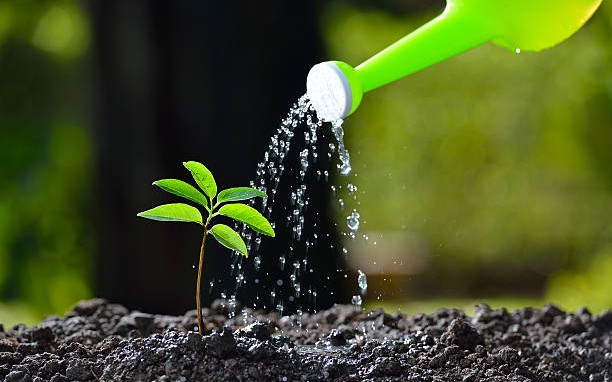
It’s tempting, especially on busy days, to just give plants a quick splash or mist. But flowers thrive when water reaches deep roots.
Early mornings are the best because the plants get soaked before the heat dries the soil, plus leaves have time to dry off, which lowers fungal risks. When I started doing deep watering rather than light surface sprays, I noticed petals stayed vibrant longer.
2. Shade Isn’t Just for Shade-Lovers
You might think all flowers want max sunlight, but harsh afternoon sun is a bloom killer. In my garden, setting up a simple shade cloth from 11 a.m. to 4 p.m. during summer was a game-changer.
Even partial dappled shade—like positioning pots under a tree’s canopy—gave flowers a second wind. For one of my morning glory vines, which normally closed by noon, this trick extended their display until almost sunset.
3. Become a Deadheading Detective
I make it a daily habit to walk around and prune off any flowers looking tired or spent. This small act sends a crystal-clear message to the plant: don’t waste energy on these old blooms, make new ones instead.
Using sharp garden scissors and cutting just above fresh leaves really helps avoid damaging stems.
4. Feed Like You Mean It — But Smartly
When I first started using fertilizer, I made the mistake of overdoing it or choosing the wrong type. It turns out, phosphorus is the secret sauce for flower power, supporting blooms more than nitrogen-heavy mixes.
Feeding every 2-3 weeks with a liquid fertilizer rich in phosphorus gave my marigolds a serious boost, keeping them vibrant far beyond their usual drop-off date.
5. Know Your Plant’s Personality
Not all flowers are equally tough. I learned the hard way that some favorites, like delicate begonias, just won’t keep blooming relentlessly under hot sun. But robust ones like zinnias or lantana not only hang tough but actually bloom longer when cared for.
Matching your flower choices to your climate cuts half your problems.
6. Mulch is Your Secret Weapon
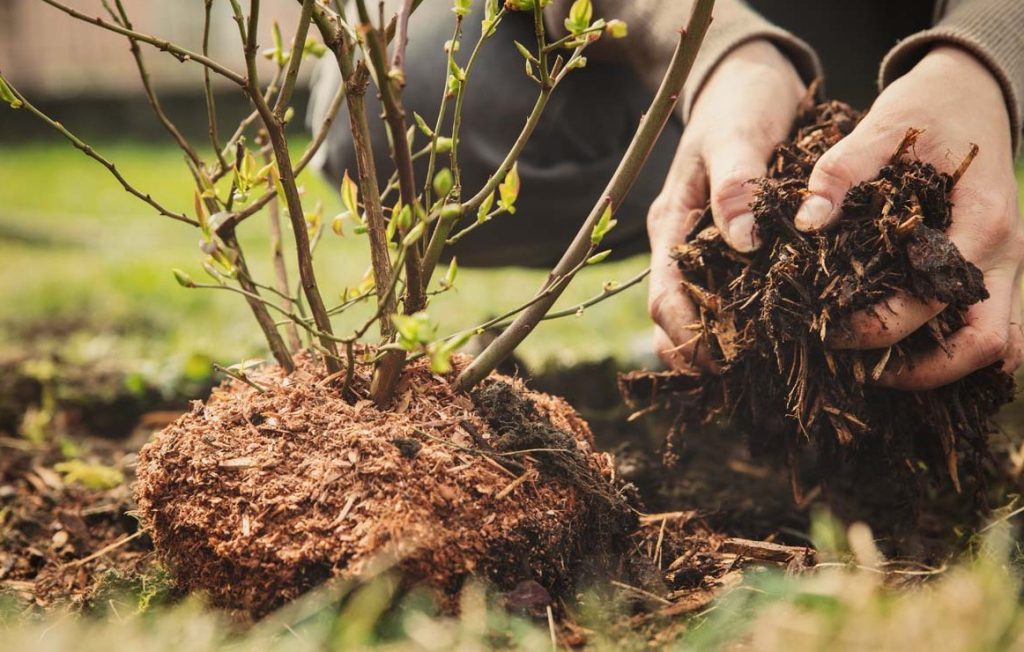
Applying a good 2-3 inch layer of mulch around your flowering plants keeps the soil cooler and locks moisture in. I prefer bark chips or straw because they decompose slowly and add nutrients over time.
Mulch also saved me from weeding marathons by suppressing unwanted plants that compete for the same water.
Stories From My Garden That Might Inspire You
- Geraniums on a Sunny Balcony
I used to lose geranium blooms after just a week of summer. Then I started throwing a lightweight shade cloth over the pots in the hottest afternoons and upped their phosphorus feeding. Suddenly, those flowers lasted an extra two weeks, brightening my balcony longer. - Cut Roses That Didn’t Wilt Overnight
Picking roses early in the morning changed everything. When I brought stems inside, I trimmed them underwater and used flower food in the vase water. The result? Roses lasting up to a week. It felt like I’d unlocked a secret.
What Most People Don’t Know About Extending Bloom Time
Here’s a little nugget: plants actually “choose” to invest in seeds over flowers when stressed. Deadheading isn’t just about aesthetics; it’s about interrupting this seed-making process to coax the plant back to flowering mode.
Also, don’t underestimate how much microclimate influences your garden. A couple of feet can mean the difference between scorched petals and blooming glory.
Quick Fixes When Things Go Wrong

- Yellow Leaves? Root rot from soggy soil is a big culprit. Check drainage and back off the watering if the soil is always wet.
- Still No New Blooms After Deadheading? Time to ramp up feeding and check for pests. Aphids, spider mites, or whiteflies can stress plants significantly.
- Flowers Fading Fast Despite Care? Try shifting pots or garden beds to less exposed areas or add shade during peak hours. For more on identifying common pests, the University of Minnesota Extension has a great resource.
Your Next Steps To Bloom Bliss
- Dive into deep watering every morning for your treasured flowers.
- Set up some DIY shade cloth — it’s surprisingly easy and cheap.
- Hone that deadheading habit; walk your garden daily if you can.
- Invest in a bloom-promoting fertilizer, check the label for phosphorus.
- Spread mulch thickly to keep moisture steady and weeds at bay.
These might seem simple, but from my own patch of land to friends’ gardens, these tweaks have consistently turned short-lived blossoms into weeks of color. Gardening is never a one-size-fits-all, but with some observation and gentle adjustments, your flowers will reward you with longer, happier blooms. Watching that transformation happen? It’s absolutely addicting.