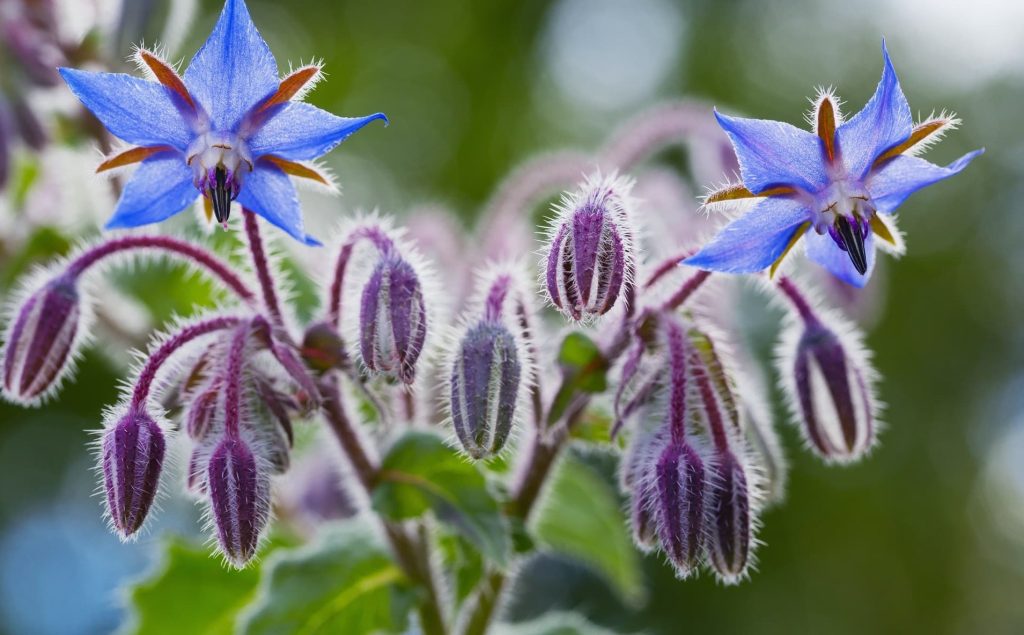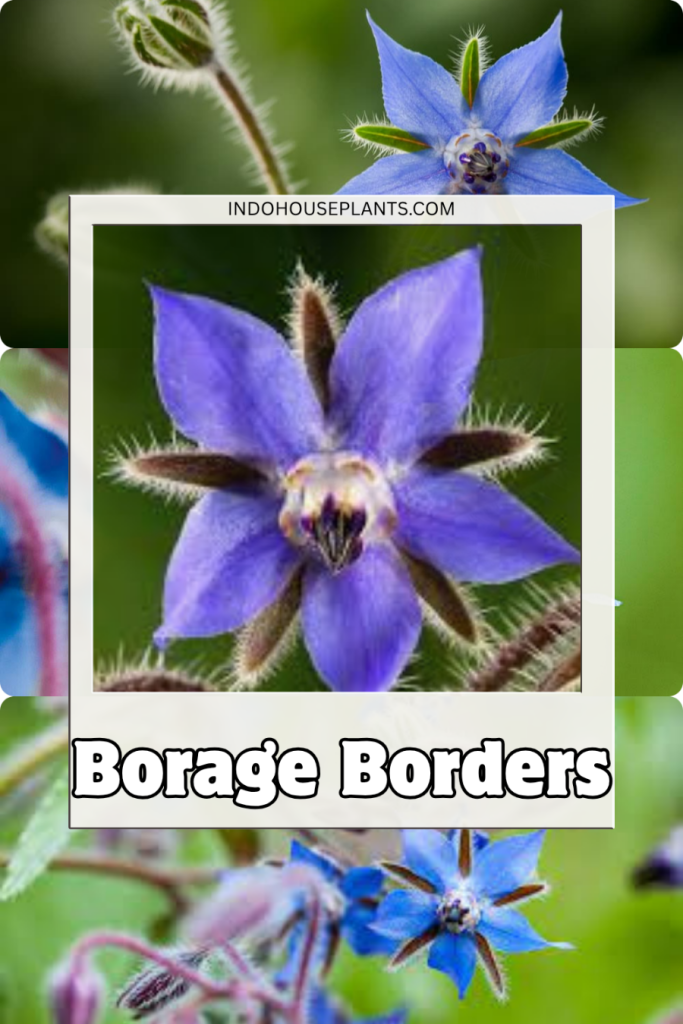
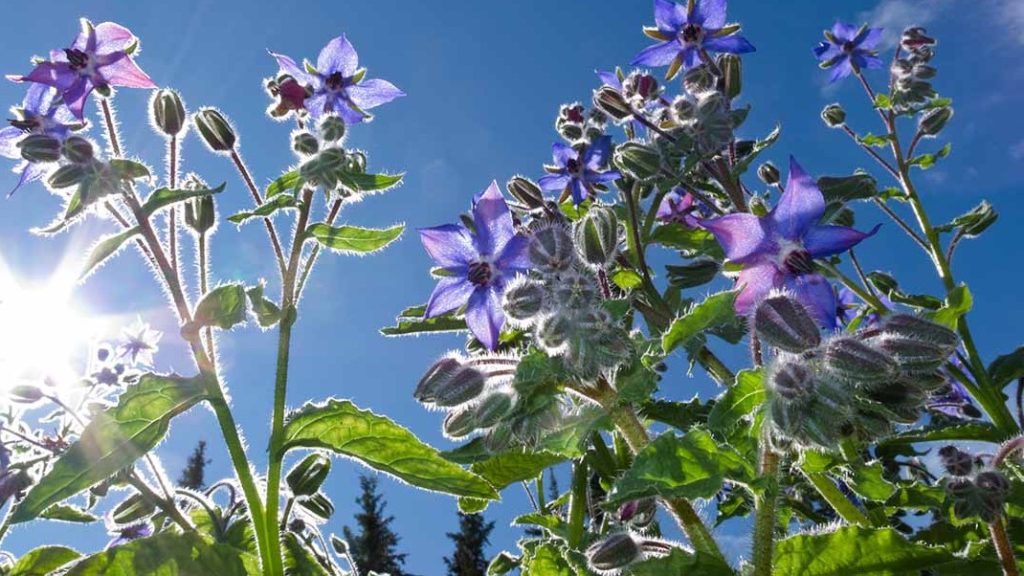
You see, borage doesn’t just look pretty with its starry, electric blue flowers. It actively brings your garden to life. The moment those blooms open up, your garden transforms into a hotspot for pollinators. Bees that were just passing through suddenly decide to stick around, buzzing from flower to flower. I noticed my tomato plants started fruiting earlier and more abundantly after adding borage to their borders—something I’d struggled with before.
What many folks don’t realize is how fast and generous borage is in filling space. Bare, dull edges? Not anymore. Borage shoots up quickly and fills those gaps with soft, hairy leaves and vibrant flowers that keep the border lively through the whole growing season.
Here’s a neat trick I discovered: you can nibble on the delicate borage leaves or toss the flowers into your salads and drinks. They add a mild cucumber-like flavor—a refreshing surprise for guests! It’s like your border is doubling as a little kitchen garden.
How I Planted and Managed My Borage Border So It Didn’t Turn Into a Jungle
Planting borage is straightforward, but there are a few things I’d do differently if I started from scratch:
- Location: Find a spot that basks in full sun or at least gets a solid 6 hours of sun. Borage is forgiving but loves sun as much as I love morning coffee.
- Soil prep: I lightly loosened the soil along my chosen border but didn’t go overboard with compost or amendments. Borage isn’t picky—if your ground drains well, you’re golden.
- Spacing is Key: I sowed seeds roughly 12 inches apart. This gave the plants breathing room and prevented a jungle effect. If you cluster too close, they flop over and compete too much.
- Timing: Spring after the frost risk passed was my go-to. I sowed directly where I wanted them, no transplanting hassles. If you’re impatient, start indoors but it’s not necessary.
- Watering: I kept the soil lightly moist while seedlings were tiny, then relaxed watering as they grew. Borage tolerates drought better than many plants, but a consistent drink during dry spells keeps them thriving.
- Maintenance: One thing I didn’t expect was how borage loves to reseed. Without deadheading spent flowers, it’ll happily carpet your garden. I embraced this wild side but carefully pulled seedlings from places I didn’t want crowding. This approach saved me from battles with overgrowth later.
- Pruning: Pinching or trimming back in mid-summer helps control height and promotes a bushier shape. Otherwise, they can get leggy, especially in partial shade.
Real-Life Success Stories from My Garden and Beyond
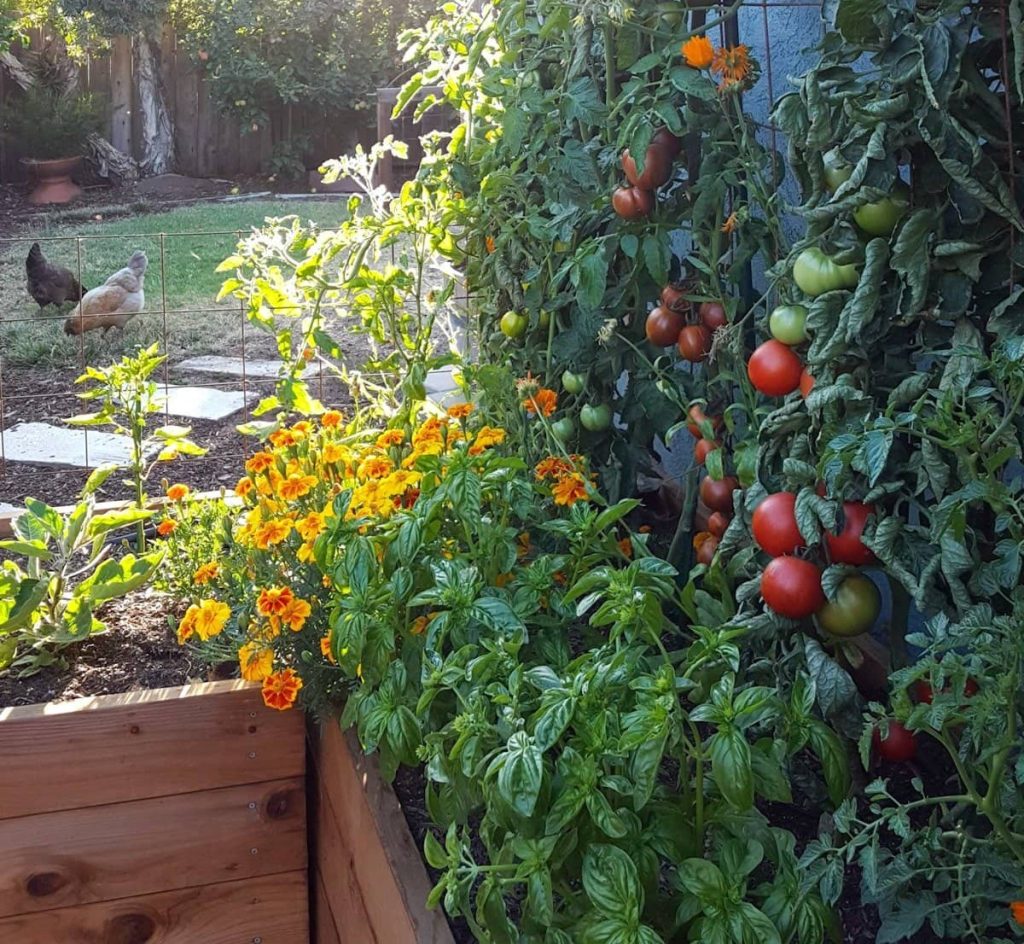
- Boosting Tomatoes: After I planted borage alongside my tomatoes last year, not only did the bees show up in droves, but my harvest was noticeably larger. It felt like my plants were getting a natural energy boost.
- Herb Garden Bestie: My friend uses borage as a border around her rosemary and thyme. She swears it keeps the herbs happier and healthier, thanks to the extra pollinator traffic and general garden balance.
- Welcoming Wildlife: Borage has also become a favorite hangout for beneficial insects in my front yard. Every morning, it’s a small wildlife sanctuary buzzing with life—ladybugs, bees, and even the occasional hummingbird come by.
Things I Wish I Knew Before Starting
- If you don’t want borage to pop up everywhere, deadhead the blooms once they start to fade. This keeps it from turning into a self-seeding beast.
- Pinch seedlings early if you notice they’re getting leggier than you like—this encourages stockier plants.
- Borage isn’t invasive in the worst sense, but it can take over if you let it. I treat it like a lively guest that needs a little managing, not like a wild weed.
- In small beds, be mindful of borage’s size (up to 2 feet tall). It can overshadow tiny plants, so I always plan its neighbors carefully.
My Best Advice if You’re Considering Borage Borders
Don’t stress about perfection. Borage has this forgiving nature that makes it a gardener’s best friend. It thrives even when you forget to water once in a while or if you’re less-than-meticulous about soil prep. It’s a plant that lets you experiment and rewards your care with bursts of color and a garden humming with pollinators.
Ready to Try It? Here’s How I’d Kick Off Your Borage Border
- Grab some fresh borage seeds from a local nursery or order quality seeds online—freshness matters for good germination.
- Pick a sunny, open edge where you want a splash of blue and a buzz of bees.
- This weekend, loosen the soil gently in a line—no need to dig a trench, just enough to help the seeds settle.
- Plant seeds about a foot apart, lightly cover them with soil.
- Water gently but don’t drench—keep soil moist until seedlings appear.
- Sit back and watch as those cobalt-blue stars start to invite friendly pollinators right to your garden’s doorstep.
If you’re anything like me, you’ll soon find that borage borders aren’t just decoration—they become an essential part of a thriving, vibrant garden ecosystem. Their cheerful presence and hardworking nature make them one of the best “border buddies” you could ask for. Happy planting!