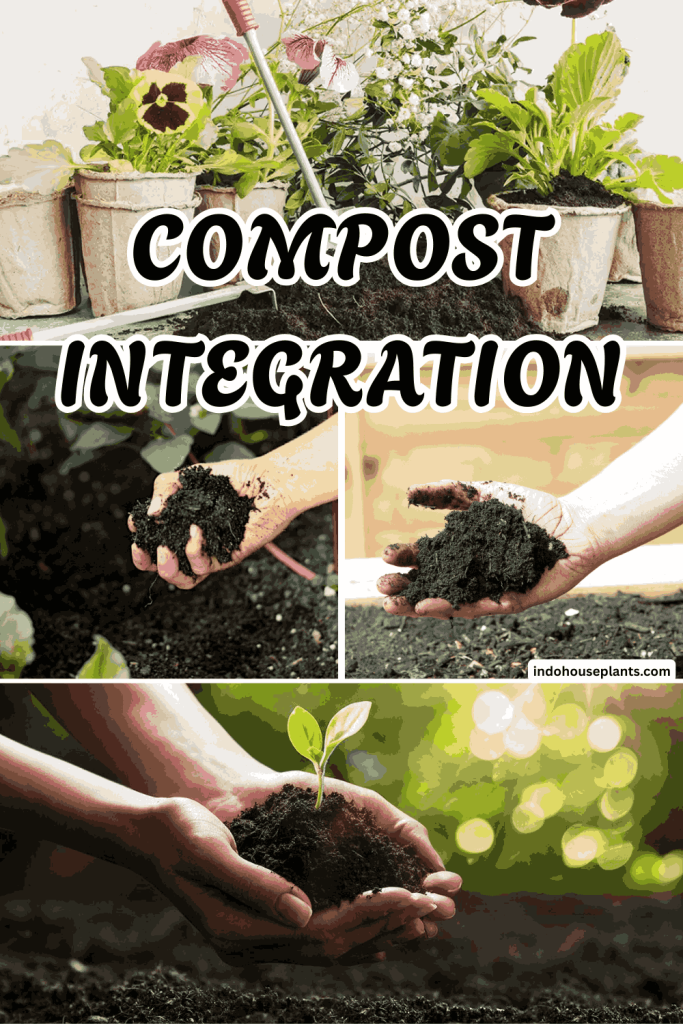
When I first started gardening, the idea of compost integration sounded technical and a bit intimidating—like some secret soil alchemy I wasn’t sure I’d ever master. But over time, digging into the process showed me it’s less about complex science and more about listening to your soil and plants in a way that genuinely transforms your garden. What most people don’t realize is that compost isn’t just “garden waste turned brown” — it’s the living heart of your soil’s health.
Why Compost Integration Is a Game Changer — From My Experience
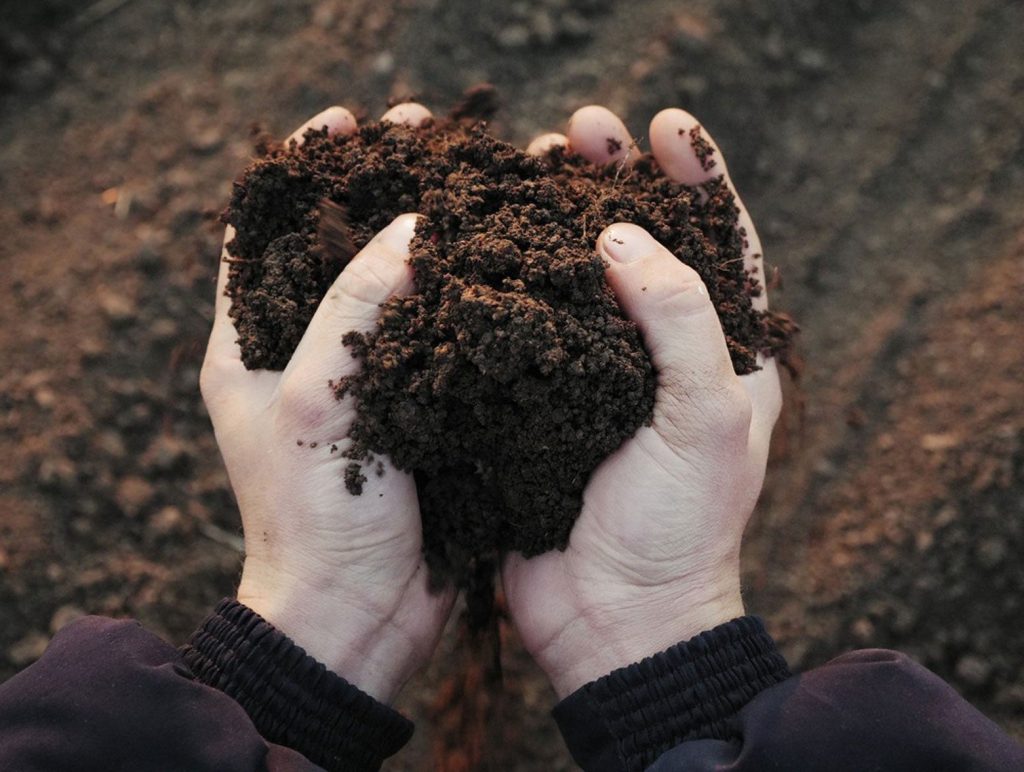
I remember one season where my tomato plants looked scraggly, and I was watering them constantly but seeing minimal growth. Buying bags of fertilizer felt like a quick fix, but I knew it wasn’t sustainable. Then, I spread a thick layer of homemade compost over my garden beds and worked it into the soil about 6 inches deep.
Within weeks, the difference was palpable: deeper green leaves, sturdier stems, and less watering needed. It felt like the soil was waking up — like it had finally found the right fuel to thrive.
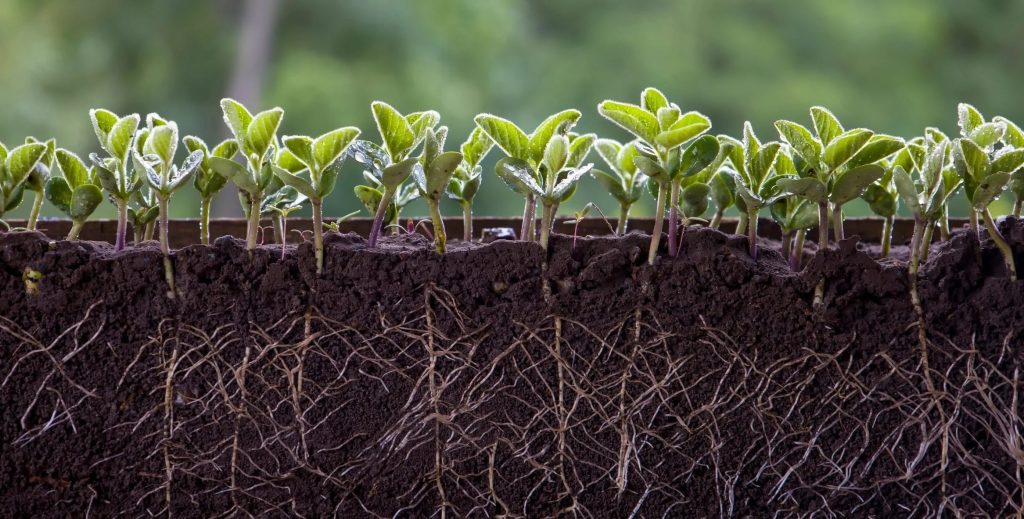
What surprised me most was how compost feeds the invisible helpers below the surface: microorganisms, earthworms, and fungi that turn nutrients into plant food. These little guys build soil structure, making it crumbly and rich instead of hard-packed dirt or dusty sand. And that’s what keeps your plants healthy over the long haul.
Bringing Compost Into Your Garden Without the Overwhelm
You don’t need a compost heap the size of a small barn to get started. When I began, I focused on small, doable steps. Here’s something I wish someone told me back then: mixing compost doesn’t have to be a full-on excavation project. For a quick boost, spread a couple of inches of compost on top of your garden beds or sprinkle a tablespoon or two into your potting soil for indoor plants.
One tiny change I made that really helped: whenever I repotted a houseplant, I’d mix some compost straight into the soil. It’s like giving them a cozy nutrient blanket. My ferns and peace lilies perked up noticeably — fuller leaves, brighter green hues — in no time.
How to Really Integrate Compost — In a Way That Sticks
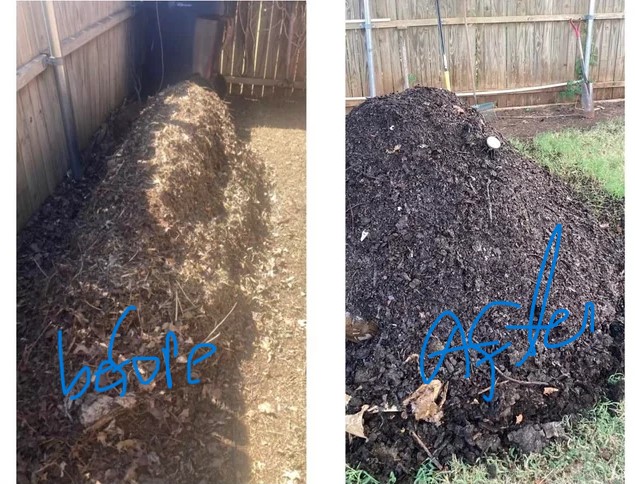
- Start With Quality Compost You Trust: I used to buy compost from the local nursery, but once I got the hang of it, I started making my own with kitchen scraps and leaves. It’s not magic, but you’ll want to avoid adding meat or dairy to keep things odor-free and pest-free. For a great guide on starting your own pile, the EPA offers helpful tips on home composting.
- Prep Your Soil Like You’re Setting a Table for Guests: Before you add compost, clear out weeds and debris. Your soil will absorb the benefits better if nothing crowds it out.
- Layer and Blend: Lay compost down in a 1-2 inch layer — imagine it like spreading peanut butter on toast. Then stir it in well with a fork, spade, or even your hands if you’re feeling adventurous. The goal is to get that organic matter thoroughly mixed into the topsoil where roots thrive.
- Water to Wake It Up: After integrating compost, watering helps awaken the microorganisms who get busy turning that matter into nutrients.
Real-Life Moments to Inspire You
Sarah, one of my gardening friends, was the queen of doubting soil amendments. She swore soil was just “dirt” and that compost was a buzzword. She took a leap last spring, added compost to her raised beds, and her tomatoes practically exploded with fruit. What stuck with me was how she said, “It’s like the plants finally have a meal instead of just snacks.”
At home, I’ve noticed my indoor plants respond dramatically to compost integration as well. One peace lily that had been languishing started shooting new leaves once I mixed compost into its potting soil during repotting season. It’s become such a habit that I rarely repot without adding a bit of compost now.
Troubleshooting What’s Holding You Back
- No Compost Yet? I started with a simple bucket under the sink for veggie scraps — no fancy bin necessary. Over a few weeks, it got me excited to expand into a full compost pile outside.
- Worried About Smells or Critters? That fear kept me from composting for ages. The key is balance — keep your compost moist but not soggy, and avoid smelly items like meat or oily food scraps. You’d be surprised how well nature manages itself with the right setup.
- Unsure How Much to Use? There’s no perfect recipe. Start small, observe your plants, and adjust from there. Sometimes a tablespoon in your potted plants or an inch or two spread over garden soil is all it takes.
- Compacting Clay or Sandy Soil? Compost is your ally here, but it’s a slow process. Over seasons, clay soils loosen and airy up, while sandy soil gains precious water retention. Patience and persistence pay off.
Why These Small Steps Make a Big Difference
Incorporating compost isn’t just about feeding your plants today — it’s about creating a thriving, living soil ecosystem that sustains your garden year after year. With every handful of compost you mix in, you’re nurturing microorganisms, improving soil texture, and building resilience against drought and disease naturally. You trade synthetic chemicals for nature’s own fertilizer.
And honestly? That feels good. It makes gardening feel connected and rewarding because you’re part of the natural cycle instead of just working against it.
What to Do Right Now to Get Started
If you have a patch of garden or a few houseplants, grab some compost—even store-bought will do! Spread a couple of inches over your garden soil and mix it in well, or sprinkle a tablespoon or two into your potting soil before planting. Water thoroughly after mixing.
Then, watch and learn. Notice how the plants respond after a week or two. I bet you’ll see growth, color, and vitality improve. Bonus: your watering routine will often become easier as compost helps the soil retain moisture better.
Compost integration isn’t just a garden task; it’s a slow, rewarding dance with the soil that creates healthier plants and a more sustainable garden ecosystem. Start with what you have, take gentle steps, and know that every handful planted is a seed for stronger growth tomorrow.