There’s something quietly powerful about crimson leaves—the way their deep reds seem to hold both the fire of autumn sunsets and the whisper of fading warmth before winter’s hush. When I first started playing with crimson leaf accents, I didn’t realize how such a simple natural element could completely shift the energy of a room or project. But these rich red hues aren’t just pretty—they’re emotional, tactile, and surprisingly versatile.
What Crimson Leaf Accents Really Bring to the Table
I like to think of crimson leaf accents as nature’s way of adding drama without shouting. Imagine a mostly soft, neutral setting. Then, out of nowhere, a few crimson leaves appear—like unexpected jewels scattered quietly around, inviting your eyes in. They create contrast that feels warm, inviting, and alive.
The color crimson itself is not just a color but a vibe. It carries history and depth—the color of velvet curtains in old theaters, the flush of a late autumn chill on cheeks, even the simmer of a cozy fire’s glow. These leaves embody all of that, which is why slipping them into your décor or crafts immediately introduces emotion, even if you don’t consciously notice it.
How I Use Crimson Leaf Accents (And How You Can Too)
- At Home: One of my favorite go-to tricks is collecting red leaves during fall walks. Instead of tossing them out after a day or two, I press a few and keep them inside clear glass bottles or jars around the house. The way light catches these deep reds against glass is subtle magic. Try it by a window where the sun can warm them—watch your space transform into something cozy and almost storybook-like.
- In Art: When I was experimenting with seasonal greeting cards, pressing crimson maple leaves and layering them over soft, recycled paper gave my designs an organic, tactile feel that no flat print could mimic. The veins of the leaf became patterns, shadows that you could almost feel with your fingertips. If you paint or collage, try incorporating actual leaves or leaf shapes—not just for color, but for texture and depth.
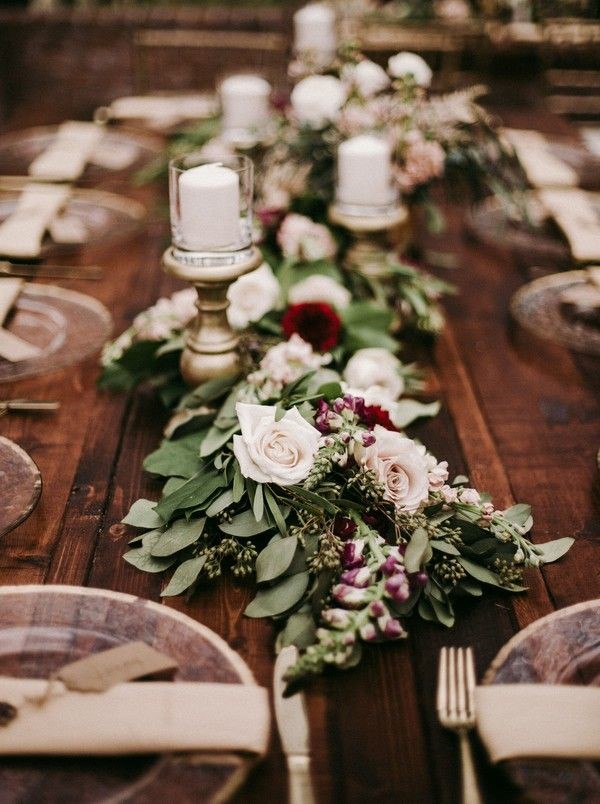
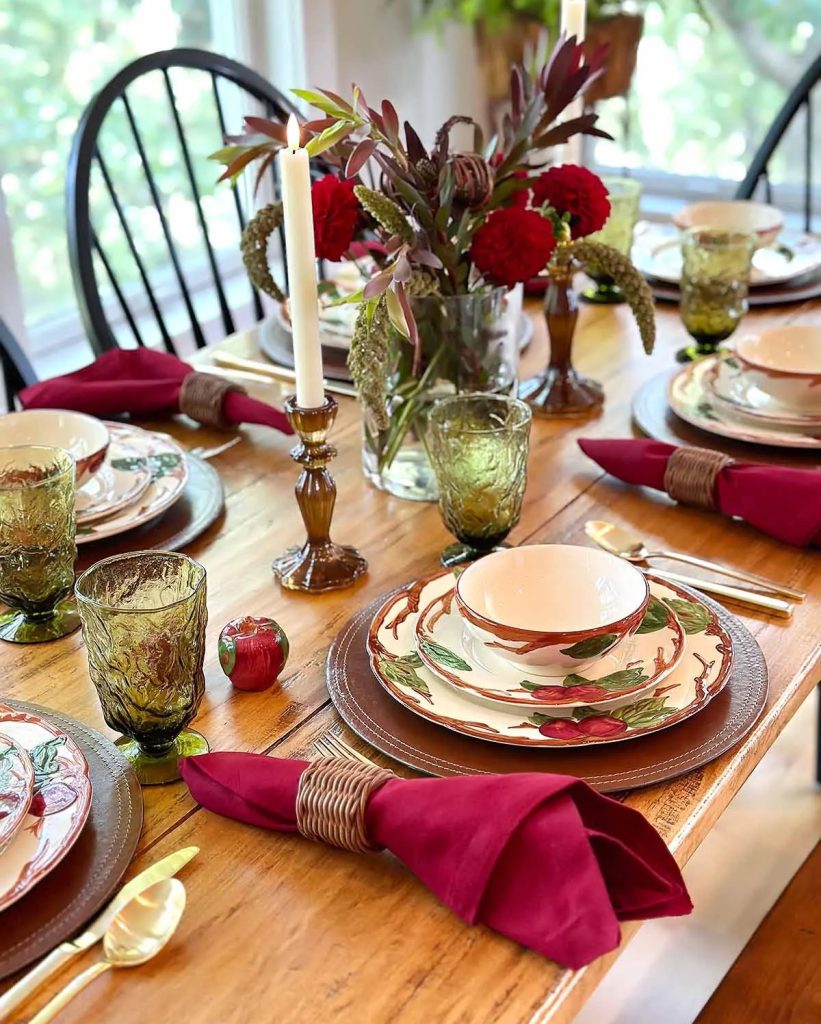
- Table Settings: Remember that time I hosted a small dinner party and scattered crimson oak leaves across the table? The way those leaves contrasted with simple white plates and clear glassware made everything feel intentional yet effortless. It’s an instant conversation starter, and people keep asking about the “little touch” that made the evening feel special.
- Unexpected Uses: Here’s what most people don’t know: crimson leaves aren’t just for fall. I’ve used faux crimson leaves to jazz up summer wreaths, even paired with fresh, green herbs for a bold contrast. For outdoor parties, anchoring string lights on crimson leaf garlands creates a rich, inviting atmosphere against the dusk.
Overcoming Common Hurdles with Crimson Leaves
- “I Can’t Find Real Crimson Leaves Where I Live.” Me too, sometimes! When that happens, my secret weapon is good-quality silk or faux leaves from local craft stores or online retailers like Etsy. They’re so realistic these days; you’d do a double-take. Plus, you can spray-paint plain leaves a custom crimson shade if you want a unique tone or finish.
- Preservation Anxiety: I learned the hard way that pressing and preserving leaves is an art in itself. My first batch curled and browned almost immediately. What works best is to press leaves between absorbent paper towels inside heavy books, changing the paper if it gets damp. Once dry, a gentle mist of matte clear sealant or hairspray locks in color and prevents brittleness without adding shine.
- Balancing Bold Color: Crimson can easily dominate a space—something I stumbled into hosting an event once when my entire centerpiece was just crimson leaves. Lesson learned: less is more. Group leaves in small clusters, pairing them with neutral or metallic tones to keep things elegant and balanced.
Real-Life Inspiration That Changed How I See Crimson Leaves
Last fall, I was invited to help with a wedding decoration. My secret weapon was a garland woven from crimson maple leaves collected from a nearby park, mixed with fresh eucalyptus and tiny white flowers. The result was a lush, romantic vibe that elevated the modest budget décor into something that felt luxurious and personal. People still talk about how the color brought the outdoor setting to life.
And once, to celebrate a quiet winter solstice, I arranged crimson leaves dipped in gold paint around a wooden candle tray. The way the painted edges caught the candlelight made the whole tiny setup feel like a ritual—warmth, color, and meaning all in one simple tweak.
Getting Started with Crimson Leaf Accents Today
If you want to try this out:
- Take a walk on a crisp day nearby and keep your eyes peeled for crimson leaves—maple, oak, sweetgum, or even dyed varieties.
- Don’t worry about “perfect” leaves. I’ve found that oddly shaped, weathered ones often have the most character.
- Bring them home and play with arrangements: on tables, in jars, or as a natural bookmark pressed in your favorite book.
- Capture your favorites with your phone camera. I keep a digital album for inspiration—it’s surprising how these little natural details seed ideas for future projects.
- If you want to preserve, start pressing them immediately between paper towels and books. Patience here is key!
Crimson leaf accents are more than decoration. They’re a way to connect with seasonal cycles, to bring a little wildness and warmth inside, and to create spaces or artworks that tell a story only you could imagine. Trust me, once you start playing with these fiery leaves, you’ll notice how even the simplest arrangements hold a quiet power.