There’s something quietly powerful about how different cultures use plants—not just as decoration, but as living expressions of philosophy, emotion, and connection. I remember the first time I truly dove into cultural plant arrangements, it wasn’t because I wanted a pretty centerpiece. It was because a Japanese friend invited me to an Ikebana workshop, and suddenly, I realized I was holding more than flowers—I was holding centuries of meaning, balance, and mindfulness. That experience completely shifted how I see plants, transforming them from mere greenery into a form of storytelling.
Here’s what most people don’t realize: cultural plant arrangements aren’t just about tradition or aesthetics—they’re living embodiments of values, intentions, and relationships between people and the natural world. When you arrange plants in these styles, you’re stepping into a dialogue that crosses time and geography.
What Cultural Plant Arrangements Reveal About Humanity
Imagine how people in wildly different places, from Japan to India to Hawaii, use plants to communicate ideas about life, spirituality, and community. It’s not just random beauty—it’s deeply intentional.
Let’s unpack three time-tested traditions, with a bit of flavor from real-world experience:
1. Japanese Ikebana: Finding Stillness in Minimalism
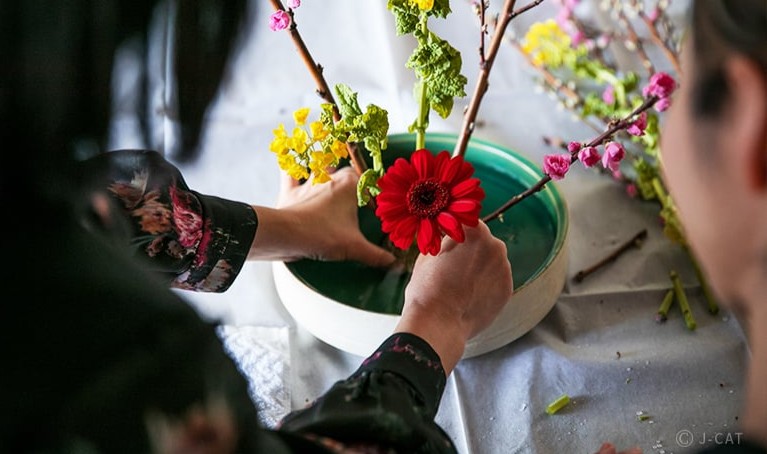
I’ve practiced Ikebana on and off for years, and what always strikes me is its reverence for space. Unlike the typical flower bouquet bursting with blooms, Ikebana feels like poetry—where the empty space around stems speaks just as loudly as the flowers themselves.
- The art is about balance—not symmetry, but a kind of deliberate imbalance that mirrors natural growth.
- Using just three main elements, representing heaven, earth, and humanity, you’re encouraged to see the unity in opposites.
- One time, during a quiet morning practice, I arranged a single willow branch with two jasmine stems. The movement of the willow seemed to give life to the stillness of the jasmine. It was a moment of calm in a hectic week.
Here’s what’s surprising: Ikebana can be done anywhere with whatever you have available. So don’t stress about exotic blooms. Find local branches, twigs, or even grasses—you’ll be embracing the philosophy rather than the exact species.
2. Indian Rangoli with Flowers: Vibrant Patterns That Invite Prosperity
I’ll admit, creating flower Rangoli never made it onto my DIY list—until I observed a family friend assembling one for Diwali. The precision with which every marigold and rose petal was placed stunned me. It’s not merely decoration; it’s a ritual act to invite joy and ward off negativity.
- The symmetrical patterns, made entirely on the floor, embody cosmic order.
- Marigolds, with their unmistakable scent and bright orange hue, essentially become symbols of life and protection.
- My favorite memory is helping lay petals in a circular design, noticing how the patterns created a palpable energy of welcome and celebration.
You can bring this tradition home without needing to be a master artist. Try small symmetrical designs, even with simple flower petals or colored rice, to tap into this joyful ritual.
3. Hawaiian Lei: Threads of Love and Storytelling
Leis first appeared in my life as celebratory gifts, but learning the history made me appreciate their depth. Each lei is a wearable story of aloha—love, respect, and connection.
- Crafting a lei isn’t just stringing flowers; it’s an act of giving part of nature’s beauty and blessings.
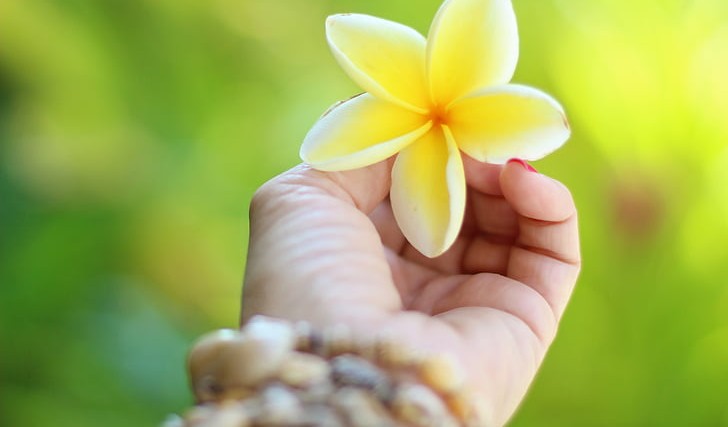
- Different flowers carry messages—plumeria signals positivity; ti leaves offer protection.
- Once, I made a lei for a friend’s graduation. The act of selecting flowers and weaving them together became an intimate expression of hope and friendship.
If you’re daunted by floral garlands, start small with a wrist lei or even a braided leaf version. The gesture, more than the perfection, holds the heart.
How I Suggest You Start Exploring Cultural Plant Arrangements
If you’re just beginning, it’s easy to feel overwhelmed—like where do you even start when the symbolism and rules seem endless? Here’s a little secret: you don’t need to master anything from the start. Your first arrangement doesn’t have to be perfect; it just has to be yours.
- Pick one style that naturally interests you. Are you drawn to the serene minimalism of Ikebana or the vibrant energy of Rangoli?
- Focus on one key principle. With Ikebana, that might be embracing asymmetry; with Rangoli, it could be the symmetry in patterns.
- Use what’s around you. Many of my most satisfying arrangements have been made with wildflowers from a walk or leaves from the backyard.
- Engage in the process with intention. Mindfulness is a huge part of these arts—arranging plants becomes almost a moving meditation.
For beginners, this Ikebana tutorial is a great starting point.
Common Pitfalls and How I’ve Navigated Them
When I first began, I felt like I needed “the right” flowers or to recreate traditional designs exactly. That pressure ironically stifled my creativity. Here’s what helped:
- Translating local flora into cultural forms. I once arranged eucalyptus and wild daisies in an Ikebana style—no one would mistake it for a traditional Japanese bouquet, but it held the spirit perfectly.
- Letting go of perfection. The beauty of these arrangements often lies in their imperfection and natural flow.
- Finding community. If you can, look for workshops or online groups where you can exchange tips and stories. These connections add depth to your practice.
Embracing the Journey
What I cherish most about exploring cultural plant arrangements is how they invite me to slow down and notice. Each piece becomes less a “project” and more a conversation—with nature, with culture, with myself.
You don’t have to be an artist or a botanist—just curious and willing to see plants as storytellers. Maybe your first arrangement is just a simple cluster of branches in a vase, but if it carries intention, it already holds magic.
What You Can Do Today to Begin
- Choose one cultural tradition that sparks your curiosity. Bookmark a tutorial or find a local book on it.
- Gather a handful of flowers or branches—whatever is accessible and meaningful to you.
- Set aside 20–30 minutes without distractions to create your first arrangement. Don’t overthink; simply experiment with placement and form.
- Reflect afterward: What emotions or thoughts did this stir? How did the act of arranging affect your mood or perspective?
By weaving these steps into your life, you’re not just making plant arrangements—you’re opening a door to new ways of seeing and expressing meaning through living things. Remember, the art is a journey, not a destination. Each stem you place holds a story, and each story connects you to a culture, a moment, and yourself.