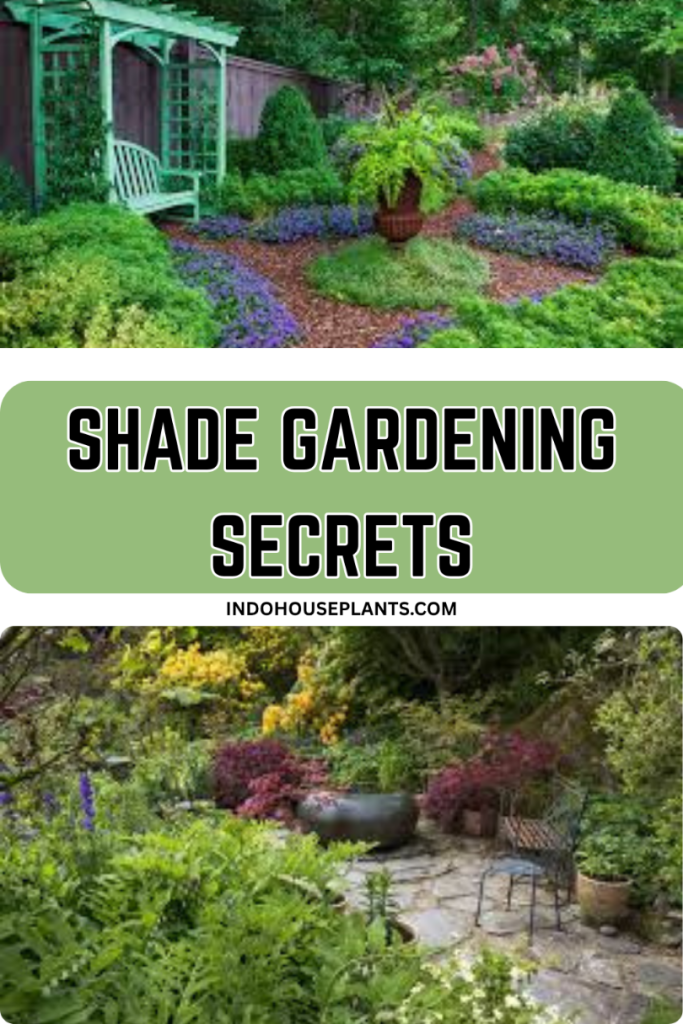
Why Shade Isn’t Your Enemy (It’s Your Secret Weapon)
Everyone acts like full sun is the gold standard for gardens—a spot of “problem shade” must be disguised or filled in. The reality? Most people kill more plants with too much sun and water than not enough. Shade forces you to slow down, select with intention, and prevents the all-too-common powdery mildew that plagues stressed-out sun plants.
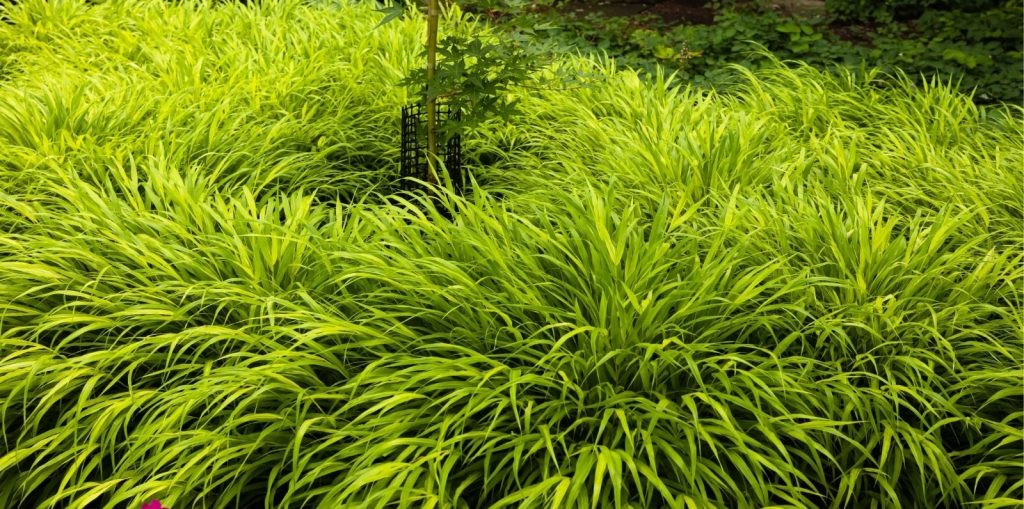
I used to pack my shadiest zones with ferns—because every garden book said so—but being blunt: ferns are not maintenance-free miracles. Many end up looking crispy by August if your soil isn’t moist enough. Instead, I switched to Japanese forest grass (Hakonechloa)—and suddenly realized those golden waves looked better after dry spells when the ferns had already checked out.
Forget Hostas as the Default: Start with Unkillable Oddballs
Sure, everyone runs to hostas first. They’re everywhere for a reason—they can take punishment—but they get boring fast. Here’s what most folks don’t know: Some tougher groundcovers will eat slugs for breakfast and fill space twice as fast. Try Epimediums (“Barrenwort”)—these things laugh off drought and deep shade, plus deer walk right past them.
- Real-world test: In 2021 during that brutal heat dome, I lost three hostas—but my patch of Epimedium ‘Pink Champagne’ didn’t blink.
- Want color? Lungwort (Pulmonaria) survived under my neighbor’s spruce when even lamium melted away—and it was blooming in March while everything else sulked.
- Tool tip: Use root barriers if you have thirsty trees nearby; most advice ignores tree root competition, but trust me on this one.
[IMAGE: Close-up of Epimedium’s delicate flowers with text overlay: “Slug-proof and drought-tolerant”]
Soil: Compost First—Forget Fancy Fertilizers
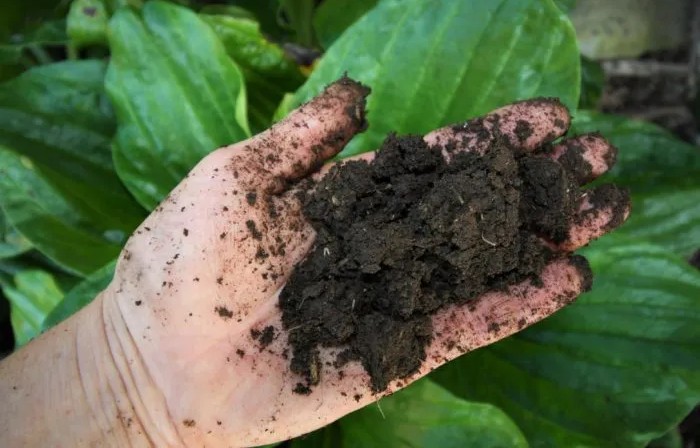
Too many guides pitch bagged fertilizers or miracle amendments like a shopping list. Skip it. Shade plants want crumbly soil full of organic matter—not chemical boosts. I learned this after watching $50 worth of fancy plant food make zero difference under a mature oak; but two bags of cheap leaf compost made everything explode in green growth by June.
You’re better off making your own compost pile from leaves blown into the shady corners—nature does the work for you. Save your money and spend it on another plant instead.
Watering: Less Often Than You Think
Here’s what beginners never hear: shady beds stay wetter than sunny ones nearly all year unless you’re planting on sand or against baking brick walls.
What works? “Moist cake” is overrated advice when your soil sits under tree cover—the real trick is weekly deep soaks at root level until established, then nothing until rain stops for over a week. Test with your fingers—ignore calendars.
Personal miss: Back in 2017, I followed blog schedules instead of checking soil moisture—and killed three expensive hellebores to rot before learning to trust touch over charts.
Pests: Don’t Let Slugs Dictate Your Plant List
Everyone tells you to avoid hostas if slugs are around or douse everything in pellets—but you won’t win that arms race forever. Rotate in more slug-proof picks like Heuchera ‘Caramel’ (never gets touched here), epimediums again (seriously—they’re ironclad), and even foxglove if you want drama.
Real talk: If slugs are truly out of control? Ditch mulch for crushed rock right around slug magnets—that’s a trick old-timers use that almost nobody online mentions anymore because it’s not “pretty.” It flat-out works without chemicals.
Blooming Shade Gardens Are Possible (But Forget Annuals)
Most new gardeners stuff impatiens anywhere shadow falls…until disease wipes them out midseason or deer treat them as salad bar appetizers.
The smarter approach? Layer perennials that flower at different times:
- Early color: Lungwort pops blue-pink spots before spring bulbs.
- Midsummer drama: Astrantia breeds like crazy in cool damp corners.
- Late show: Japanese anemones bring clouds of flowers as everything else fades—just be ready to pull runners; these spread fast when happy!
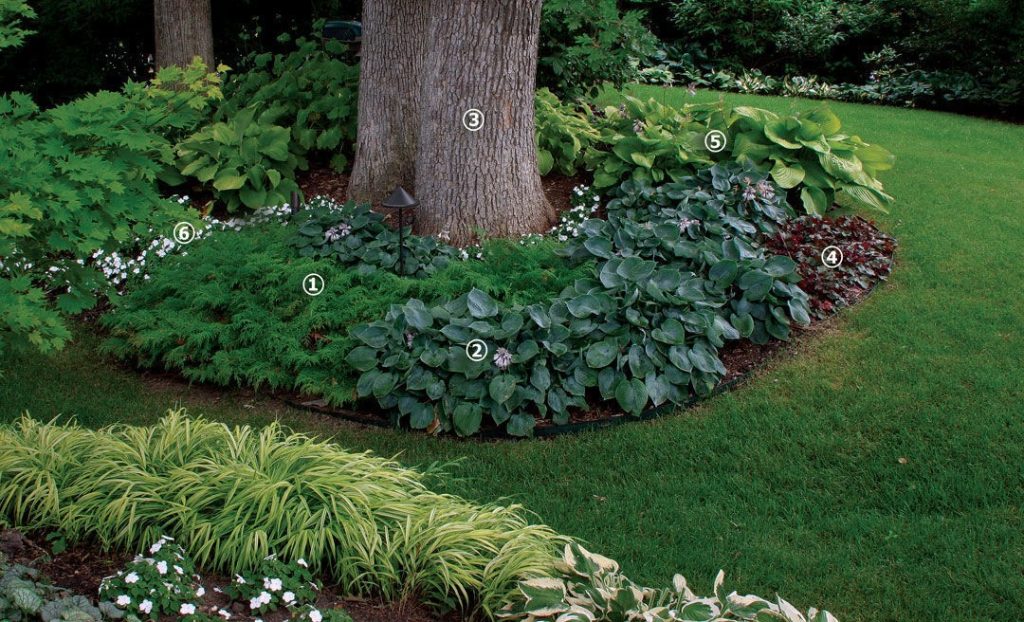
My favorite combo: Hakonechloa underplanted with purple-leaf heuchera and a random drift of astrantia makes a patchwork tapestry—even friends who hate “shade gardens” stop and comment.
Real Example: From Bare Ground to Lush in One Year
Let’s be honest—I once inherited a northwest-facing rental yard that was basically hardpan mud under maples. Everyone told me nothing but moss would grow there unless I sunk serious money into soil replacement (ha!). Instead:
- Raked leaves IN each fall instead of hauling them away
- Planted three $3 gallon-size lungwort splits from local plant swaps
- Added thrift-store concrete chunks as stepping “stones”
- By next spring—polka dots of blue flowers everywhere
No fertilizer, no irrigation system—just patience and composted leaves each year since then. It paid off better than any bagged solution could have!
[IMAGE: Before/after of the rental yard transformation]
Quick Action Steps—Contrarian Edition
- Scope out nursery clearance racks—not designer displays—for tough oddball perennials like epimediums or hellebores.
- Ignore bagged topsoil pitches—grab composted leaf mold or even shredded bark meant for pathways; both outperform peat-rich mixes long-term.
- Choose ONE spot plagued by “nothing grows here” syndrome—and challenge yourself to fill it with anything but hosta first.
- Plant close together; crowding helps suppress weeds while roots establish—but trim back winners twice yearly so they don’t smother each other.
- Celebrate small wins—a single lungwort bloom means you’re on track! Add something new only once the first survives winter or summer dry spell.
Now go break some “shade rules.” Skip the standard formula gardening—you’ll end up prouder (and lazier) than the guy coddling sun-perennials along his fence line all season long.
Shade doesn’t limit you—it frees you up from fussing over high-maintenance divas pretending they’re indispensable summer stars. Grow smarter…not harder!