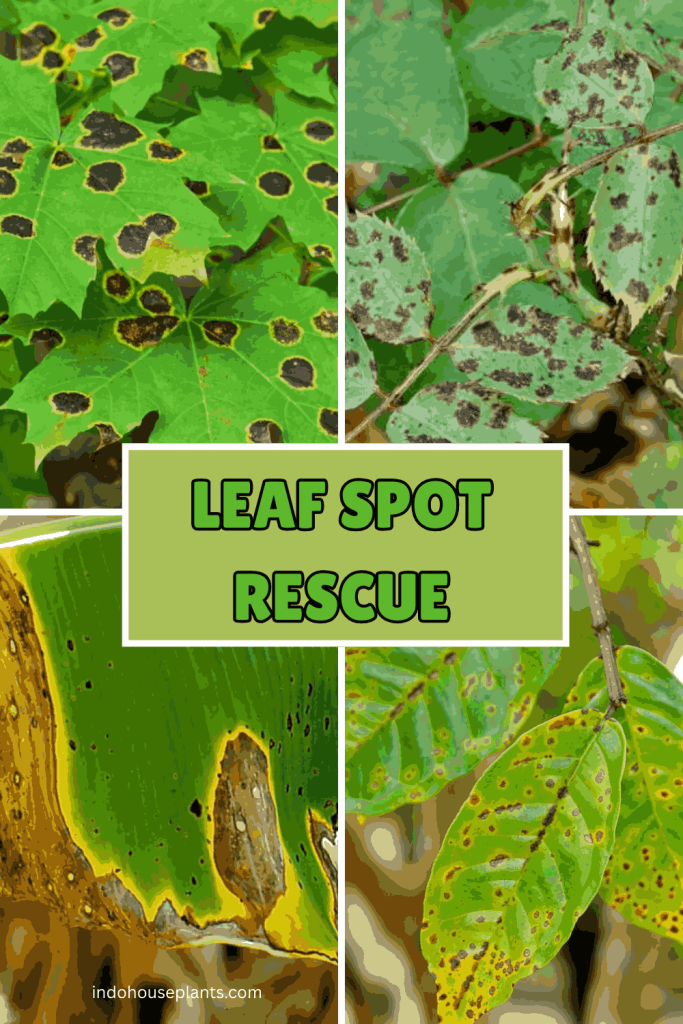
If you’ve ever glanced at your plant and spotted mysterious dots, splotches, or little polka-dots appearing out of nowhere, take a deep breath—this is a rite of passage for anyone who’s tried keeping leaves green and happy.
I remember my first epic battle with leaf spots: it was back in 2017, after three straight days of spring rain. My tomato patch looked like someone had sprinkled black pepper all over the bottom leaves. My heart sank—I’d just spent weeks nurturing those seedlings! But here’s what I wish someone had told me then: leaf spots are rarely the end of the road, and most problems can be tackled with a calm, step-by-step approach.
Let me break this down using real-world lessons learned—sometimes from failed first attempts!
Here’s What Most People Don’t Know About Leaf Spots
We all hear “remove infected leaves and don’t water overhead,” but here’s the detail nobody emphasizes: timing and technique matter way more than you’d think.
The Wetness Window
Think of it this way: leaf spot diseases need a perfect storm—wet leaves and stagnant air. In my experience, even plants that got splashed with water bounced back if their leaves were dry within two hours. But if moisture lingered overnight (especially after evening watering), spots popped up every time. That’s why watering in the morning is golden; it gives sun and breeze plenty of time to do their thing.
Personal twist: After ruining an entire batch of petunias by watering them at dusk (“I’ll just give them a drink before bed!”—famous last words), I switched to only watering at sunrise. My next crop was almost spot-free—even during humid July stretches.
Strategies That Actually Work (Learned From Scraped Knees)
- Snip Smart, Not Just Fast
- Don’t yank off every spotted leaf in sight! Remove those with active spotting or ones already yellowing/weak—the plant needs some foliage to photosynthesize.
- Disinfect your scissors between plants. A shot glass with rubbing alcohol works wonders on garden days.
- Some gardeners toss infected trimmings into yard waste bins; I learned the hard way not to compost these—fungi loved my old pile so much they came back for seconds next season!
- Create Breathing Room
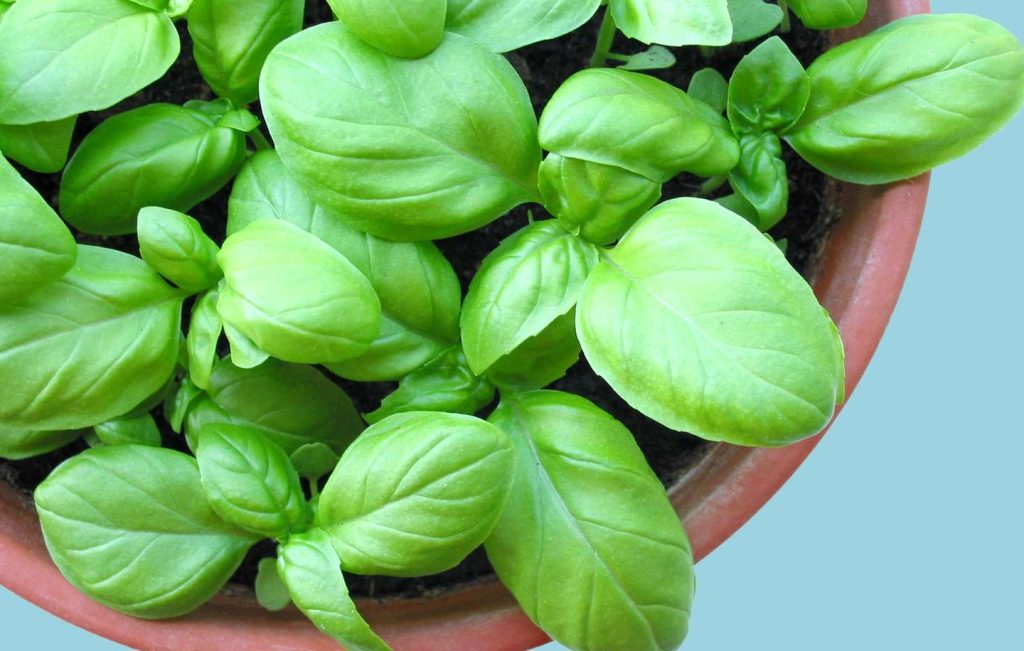
- One summer, my basil was plagued by dark patches because I’d jammed six plants into a tiny planter. Airflow? Nonexistent.
- Now I use a “two-finger test”: if I can’t slip two fingers easily between stems, it’s time to thin out.
- Box fans aren’t just for people! When humidity stuck around indoors, setting a small fan near my houseplants helped cut down on recurring leaf spots.
- Mulch With Purpose
- Spore splash-up from soil is sneaky; adding a 2-inch layer of straw mulch around tomatoes nearly eliminated lower-leaf spotting one year.
- Bonus: mulch keeps soil moisture more even—which reduces stress-triggered diseases too!
- Observe Before You Panic
- Not every spot is doom-and-gloom disease. Look for patterns: Are new leaves showing symptoms? Is it isolated or spreading?
- Once, I worried about yellow blotches on my monstera—but realized they lined up perfectly with where sunlight hit through slatted blinds around noon (classic sunburn). Sometimes detective work pays off!
Unexpected Tricks Most Books Won’t Tell You
- Milk Spray: For roses plagued by black spot, mixing 1 part milk to 2 parts water and spritzing weekly kept things under control better than any store-bought spray that spring.
- Coffee Filter Diagnosis: Placing suspect leaves on coffee filters overnight sometimes reveals faint spores as colored halos—a trick an old greenhouse manager taught me!
- Crowdsourcing Fast Fixes: Local Facebook gardening groups once helped me ID Alternaria on peppers within hours.
What Didn’t Work (So You Can Skip It)
- Covering tomato plants during rainstorms trapped humidity and spread disease faster.
- Copper sprays are great as prevention but far less effective once spotting is everywhere—plus some plants (like marigolds) don’t tolerate them well.
Real Conversations & Learning Moments
Me (to neighbor): “Hey Mark, your zucchini look so healthy! How do you avoid those ugly brown spots?”
Mark: “Don’t crowd ‘em—and pick off anything funky as soon as you see it.”
Me: “That simple?”
Mark: “That simple.”
He wasn’t wrong; pruning plus airflow made all the difference.
Your Step-by-Step Rescue Plan
- Walk through your plants right after breakfast; morning light helps spot trouble early.
- Only remove leaves that are truly sickly—don’t scalp your plant out of panic!
- Switch up watering times and check if mulch could help splash-proof garden beds.
- Thin crowded areas until you can see daylight between stems.
- Make notes in your phone (“June 10th – new spots after storm”) so patterns become obvious.
Final Encouragement
Leaf spots come for us all… but resilience (both yours and your plant’s) grows each season. Celebrate small victories—a flush of new green growth means recovery is working!