When you hear “Anthophyte Selections,” it might sound like a complicated science term, but it really just means choosing flowering plants for your garden. These plants, called anthophytes or angiosperms, are the colorful blooms you see everywhere—from tiny wildflowers to big trees like magnolias. They’re not just pretty; they play key roles in nature by attracting pollinators and producing fruits and seeds that feed animals and people.
Why Anthophyte Selections Matter
Picking the right flowering plants isn’t only about looks. It’s about choosing plants that will thrive in your garden’s environment and match the care you can give them. When you pick wisely, your garden grows healthier, blooms more, and requires less hassle. You get a vibrant space that supports nature and brings you joy.
Easy Steps to Choose the Right Anthophytes for Your Garden
- Know Your Climate Zone:
Use the USDA Hardiness Zone Map (just search “USDA zone map” online) to find your zone. This tells you which plants can survive winters and heat in your area. Local nurseries or extension offices can also help you understand your climate. - Observe Your Garden’s Microclimates:
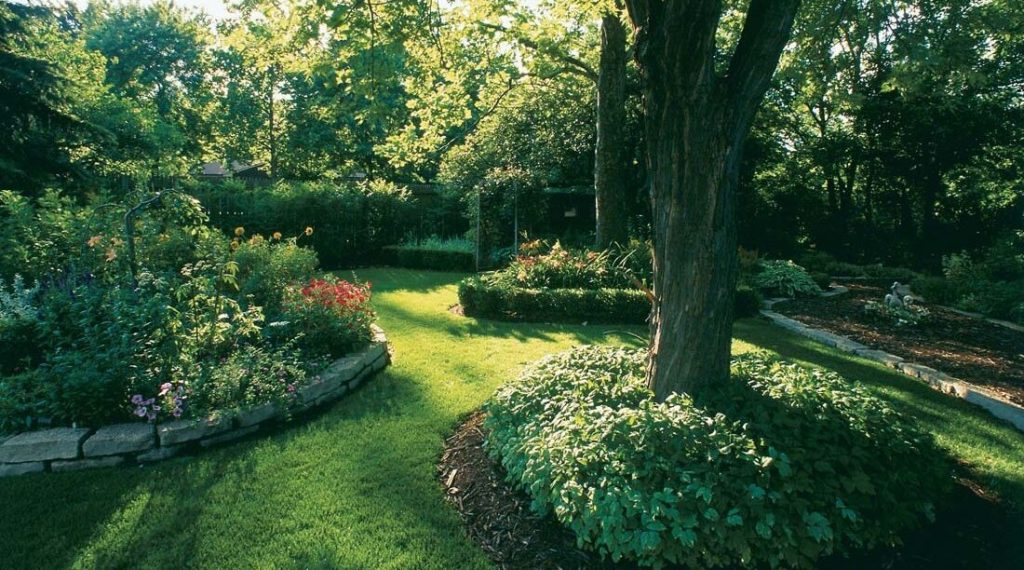
Look at your yard: which areas get full sun, partial shade, or full shade? Are some spots dry or soggy? These details help you pick plants that will be happiest where you plant them. - Decide What You Want from Your Flowers:
- Color and beauty?
- Attracting pollinators like bees and butterflies?
- Harvesting fruits, herbs, or seeds for food?
Knowing this will guide your choices.
- Be Honest About Your Time and Care:
If you’re busy, choose low-maintenance plants like lavender or hardy shrubs that come back year after year. If you love gardening and can spend more time, you can try higher-maintenance plants like roses. - Plan for Blooming Throughout the Seasons:
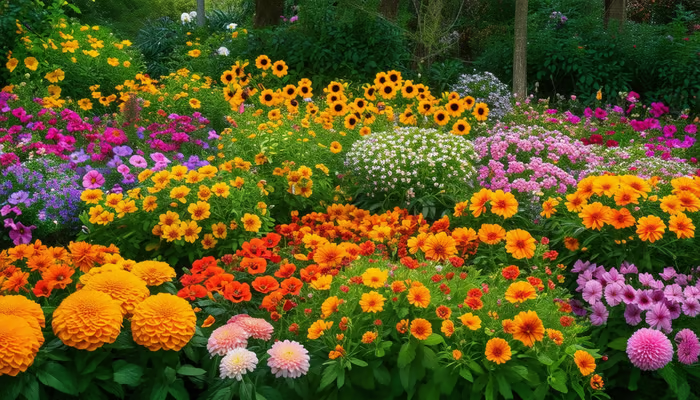
Mix plants that flower at different times so your garden always has color and supports pollinators all year long. For example, plant tulips for early spring, sunflowers for summer, and asters for fall.
Some Favorite Anthophytes to Try
- Lavender: Smells wonderful, attracts pollinators, drought-tolerant, and low-maintenance. Great for beginners.
- Sunflowers: Easy to grow, bright and cheerful, excellent for bees and birds.
- Marigolds: Hardy, colorful, and repel some pests naturally.
- Roses: Beautiful but need more care—try hardy shrub varieties to start.
- Basil and Thyme: Edible herbs that flower and attract pollinators, plus you can use them in cooking.
Common Challenges and How to Overcome Them
- Not Knowing Your Zone:
Check your USDA zone online or ask local gardening groups. This makes a big difference in plant survival. - Feeling Overwhelmed by Too Many Choices:
Start small with 3–5 easy plants recommended for beginners in your area. This builds confidence and reduces frustration. - Not Knowing How to Care for Plants:
Join local gardening clubs, visit nursery workshops, or use online forums. Asking questions and sharing photos can help you learn quickly.
Quick-Start Checklist for Anthophyte Selections
- Find your USDA hardiness zone online.
- Note sunny, shady, dry, and wet spots in your garden.
- Decide what role you want your plants to play (beauty, wildlife support, food).
- Visit a local nursery and ask for beginner-friendly flowering plants for your zone.
- Start with easy plants like marigolds, lavender, and sunflowers.
- Look up simple planting and care guides or videos for your chosen plants.
Final Thought
Choosing anthophytes is about creating a garden that fits you and your environment. Every flower you plant supports life and adds beauty. Don’t worry about making perfect choices right away—gardening is a journey, and each step teaches you more. With a little planning and curiosity, your anthophyte selections will bring enjoyment and growth for years to come.