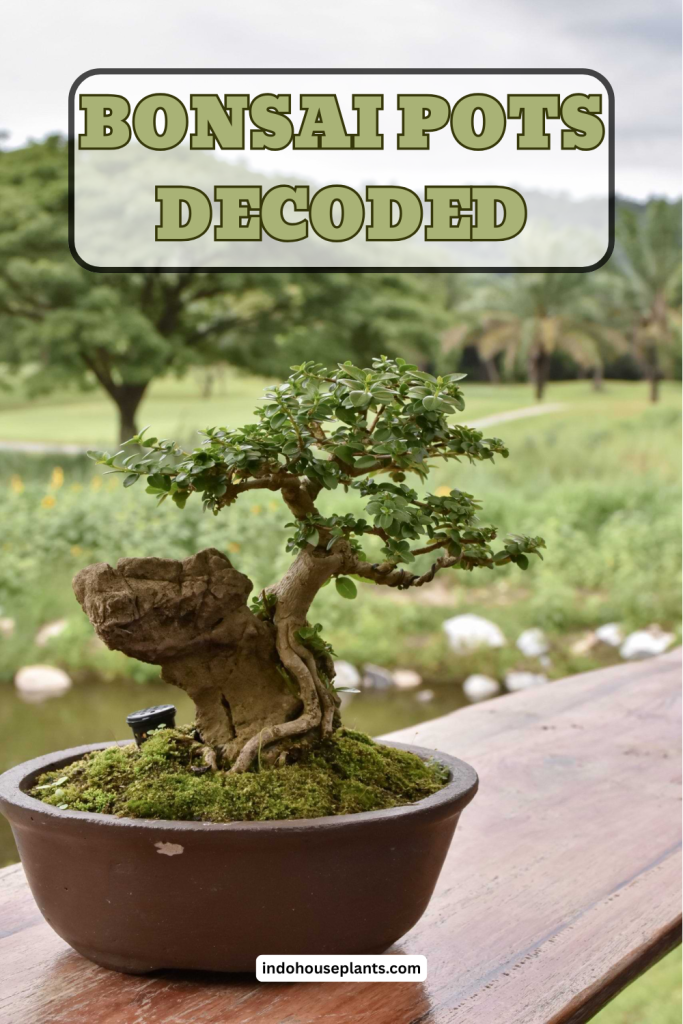
When I first started with bonsai, I was totally baffled by the pots. I mean, how could something as simple as a container be so crucial? But over time, I’ve come to realize that bonsai containers aren’t just vessels—they’re part of the bonsai’s personality, its stage, and its health all wrapped in one.
Here’s what most people don’t know: the pot essentially talks to the tree. It restricts the roots in just the right way to keep the tree miniature, sure, but it also influences how the roots breathe, how moisture lingers, and even how your bonsai presents itself as a little living sculpture.
What Makes Bonsai Pots Special (and Why You Should Care)
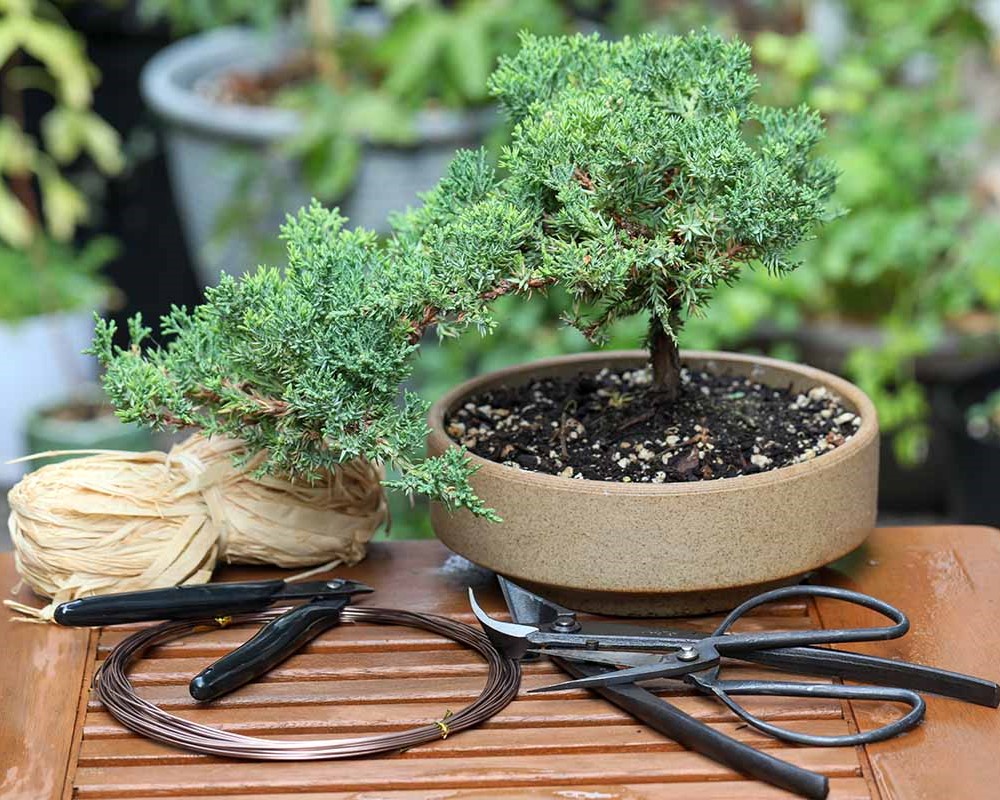
Unlike your average garden pot, bonsai containers are intentionally shallow and carefully sized. This keeps the roots from sprawling wildly and encourages them to grow dense and compact—a bit like a small apartment that forces you to be efficient with your space.
That restricted root zone is critical because it impacts the tree’s overall vigor. You can’t just slap a bonsai in any pot—it has to be a kind of Goldilocks zone: not too big, not too small, just right.
From my hands-on experience, the real trick is balancing function and aesthetics. Early on, I chose a stunning glazed rectangular pot for my juniper, only to realize it had barely any drainage. The roots suffered quickly.
So, I learned the hard way that drainage holes are non-negotiable—no exceptions. I now always look for pots with multiple holes to ensure excess water escapes easily. This tiny detail prevents root rot, which can kill your bonsai faster than most pests.
The Art of Choosing Your Bonsai Container
1. Size Matters But Don’t Sweat It
Your container should be just a bit larger than the root ball—think about giving your bonsai room to breathe, not a sprawling mansion. For example, my 5-inch juniper fit perfectly in a 6-inch pot. This slight buffer lets roots grow without encouraging overexpansion, which keeps your bonsai petite and healthy.
2. Depth Is More Than a Number
Trees with thicker, woody roots, like pines, do better in slightly deeper pots—around 3 to 4 inches. Delicate species, like some maples or azaleas, prefer shallower pots that mimic their natural root spread.
I remember switching from a 4-inch deep pot to a 2.5-inch one for a dwarf maple, and the improved root airflow made a noticeable difference in growth.
3. Drainage Is Your Bonsai’s Best Friend
You want those drainage holes—ideally two or three. If you find a pot you love that lacks holes (it happens!), a little DIY with a diamond-tipped drill bit and plenty of water to keep things cool can solve this. Just take it slow to avoid cracking the pot.
4. Material Matters More Than You Think
- Glazed ceramic pots are popular for beginners because they look great and retain moisture well.
- Unglazed clay pots, while more high-maintenance, offer superior root respiration—great for pines or junipers that prefer drier soil.
5. Style and Color Are Personal but Powerful
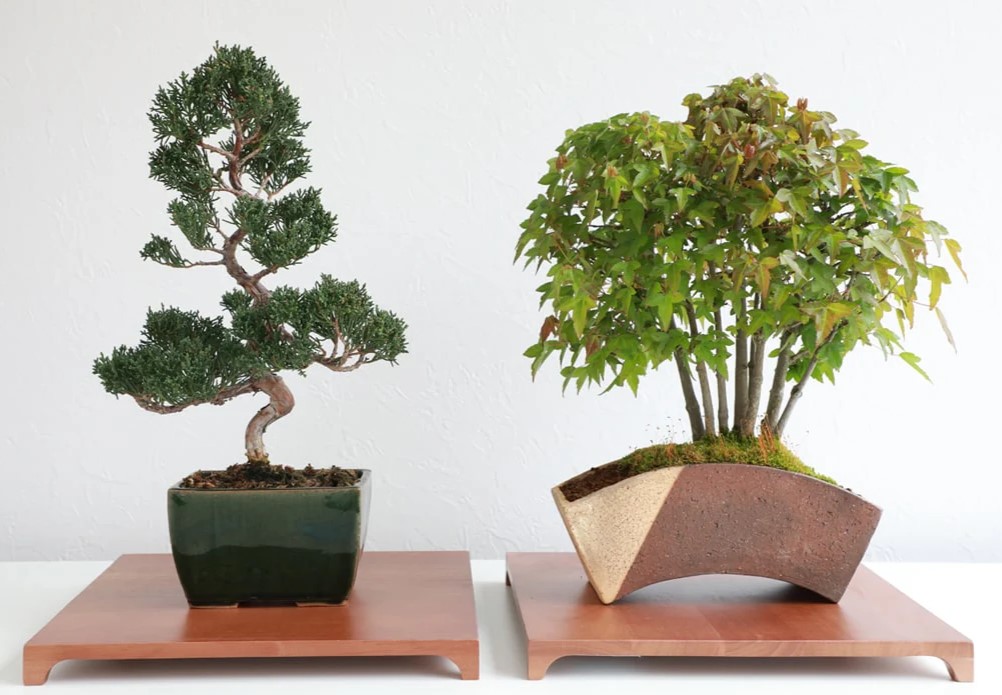
I once paired a rugged, rustic oval unglazed pot with a bonsai that had gnarly bark—it just felt right. Earthy tones bring out the natural vibe of pines, while blues or greens can highlight vibrant leafy bonsai like maples.
Real-Life Container Examples That Worked for Me
- 6-inch glazed ceramic pot – Works well for junipers and small maples. The glossy finish makes the foliage pop.
- Unglazed oval clay pot (8×5 inches) – Perfect for pines, as the rough texture complements their bark.
- Rectangular porcelain pot with feet – Elevates the tree for display, allowing airflow underneath.
Avoiding Pitfalls I’ve Experienced
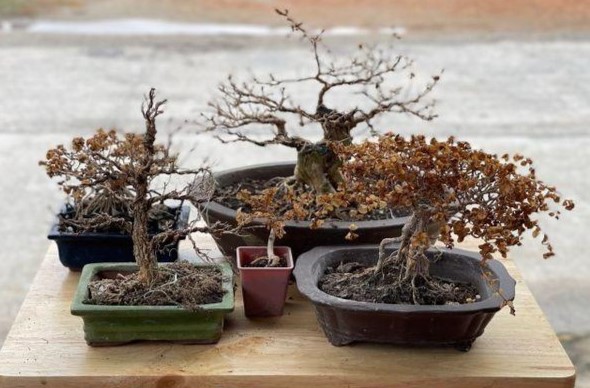
- No Drainage? Big No-No – A beautiful pot without holes led to soggy roots and a sick bonsai.
- Too Big a Pot Drowns Your Tree’s Charm – Excess space can make your bonsai lose its miniature appeal.
- Too Small is a Root’s Worst Enemy – Cramped pots stress the tree, affecting water and nutrient absorption.
Starting Your Bonsai Journey with Confidence
If you’re just jumping into bonsai, don’t overthink the container. Begin with one or two simple glazed ceramic pots around 6 inches wide. They’re beginner-friendly, forgiving, and versatile.
What You Can Do Today
- Measure your bonsai’s root ball—this is your starting point.
- Look for pots about 1 inch larger than your root ball, with good drainage.
- Start simple with glazed ceramic pots in neutral colors.
- Watch beginner-friendly repotting guides to build confidence.
Final Thought
Choosing the right bonsai pot might feel like a tiny detail, but it builds the foundation for a healthy, thriving, and visually stunning bonsai. Over time, it becomes a joyful ritual—a chance to appreciate the harmony between tree and pot.