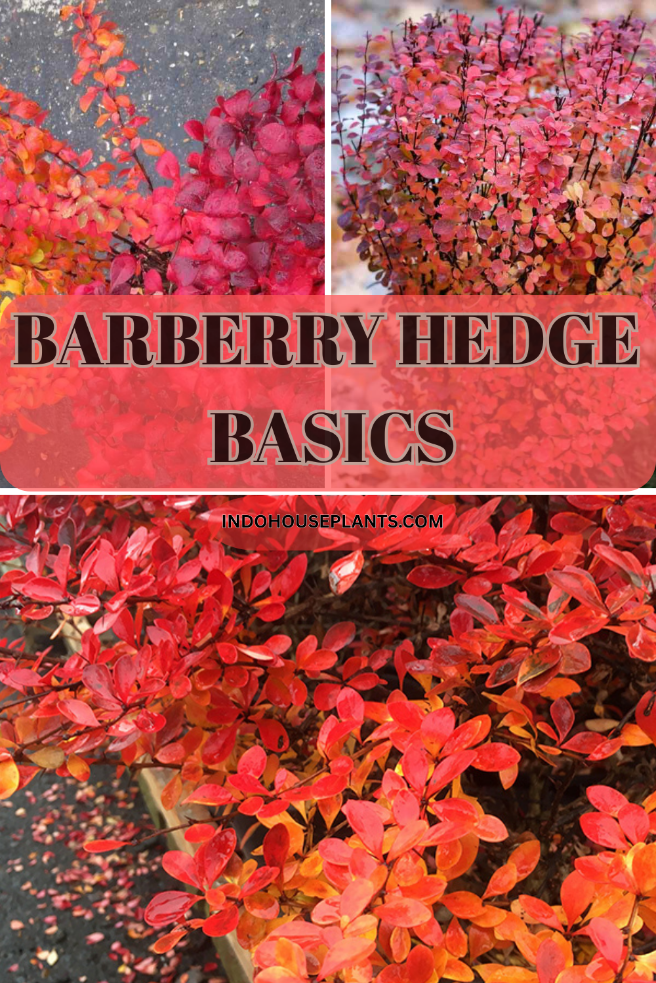
When I first decided to plant a Barberry hedge along my backyard, I quickly realized it wasn’t just about picking a shrub and sticking it in the ground. There’s a bit of an art to it—balancing the practical benefits with a touch of personality that makes your garden feel alive. Barberry isn’t just any hedge plant; it’s tough, colorful, and willing to protect your space with those infamous spiny branches. But here’s what most people don’t know—it also adapts like a champ, making it a perfect beginner-friendly option that rewards some thoughtful care.
Why Barberry Hedges Are More Than Just Thorny Shrubs
I love Barberry because it works hard for you without asking much in return. Those spines don’t just look intimidating; they genuinely deter neighborhood dogs, deer, and even nosy kids. I remember when my friend’s mischievous beagle tried slipping under her hedge—he quickly learned his lesson thanks to those prickly branches! Plus, the dense growth means you don’t have to worry about unsightly gaps like you get with other plants. If privacy and security are on your wishlist, Barberry has you covered.
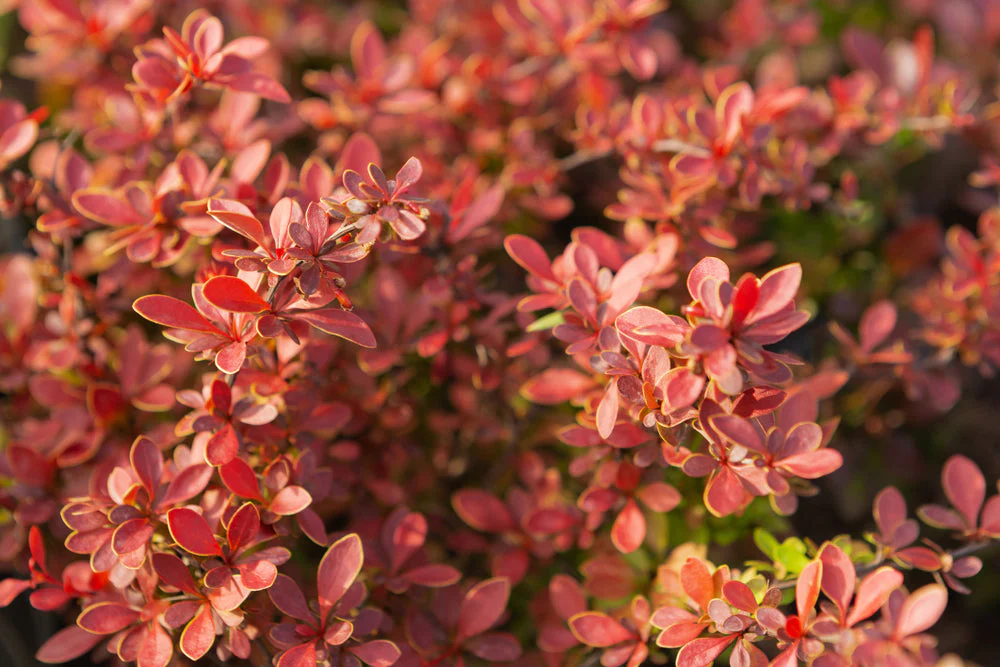
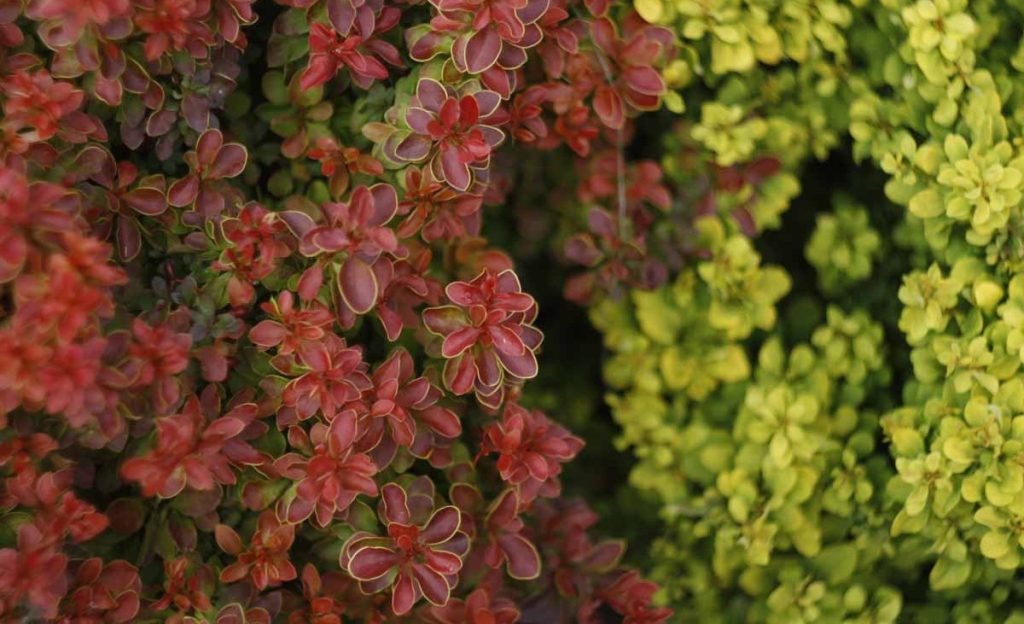
What’s often overlooked is how forgiving this shrub is. I’ve planted mine in spots with full sun baking it some days, and in shadier corners, and the plant adapts without drama. It’s like the yin and yang of hedging—a plant that’s both tough and beautiful. The foliage colors really add a layer of character too. The ‘Rose Glow’ variety with its purple leaves mixed into the green is like a subtle garden jewel, and I swear it changes hues with the seasons.
Picking Your Perfect Barberry: A Personal Touch
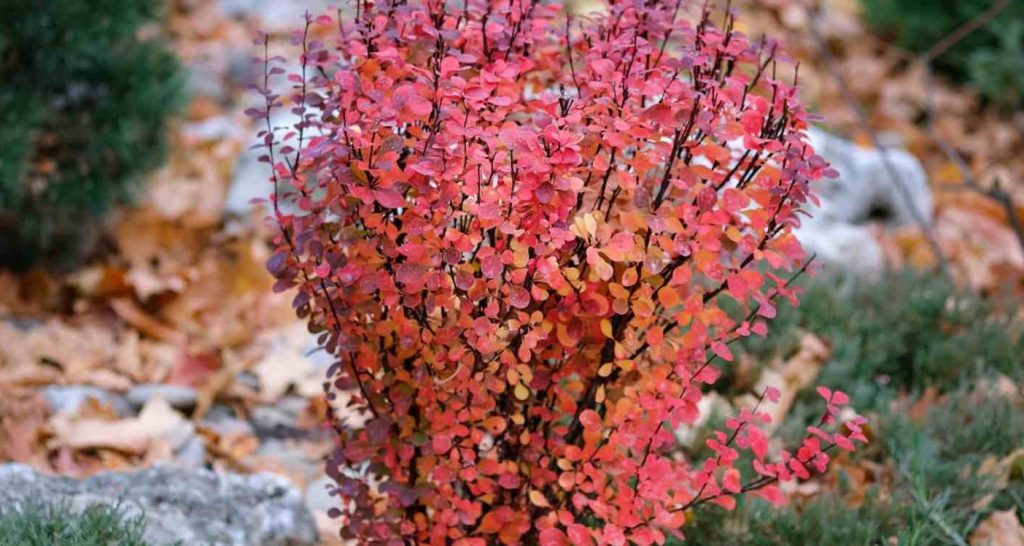
Not all Barberries wear the same coat, and picking the right one made a big difference for me. For a friend who wanted a super low hedge, we picked ‘Green Carpet’ because it stays compact and looks crisp trimmed. I went with ‘Crimson Pygmy’ for its vivid red that brightened up dull autumn days—watching it glow against the gray sky became a simple joy every year.
Here’s a tip from experience: don’t just ask for the “Barberry” at the nursery—ask to see what the mature plant will look like in your climate. Best nurseries will often have pictures or samples of mature foliage and growth form. If they don’t, keep shopping. Your hedge’s personality starts here.
How I Planted My Barberry Hedge—What Worked and What I Learned
Spacing is where theory meets reality. The advice usually says 18-24 inches apart, but honestly, I found that if you plant too close and aren’t prepared for the maintenance, it becomes a jungle fast. I settled on 2 feet apart, which gave me a dense barrier within the first two seasons without overwhelming me with pruning work. It’s a good middle ground for beginner gardeners who want quick results but don’t want to get stuck in a hedge prison.
Soil prep might sound boring but it’s absolutely key. The first year, I made the mistake of planting right into compacted soil, and the plants struggled more than they should. Loosening the soil with a garden fork and mixing in some organic compost made all the difference. Even though Barberries tolerate difficult soils, they thrive best when you give them some breathing room.
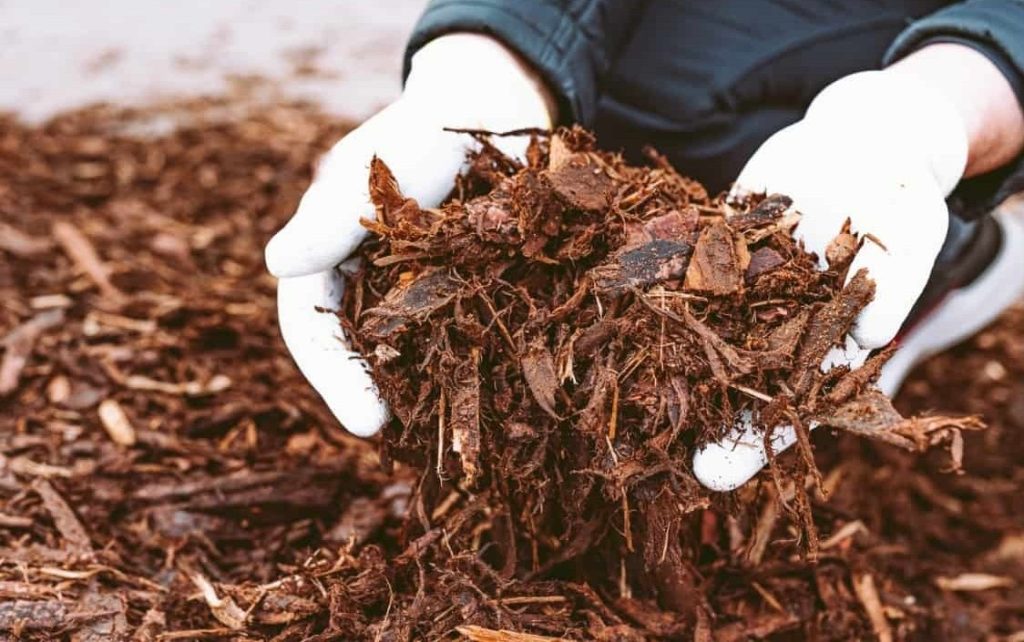
Here’s an insider trick: mulch like your hedge’s life depends on it (because it kind of does). A 3-inch layer of bark chips worked wonders to hold moisture and keep weeds from stealing nutrients. And the smell of fresh mulch somehow makes the whole gardening experience feel like a mini-retreat instead of a chore.
Watering and Pruning—Balancing Act to Keep Your Hedge Happy
Barberries need consistent moisture when young, but I learned not to overdo it. Early on, I dumped water daily, thinking more was better, until I noticed some leaves yellowing and drooping. Dialing back to watering once or twice a week depending on rain and heat felt just right. The plant’s pretty stubborn and once its roots take hold, you can ease up.
Pruning can be intimidating, but with Barberries, you can be bold. I gave mine a hard pruning in early spring after the first year, and it bounced back with thicker, bushier growth—a classic “less is more” scenario. And regular light trims during the growing season keep the hedge tidy without stress. If you’re nervous about hacking away, remember: these plants practically dare you to prune them hard.
Real Stories That Stick With Me
- Privacy and Pet Control: My friend Sarah’s experience still stands out. She planted 15 ‘Crimson Pygmy’ shrubs along her fence line spaced 2 feet apart, and within two seasons, it created a brilliant red wall of privacy. Her dogs stayed safe inside, and I swear her backyard felt like a secret garden.
- Natural Security: Tom, a neighbor, used ‘Green Carpet’ Barberry on his driveway. He kept the hedge just short of 3 feet with regular pruning so people wouldn’t even think about stepping over. The sharp thorns worked wonders as a deterrent, and it looked sharp year-round, blending well with his modern exterior.
- Aesthetic Border Magic: My other friend Jane mixed purple and green-leaf Barberries to line her garden path. The interplay of color was unexpected but stunning. It made her walkway feel cozy and deliberate—almost like a path through a secret forest.
Watch Out for These Subtle Hurdles
Slow growth can be frustrating, especially when you’re eager for instant results. The biggest culprit is usually too much shade or inconsistent watering—Barberries want that 4-6 hours of sun, so if your hedge is struggling, shifting to a sunnier spot or thinning out nearby trees can help. Also, avoid soggy soil; these plants don’t like “wet feet.”
Pests tend to be minor but can annoy you—aphids might settle in during warm seasons, and mild powdery mildew creeps in if the air is stagnant. What worked for me was using insecticidal soap made from natural ingredients, and being mindful not to water overhead.
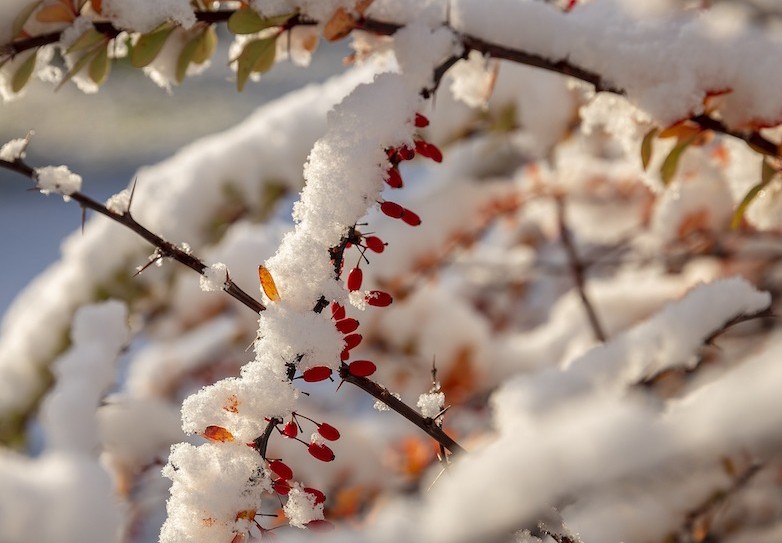
Winter damage can surprise folks too. Mulching root zones generously and planting on the leeward side of buildings or fences helps protect the bushes from harsh windburn or frost crack. I learned this the hard way after a particularly cold winter.
Starting Your Barberry Hedge Doesn’t Have to Be Daunting
If you’re standing in your yard wondering where to even begin, start with a simple sketch of your hedge line and count how many plants you need—you don’t have to get it perfect, just approximate. Then head to a quality nursery and have a chat with someone there about what varieties do best locally. A little ground prep and consistent watering in the first season will tip the scales in your favor.
Gardening is a journey, and your Barberry hedge will grow up alongside your skills and patience. Expect some trial and error, but know that this is a shrub that will forgive most mistakes and still reward you with color, texture, and security.
In fact, I often tell friends that planting a Barberry hedge is like inviting a reliable old friend into your garden—one who doesn’t ask for much but shares a lot of beauty and protection in return. If you give it the basics, it’ll become a defining character of your outdoor space for years to come.