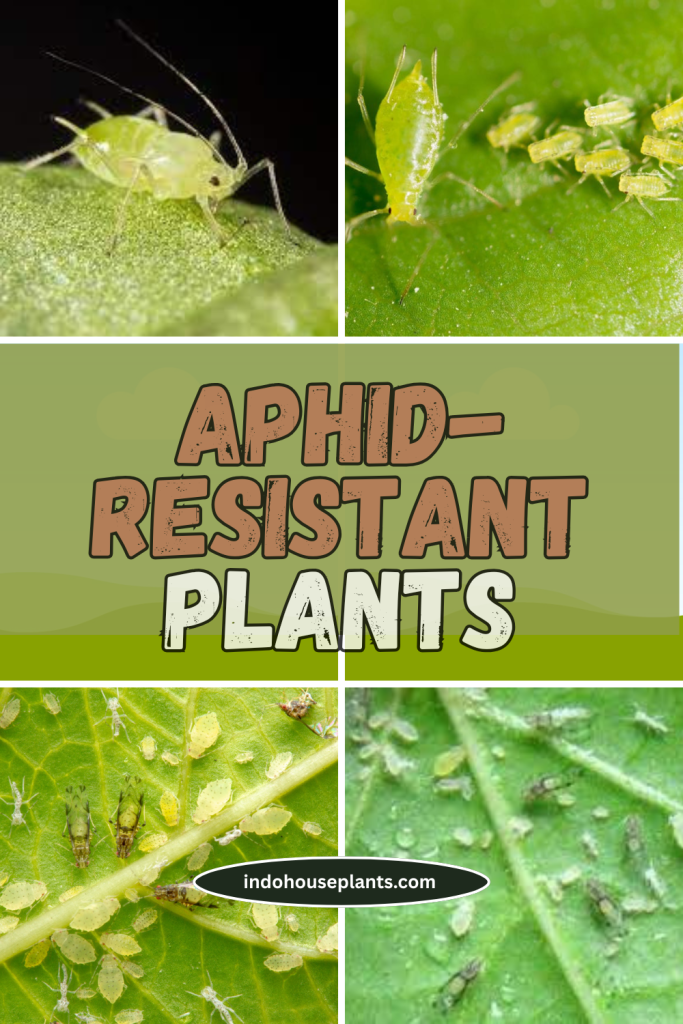
I know firsthand how demoralizing it feels to walk out to your garden only to find your plants practically drowning in aphids—those tiny green or black nuisances that seem to appear overnight and suck the life right out of your veggies and flowers. That’s why I’ve become a strong believer in starting with aphid-resistant plant varieties. It’s like giving your garden a built-in defense system so you don’t have to wage a constant battle with sprays and interventions. Here’s what I’ve learned from years of trial and error.
Why Aphid-Resistant Plants Are a Game-Changer
Aphids aren’t just pesky; they transmit viruses, stunt growth, and turn your once-vibrant plants into sad, wilted versions of themselves. But some plants have quietly evolved traits that frustrate aphids on a chemical and physical level—like hairy leaves that make it tough for aphids to grip on or naturally bitter compounds that decide aphids have better places to feed.
What most people don’t realize is that these resistant traits don’t just reduce aphid populations—they also improve the overall resilience of your plants by reducing stress and damage. I came to appreciate this when switching to the tomato variety called ‘Legend.’ It has fuzzy leaves that somehow feel like an aphid repellant, and from my experience, it gave me way fewer headaches compared to smooth-leaved tomatoes I’d tried before.
Varieties That Have Worked Wonders in My Garden
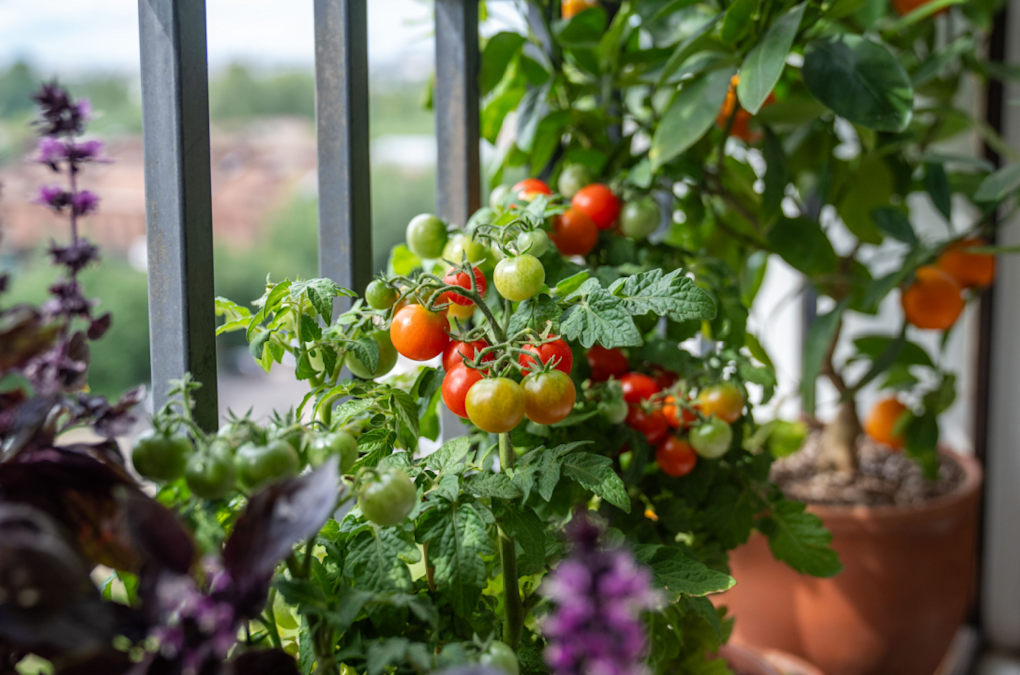
Here’s a snapshot of what you might want to try—and why I trust them:
- Tomatoes:
‘Legend’ is my personal favorite. The hairs on its leaves aren’t just decorative; aphids struggle to feed on it, which means less pest drama and a tastier harvest. ‘Celebrity’ also does well, with a natural tolerance that really shines in humid climates where aphids thrive. - Lettuce:
I used to swear by ‘Buttercrunch’ after watching aphids barely touch its thick, crisper leaves, compared to flimsy leaf lettuces where aphids threw tiny parties. - Beans:
‘Kentucky Wonder’ pole beans have this rugged texture that seems to make aphids think twice—maybe it’s the tougher skin or the plant chemistry, but it translated to less infestation in my raised beds. - Cucumbers:
‘Marketmore 76’ comes from a line known for thicker, waxier leaves that aphids find unappealing. I remember the year I switched to it, I hardly had to spray once. - Flowers and Herbs:
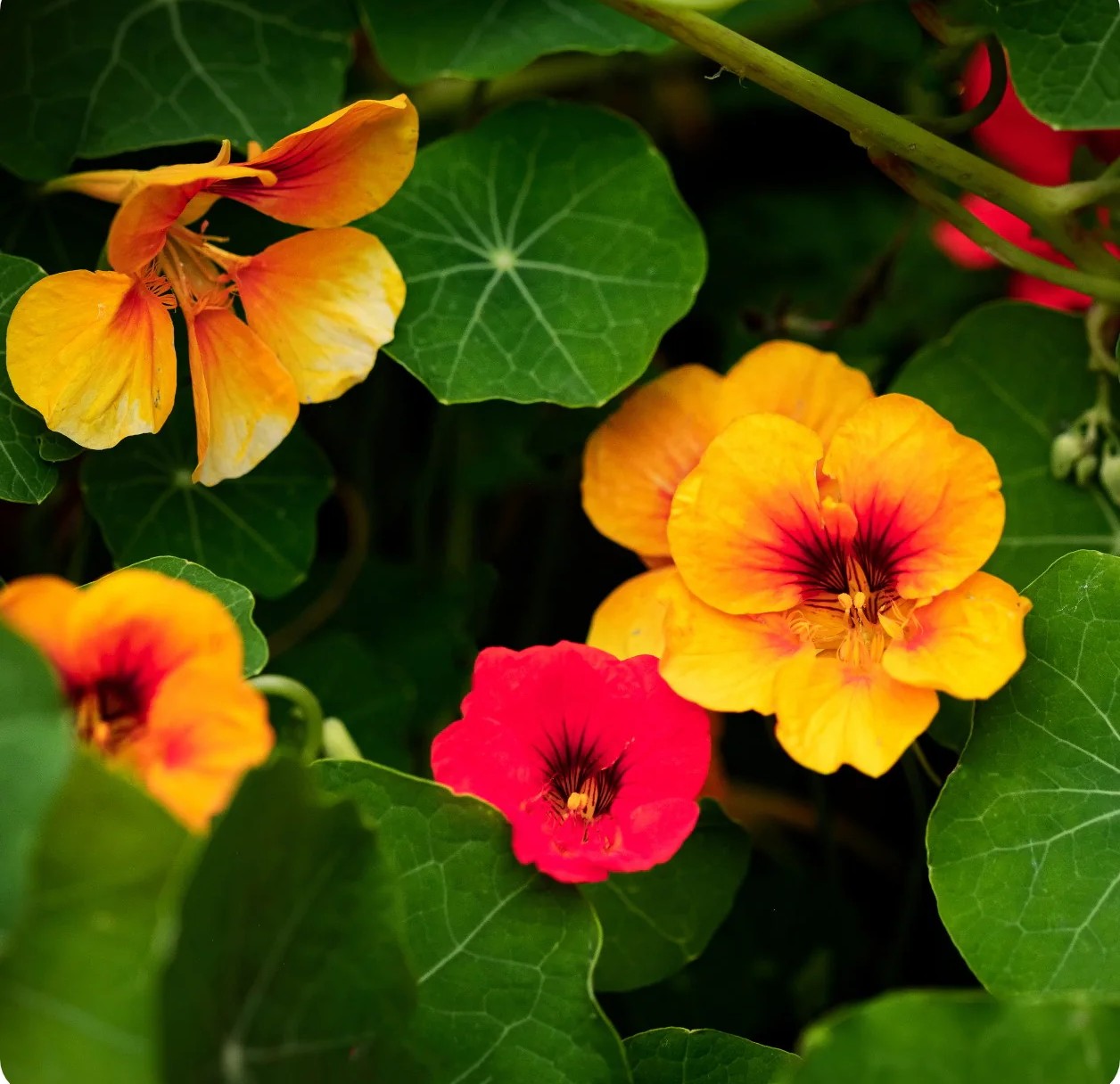
Marigolds and nasturtiums are the unsung heroes in my garden. Marigolds’ strong scent is like an aphid alarm bell, and nasturtiums act as literal decoys, drawing pests away from more delicate crops. Plus, planting basil and rosemary nearby seems to confuse aphids—they hate those aromatic oils.
How I Make These Varieties Work Together
Just planting a resistant variety doesn’t mean you’re immune to aphids. What’s helped me tremendously is weaving these plants into a diverse mini-ecosystem. Here’s what I do:
- Mix and Match: I avoid monocultures like the plague. Instead of a whole row of susceptible plants, I intermix aphid-resistant varieties and “trap plants” like nasturtiums that draw aphids away. This diversity trips aphids up, making them less likely to settle en masse.
- Keep Plants Healthy: Aphids love weak, stressed plants. I focus on good soil health by adding compost regularly and monitoring irrigation carefully. Overwatered or nutrient-starved plants are aphid magnets.
- Weekly Vigilance: Even the most resistant variety can get a few aphids. I spend just five minutes a week inspecting leaves, especially the undersides. When I spot aphids, a quick blast of water or hand removal nips problems in the bud before they explode.
Stories From My Garden to Yours
One summer, my tomatoes were barely alive with aphids until I switched to ‘Legend’ and planted marigolds as a border. The difference was night and day. Aphid numbers were way down, and the tomatoes actually ripened with less fuss and more flavor. I felt like I’d cracked a secret code.
Another year, I companion-planted buttercrunch lettuce with nasturtiums, watching the nasturtiums become the aphid playground while my lettuce remained crisp and aphid-free. It’s a simple trick, but it saved me from chemical sprays and frustration.
Still Seeing Aphids? Here’s What To Do
Don’t let a few aphids throw you off—resistance is about minimizing problems, not magically erasing pests. If you catch aphids early, a strong jet of water from the hose or a gentle wipe with your fingers works wonders. Over time, I’ve learned that introducing ladybugs or lacewings creates natural pest control assistants who patrol my plants daily.
One unexpected tip: avoid feeding your plants with high-nitrogen fertilizer during peak aphid season. I used to think more fertilizer meant stronger plants, but excess nitrogen encourages tender new growth aphids absolutely love.
Your Garden’s Secret Weapon
If you’ve wrestled with aphids and felt stuck, trying these aphid-resistant varieties mixed with some companion planting might just be a breath of fresh air. They won’t guarantee a pest-free Eden but will significantly tip the scales in your favor—reducing stress, spray use, and wasted effort.
My advice: start modestly. Pick two or three of the varieties mentioned above that suit your climate and gardening space. Plant them alongside some companion plants like marigolds or nasturtiums. Establish a weekly habit of checking on your garden. You’ll be surprised at how these nature-inspired strategies work together to create a resilient, flourishing garden.
There’s a quiet satisfaction in seeing plants thrive with fewer pests and less fuss, and that’s exactly what aphid-resistant varieties can bring to you. Take it from someone who’s been there: it feels like finally having an ally in the garden war, letting you spend more time enjoying growth and less time battling tiny invaders.