Bringing plants into a pet-filled home can feel like walking through a minefield when you’re not sure what’s safe and what’s secretly a danger to your furry sidekicks. Years ago, I learned the hard way after my tabby, Olive, decided to sample a mystery leaf off a friend’s housewarming gift—turns out, that lovely dieffenbachia belonged firmly on the “never bring home” list. Since then, I’ve become that friend who always double-checks the plant tags and cheerfully yells “No lilies for me, thanks!” at garden shops.
Most lists just give you plant names and a thumbs-up or down. Let’s go deeper—real tips from someone who’s kept both pets and plants alive for years (trust me, that’s a feat). Here’s what I wish someone had told me before I filled my apartment with leafy roommates and rescue animals.
My Ride-or-Die Pet-Safe Plants (With True Tales)
1. Spider Plant (Chlorophytum comosum)
These are the “starter sourdough” of houseplants—everyone should try one. The way those baby spiderettes dangle down is irresistible to both new plant parents and curious cats (see: Olive above, who thinks they’re cat toys).
The key? In my place, they’re in bright bathrooms and, no joke, I’ve forgotten to water them for weeks—no drama. If you have a window and a forgetful streak, this is your plant.
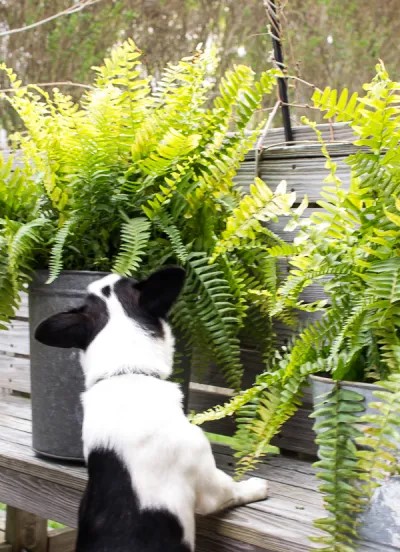
2. Boston Fern (Nephrolepis exaltata)
I once watched a 12-pound dog leap repeatedly to snag fern fronds—zero issues besides some missing leaves. Boston ferns are happiest in a misty corner—think, “would a rainforest frog thrive here?”
If your heating dries the air, set this on a tray of pebbles and water for a cheap humidity hack. Hanging baskets are your friend if your pets are part-goat.
3. Prayer Plant (Maranta leuconeura)
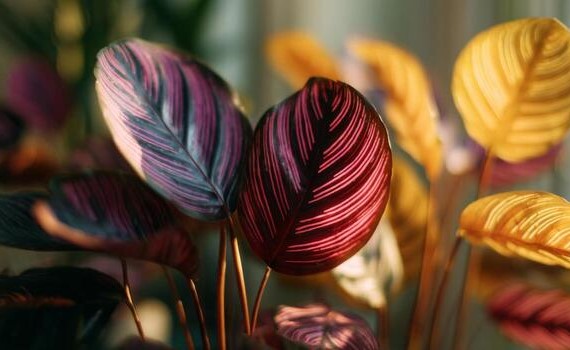
Magic, honestly—every evening my prayer plants close up, as if someone’s whispered a tiny bedtime story. I’ve kept these in rooms with both dogs and a rabbit who loves surprises.
Nobody’s gotten sick, and the wild leaf patterns jazz up boring shelves. I’ve found prayer plants will forgive you for inconsistent watering if you give them a humid spot.
4. Areca Palm (Dypsis lutescens)
Everybody says “pet-safe palm,” but few mention how tough these are. My areca palm survived a topple from a galloping labrador and kept on trucking. Fills that empty corner with “I’m on vacation” energy.
They don’t like being soggy—my trick is to stick a finger in the soil every week, water only if it feels dry.
5. Calathea (Calathea spp.)
Full disclosure: Calatheas are the drama queens of the plant world. They sometimes sulk when you use hard tap water (leaves curl or brown). Use filtered water or leave tap water out overnight—old-school planty wisdom that works.
But their safe-for-pets status means you get to enjoy those insane stripes and patterns without worrying if your Maine Coon nibbles them.
6. Peperomia (Peperomia spp.)
Almost impossible to kill. I gifted a Peperomia to a friend who once managed to drown a cactus, and two years in, it’s still kicking. Many of them look like little rubbery pucks or have watermelon stripes.
Good for those who want a desktop buddy that won’t mind if the dog knocks it over (again).
7. Hoya (Hoya carnosa and kin)
Hoyas are the unsung heroes. Their waxy leaves are beautiful, and when they bloom, it’s like a secret reward for patience. My senior dog used to nap under the trailing vines—no ill effects, just occasionally a tangle of leaves in her fur.
Here’s What Most People Don’t Know
- A lot of misinformation floats around—Reddit, Pinterest, and even some plant shops recycle outdated lists. I trust the ASPCA database above all, and cross-check before buying anything new, especially those “rare” finds from plant swaps.
- Just because a plant is labeled “non-toxic,” that doesn’t mean it’s edible in bulk. Some pets have salad cravings; if yours does, stick with cat grass or catnip as a decoy.
- Several pet “safe” plants have evil twins: for example, pothos (toxic) masquerade as spider plants (safe) to untrained eyes. Ask for the Latin name at the nursery—if they can’t answer, find a shop that can.
- Don’t overlook orchids or African violets—people assume all blooms are risky, but these are safe bets for homes that need a pop of color.
Fast Troubleshooting: What to Watch For
If your pet is especially “herbivorous,” invest in floating shelves or hanging planters. Sometimes, when my foster kittens are in zoomie-mode, all my trailing plants go up high until the phase passes.
If you ever catch a pet snacking, watch for drooling, vomiting, or acting just “off.” Even safe plants can upset a tummy in large amounts—the same way too much grass does.
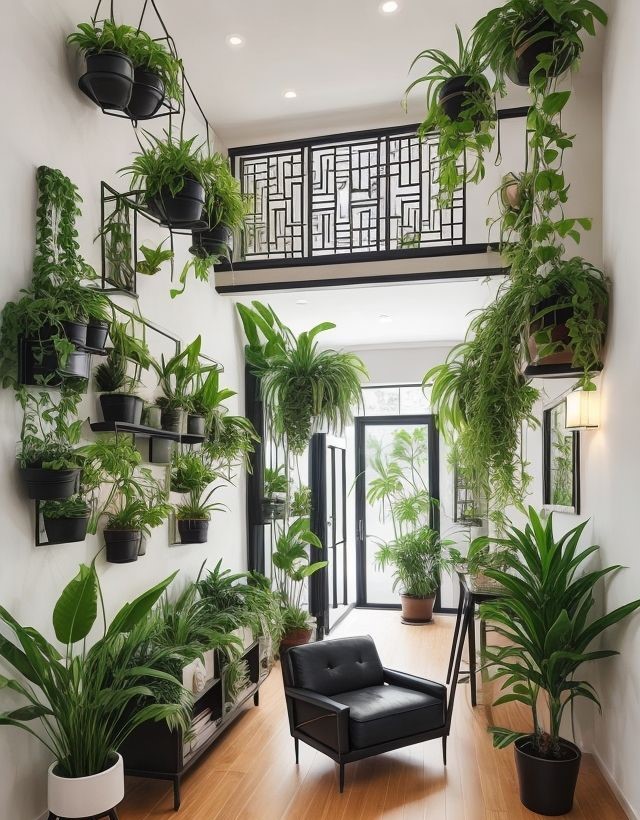
A Few More Tried-and-True Favorites
- Baby Rubber Plant (Peperomia obtusifolia): The workhorse of safe houseplants. Glossy leaves, not fussy.
- Parlor Palm (Chamaedorea elegans): Grows slow but steady—great for windowless offices.
- Ponytail Palm (Beaucarnea recurvata): That big bulbous base? It’s for water storage—ideal for forgetful waterers.
- African Violet, Moth Orchid: Both add color and are low-profile enough for window sills that cats nap on.
Before You Buy—My Checklist
- Check the scientific name (not just the common name; nurseries love to play fast and loose here).
- Cross-verify with the ASPCA Toxic & Non-Toxic list.
- Consider the watering and light needs—my rule: if I can’t commit, I choose the hardiest option available.
- For chronic chewers, cat grass pots work as a sacrificial snack—keeps your prized plants safe and your cat happy.
- Join your local plant group or community garden—they have the best “it happened to me” stories.
Nothing beats the peace of mind that comes from knowing your lush new plant isn’t plotting against your four-legged family. I’ve learned over the years that the best pet-pet plant combos are built on a little research, some trial and error, and a willingness to laugh off the occasional toppled pot.
You absolutely can have a jungle and a safe, happy home—with a little elbow grease and the right info, the only thing your pets will get from your houseplants is a good spot for sunbathing.
Questions about a weird plant you just saw at the market? Need low-light, totally unkillable options? I’ve been there—just ask. There’s a perfect green friend for every pet and plant-parent combo out there.