When I hear someone say, “I shouldn’t bother with indoor gardening—I always kill my plants,” I flash back to my own first basil plant sitting on the windowsill, pitiful and yellowing because I was convinced more water meant more growth. Spoiler: It didn’t survive. But that failure taught me something crucial that most new gardeners overlook: indoor gardening isn’t really about following instructions perfectly—it’s about learning to pay attention, bit by bit, to how your environment (and your habits) shape another living thing.
What most people don’t realize is how much our psychological wiring influences whether we end up with a lush window garden or a row of brown twigs. Let’s pull back the curtain on why indoor gardening works—not just as a hobby, but as an exercise in training your attention, tweaking your routine, and building confidence through tiny victories.
Why Starting With One Plant Actually Works
Here’s what most people miss when they’re starting out: picking just one easy plant isn’t just lazy or minimalist—it’s psychologically strategic. From my experience, when you commit to caring for one tiny patch of green, you lower the stakes and reduce overwhelm. You’re not fighting guilt over a shelf full of dying plants; you’ve got one responsibility.
That small focus makes it easier to observe changes—what healthy leaves look like, how quickly soil dries out—which builds real confidence faster than any amount of Googling.
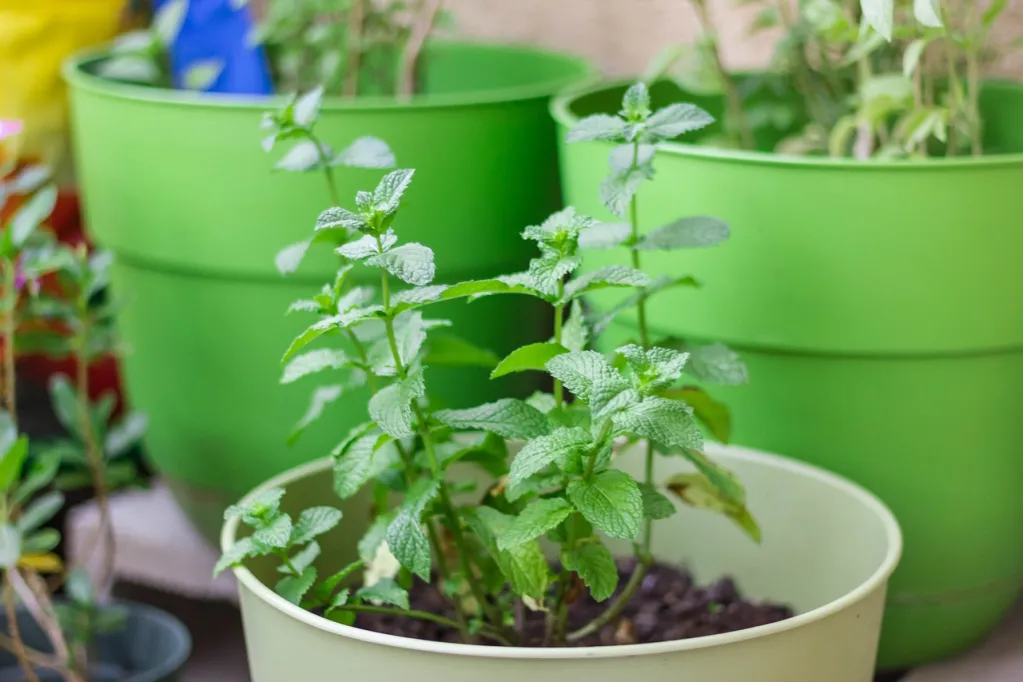
Years ago, after too many failed starts with seed trays and grand edible “urban farms,” I adopted this single-plant method out of frustration. My success rate? Night and day difference. One thriving mint plant (which survived long periods of neglect) did more for my belief in myself than all the Pinterest-perfect setups combined.
Real-World Examples—and Their Unspoken Lessons
Let me tell you about Jamie’s windowsill basil (from above): what worked wasn’t just the bright spot or ceramic mug—it was setting weekly reminders on his phone to check in. He designed his environment so success was nearly automatic. This is a sneaky trick behavioral scientists call “cue-based habit forming”—if you tie plant care to something else you already do (like making coffee), it morphs from “yet another chore” into an integrated ritual.
With Rina’s pothos and her sticky-note on the remote? That hack does two things: it externalizes memory (so she doesn’t have to mentally track when she last watered), and it links action (“turn on TV”) with care (“check the plant”). Building these micro-associations is way more impactful than relying on willpower alone.
A common mistake I see? People think enthusiasm will carry them past forgetfulness or busy schedules—but it fades fast if the setup doesn’t fit their life as-is. Gardening success has less to do with “green thumbs” and more to do with clever self-reminders and forgiving plants.
Supplies and Set-Up: The Mindset Shift
Don’t get hung up feeling you need fancy planters or expensive soil blends—what matters psychologically is removing barriers between “intention” and “action”. Back in 2019, I finally stopped putting off starting a new plant by buying whatever pot was closest at hand and forgiving myself for the lack of aesthetics.
Let yourself be scrappy at first! The act of doing anything—even planting seeds in an old yogurt cup—is a bigger mental shift than waiting until everything feels picture-perfect.
Pro-tip: If you want bonus points for future-you, use self-watering pots; they take away a layer of worry for forgetful days (a lifesaver during rough work weeks).
Light Matters More Than Most People Think
From years spent fiddling with every window ledge in three different apartments, here’s what I’ve learned: light is everything for beginner success. Most folks underestimate how weak even “bright” indoor light can be compared to outside—you need that south-facing window if possible.
If your space just doesn’t get enough natural sun (hello shady courtyards!), don’t feel guilty snagging an LED grow bulb (like this one) for under $20. There’s no shame in artificial help; sometimes resilience means admitting when conditions aren’t ideal—and compensating anyway.
And yes—the sunlight-cereal analogy fits perfectly; most leafy herbs pout without enough morning rays. If your basil gets leggy or flops toward the window after two weeks? You didn’t fail; your setup needs tweaking. Even seasoned gardeners move their pots around three times before finding what works!
Watering Routine: Listening Over Scheduling
One lesson that took me years—and several tragic overwatered ferns—to internalize: Your finger is smarter than any calendar app when it comes to watering logic. Plants don’t run by clockwork; they follow temperature swings, humidity shifts—even subtle things like drafts from heating vents.
What worked for me was building a feedback loop: each time I checked soil moisture before watering instead of assuming set days would work for every plant or week. Not only did my survivability rate go up, but I started noticing broader patterns (less thirsty in winter darkness; bigger gulps needed during spring growth spurts).
Pro-tip from experience—if you travel often or tend toward forgetfulness, invest $5–$10 in moisture meters from local nurseries or Amazon—they’re like training wheels while building your instincts.
Overcoming Bumps Without Guilt
Here’s an unpopular truth: Everybody loses plants now and then—even those who are obsessed! What matters is reframing these moments as experiments rather than personal failures.
Whenever mold cropped up on my soil—probably eight separate times—I’d jot down what changed recently (new location? overzealous watering?). Only then could I gently adjust rather than declare defeat.
A common mistake is letting embarrassment stop you from asking questions at nurseries—they want beginners to succeed! From my experience talking shop owners into sharing their best troubleshooting tips often unlocked tiny tweaks (like propping up pots to improve airflow) nobody mentions online.
Celebrating Small Wins
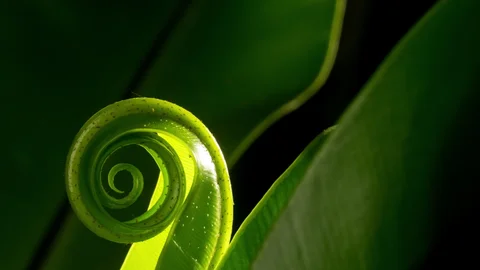
It’s easy to overlook this part—but noticing your first leaf unfurling unlocks legitimate dopamine hits in the brain—that sense of progress sharpens motivation much better than berating yourself over wilted leaves ever could.
Back when my spider plant survived its “dry spell” thanks only to discovering its resilience online rather than tossing it out—I felt absurdly triumphant watching those first baby shoots appear again weeks later! That sensation powers your next experiment far more reliably than reading endless care guides ever will.
The Psychological Secret Sauce
The biggest hidden advantage of indoor gardening isn’t fresh pesto or visual beauty—it’s that moment-to-moment feedback loop between what you do today (“Did I water?” “Should this leaf look yellow?”) and what blossoms tomorrow…or next week…or next month.
This rhythm pokes at something deep inside us—a blend of curiosity, nurturing impulse, and gentle accountability. Tuning into that energy is where real transformation happens—not just on your windowsill but inside yourself too.
So here’s my challenge:
- Say yes even if you’re skeptical.
- Start small.
- Experiment shamelessly.
- Celebrate messy progress.
Before long you’ll look up—noticing not just healthier plants but also new ways you’ve learned how problem-solving works best for you, not just some generic gardener online.
Ready? Go pick your first plant—the worst case scenario is learning something new about yourself along the way.
And trust me—from someone who once drowned a cactus—if I can figure this out, you absolutely can too.