When I first got into agricultural plant styling, it felt like uncovering a secret language that plants speak—a way to partner with nature rather than just letting crops grow however they want. It’s not just about making things look neat; it’s about actively guiding your plants so they thrive in ways that truly matter: more sunshine on their leaves, breathing room to fight off diseases, and a setup that actually makes harvesting a joy, not a chore.
What Agricultural Plant Styling Really Means
Think of it as crafting the ideal living environment for your crops. Imagine you’re a tailor, but instead of fabric, you’re shaping branches, vines, and leaves. This isn’t flower arranging—this is crop sculpting with a purpose. Every snip and tie has a point, from pruning to reduce wasteful energy use, to training plants upwards so that sunlight hits every leaf, to spacing plants just right so they don’t suffocate each other.
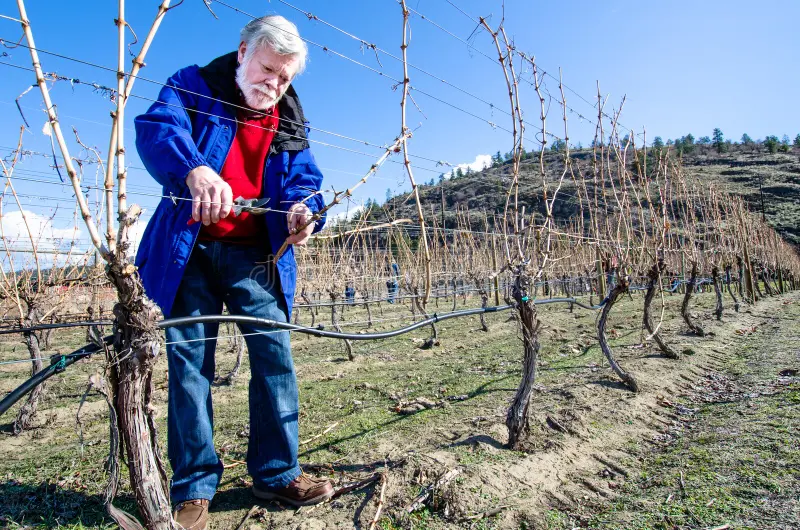
For example, early in my vineyard days, I watched as seasoned growers worked their vines like artists. They’d carefully prune off crowded shoots in late winter to open up the canopy—letting sunlight drench the grapes without scorching them—and would tie shoots along trellises so clusters never competed for space. The difference was eye-opening: healthier plants, bigger harvests, and a vineyard that looked like it was thriving, not just surviving.
Why Styling Plants Is More Than Aesthetic
Here’s the thing that surprises most beginners: well-styled crops don’t just grow better because they’re “neat.” It’s science in action:
- Sunlight is the fuel — if you let plants grow wild and dense, lower leaves get starved of light and die off early, which stunts growth.
- Airflow stops trouble — many fungal diseases thrive in stagnant, damp conditions. When your plants have space, their leaves dry faster after rain or dew.
- Harvesting becomes practical — imagine picking tomatoes tangled on the ground versus neatly staked vines: which would you prefer? The clean, tidy method reduces bruised fruit and wasted time.
- Quality and quantity both improve — growers who invest time in plant structure usually reap more fruit and far better tasting produce.
Where to Start? Lessons From My Early Mistakes
Starting with a new crop can feel overwhelming—I remember staring at my first tomato seedlings wondering “How do I even begin?”
- Pick a crop you care about—I started with tomatoes because I loved fresh salads. That kept me motivated through trial and error.
- Research crop-specific tips—I learned that tomatoes prefer vertical staking or cages to keep fruit clean. Grapes, on the other hand, thrive on trellises and need winter pruning.
- Don’t underestimate your environment—your soil, climate, and available tools shape what’s possible. On hot, humid days, good airflow is critical, so spacing things out helped me dodge mildew.
- Start small and experiment—I pruned just a few tomato plants at first and watched how they responded. It’s okay to make mistakes—you can’t permanently harm most plants by cautious pruning.
For a deeper dive, check out this pruning guide from the University of Minnesota Extension.
Real-World Snippets That Changed My Practice
- In my backyard, switching from letting tomato plants sprawl on the ground to staking them reduced rot and made summer harvests much smoother. Plus, it was satisfying to see the plants stretch upward, almost like they were “posing” for me.
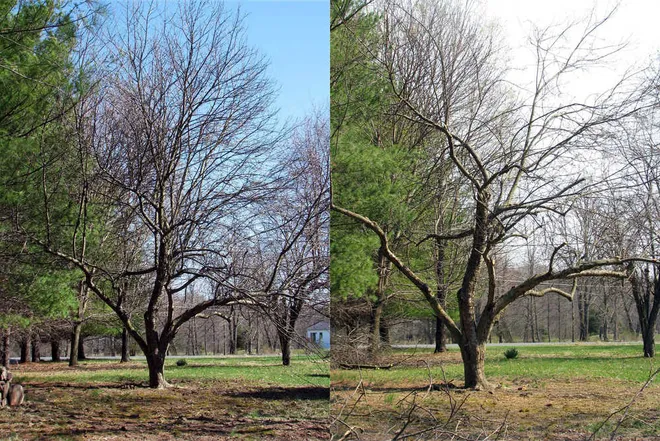
- Visiting a local apple orchard, I saw firsthand how winter pruning opened tree canopies, and the grower explained how thinning branches meant fewer small, low-quality apples and more big, juicy ones.
- In a vineyard workshop, I learned that tying vines to a trellis wasn’t just tradition—it controls how much sun each grape bunch sees, balancing sugar and acidity. That detail alone transformed my approach to grape care.
Overcoming Common Hurdles
One of the biggest stumbling blocks is the fear of “messing up” your plants. When I started, the thought of cutting a branch off made me hesitate. But here’s what most people don’t know: plants are remarkably resilient. The biggest damage is often done by ignoring problems rather than pruning carefully.
If you’re short on tools or space, don’t fret. Some of my earliest stakes were just sticks I found on walks, and twine from old packages. Innovation belongs here: a homemade trellis from recycled materials or simple string ties can go a long way.
Making It Personal: Why I Keep Styling My Crops
For me, agricultural plant styling became more than technique. It’s a way to connect deeply with the growth process and feel like a co-creator in the plant’s success story. Every healthy leaf or plump fruit is a reward not just of nature, but of mindful care. If you’re curious, you’re already on the path—I promise it gets easier and more rewarding as you go.
Your Next Actionable Steps
- Pick one crop that excites you—maybe those tomatoes, an apple tree, or even a vine.
- Search for specific pruning or training guides for that crop—videos help a lot because you can see the “why” behind each cut.
- Gather basic tools like pruning shears and stakes—nothing fancy needed.
- Try a simple styling task: prune a few crowded branches or stake a plant.
- Observe how the plant changes over the next few weeks. It’s fascinating how responsive they are!
With each step, you’ll notice your plants become healthier and your harvests better. Agricultural plant styling is a fusion of art and science, but mostly, it’s a conversation you have with your crops. Start that dialogue today—you won’t look back.