When I first brought home a Chilean Bellflower (Nolana paradoxa), I quickly realized that where you place this plant can make or break its charm. It’s not just about slapping it in a sunny spot—it’s about tuning into the plant’s personality and the quirks of your garden’s microclimate. Believe me, I learned this the hard way after one too many scorched leaves under brutal afternoon sun.
Here’s the inside scoop: Chilean Bellflower adores sunlight but isn’t a fan of getting roasted in the afternoon heat. A spot that catches gentle morning rays and then cushions it from the fiery afternoon is its sweet spot. In fact, placing it on the east side of a structure or fence usually hits this balance perfectly.
That morning sun is like a warm cup of coffee for the plant—energizing but not overwhelming.
One of my favorite setups is planting Chilean Bellflower in a hanging basket right outside a porch that faces east. The basket catches fleeting sun in the early hours, but by noon, the porch roof and nearby trees provide just enough relief. This arrangement keeps the bell-shaped blooms vibrant and prevents those crispy leaf edges that come with prolonged afternoon sun exposure.
The soil question trips up a lot of gardeners, but here’s what most people don’t know: tough clay or soggy garden beds are the enemy of Chilean Bellflower roots. I once had a patch where water pooled after rain, and the plant slowed down, looking sad.
The fix? I dug the plant up, mixed in a hearty handful of coarse sand and organic compost to lighten the soil, and replanted on a gentle slope. Almost overnight, it perked up and started trailing beautifully again.

If your garden doesn’t have naturally ideal soil, containers or raised beds are a total game-changer. They let you craft the perfect drainage mix. Plus, moving containers around to follow the sun pattern or to protect from harsh afternoon rays isn’t just convenient—it’s a way to keep your Chilean Bellflower thriving year-round, no matter the climate swings.
Don’t be afraid to experiment with placement. When my Chilean Bellflower was first looking leggy and sparse, I moved it gradually towards more morning sun, and soon it burst back into full bloom. On the flip side, if you spot brown edges, try letting taller plants or a shade cloth give your Bellflower a bit of shelter in those brutal summer months.
For those of us new to this, the Chilean Bellflower is surprisingly forgiving if you pay attention to these subtle signals. Starting with one plant near where you spend time—like a patio or near a window—helps you monitor it up close. Notice how it responds to sun and soil conditions day by day, and you’ll feel like you’re tuning in to its needs rather than guessing.
To get you rolling, here’s a quick checklist from my own experience:
- Scout for an east-facing patch that basks in at least 4 hours of gentle morning sun.
- Test your soil’s drainage by filling a hole with water and seeing if it drains out within 30 minutes. A guide on how to test your soil drainage can be very helpful.
- If the water sticks around, mix in some coarse sand or leaf compost to lighten the soil.
- Plant your Chilean Bellflower gently, water it well, and keep an eye for how it reacts in the first week.
- Don’t hesitate to reposition if you see signs of stress—sometimes a simple move is all it takes for the plant to flourish.
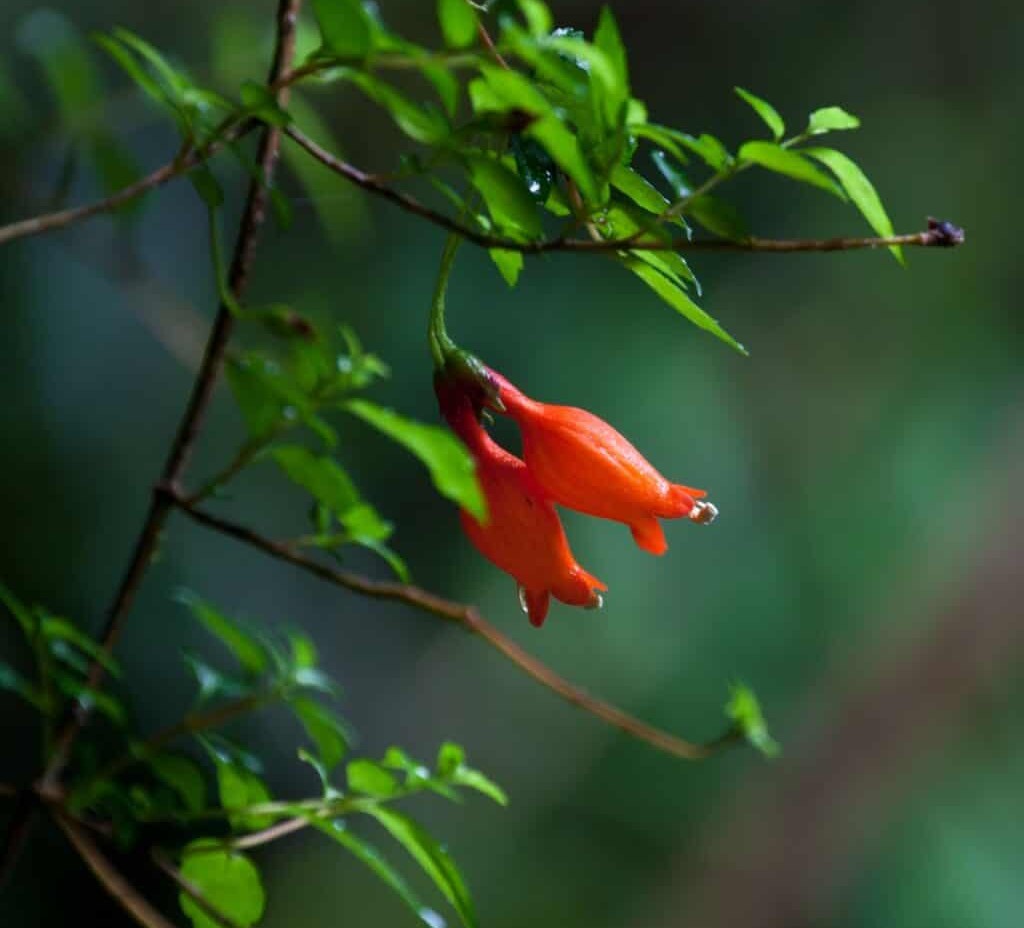
Getting placement right with Chilean Bellflower isn’t rocket science, but it’s about respect for the plant’s rhythm and a little trial and error. Once you find its niche, it rewards you with its trailing vines and delicate bell-shaped flowers that feel like a secret garden jewel. Honestly, watching it thrive in a spot that suits it feels like a small victory—and one that every gardener can savor.