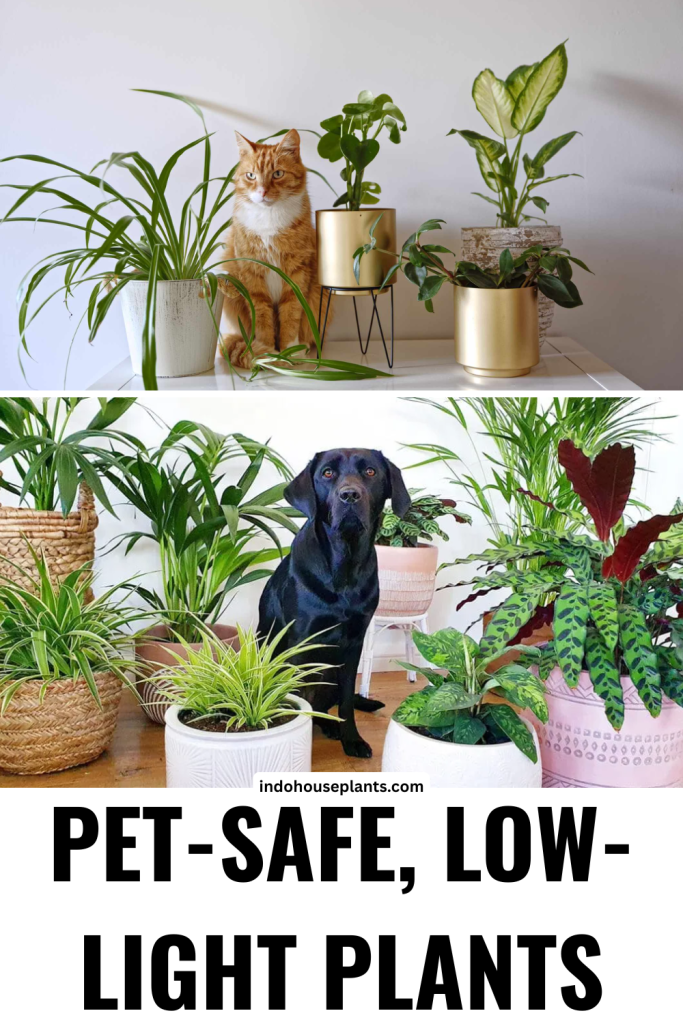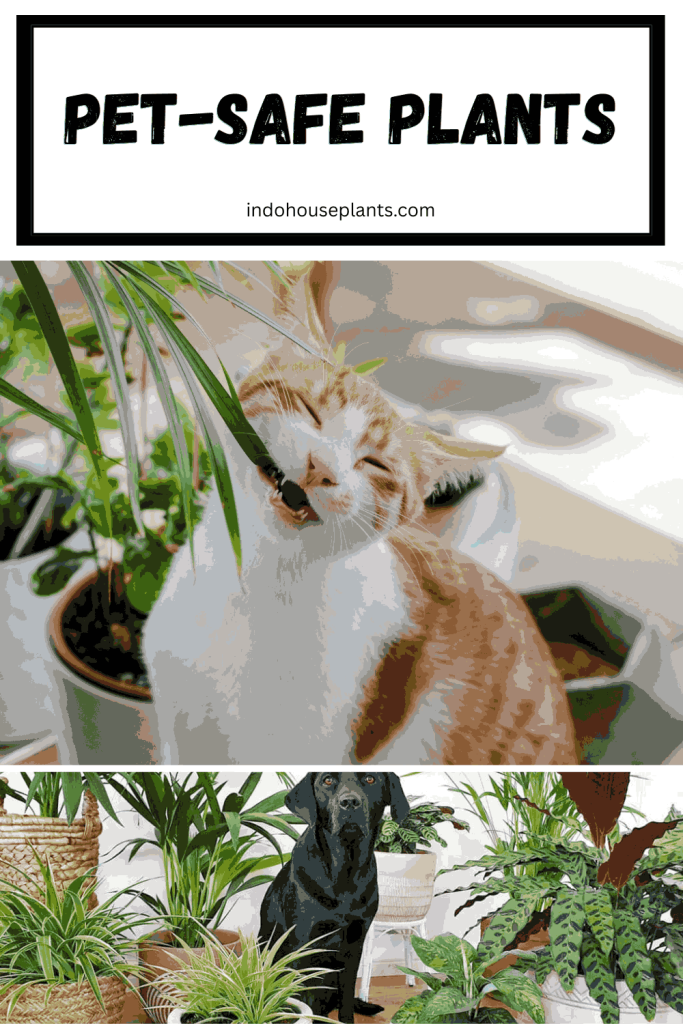
When I first moved into my shoebox apartment with a rambunctious tabby and a mouthy dachshund, I was honestly worried that a lush, pet-safe plant collection was just…out of reach. Between tight budgets and tighter space, the idea of a green, animal-friendly sanctuary felt like a Pinterest pipe dream. But as it turns out, with a bit of scrappiness and some lessons learned along the way, you can absolutely create your own leafy haven without spending much—or endangering your furry roommates.
Let me share how I’ve done it, and what most plant guides don’t tell you.
Step 1: Go Pet-Safe (and Don’t Trust the Garden Center Label)
One hard-earned trick: never rely solely on the “pet safe” label at big box stores. More than once, I’ve found toxic varieties mis-tagged—which nearly put my curious pup in danger. The real MVP is the ASPCA’s plant toxicity site. I leave it open on my phone when browsing anything leafy.
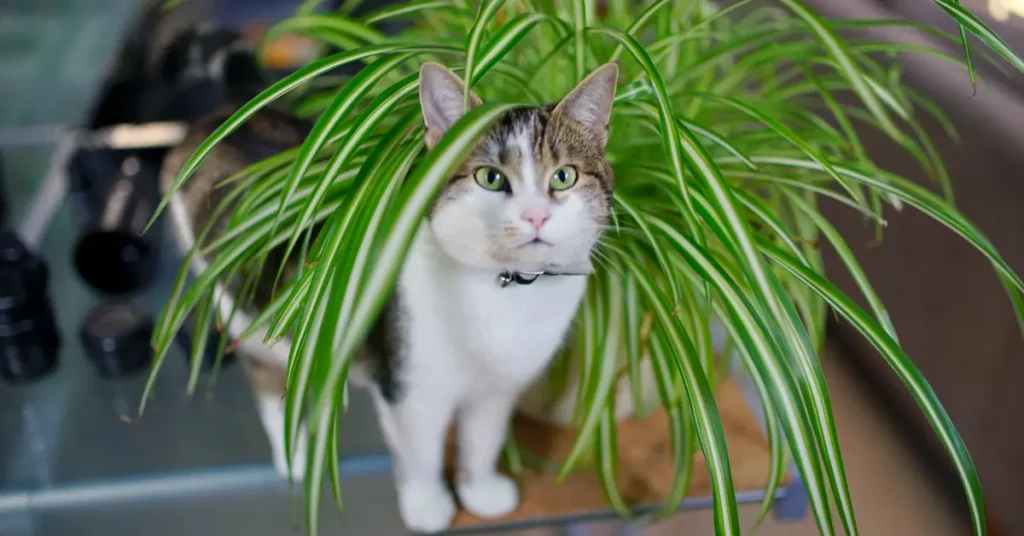
From trial-and-error and a few guilt-inducing pet vomit incidents, I swear by these easy, pet-safe options:
- Spider Plants: Practically indestructible. My cat chews on them like salad and never gets sick. They produce “pups” so freely, you’ll be running out of space before long.
- Boston Ferns: I keep mine in the bathroom—the humidity keeps it lush, plus the dog never thinks to look up there.
- Peperomias: Their waxy, funky leaves are a conversation starter. They don’t tempt my pets, which is a bonus.
- Areca Palms: These brighten up my dullest corner. Be wary though: palms look similar, but some (like sago palms) are toxic, so double-check species every time.
Here’s what a lot of new plant parents don’t realize: Many common “starter” houseplants, like pothos and philodendron, are surprisingly dangerous for pets. Knowledge is literally lifesaving here.
Step 2: Source for Free—But Get Creative
Most folks stop after asking friends for plant cuttings (which is great—my first spider plant was from a neighbor’s generous hand). But if your social circle isn’t overrun with green thumbs, there are some unconventional routes I’ve used:
- Facebook’s Buy Nothing and hyperlocal plant swap groups: The best cuttings I’ve received came from a grandma two streets over who left a box labeled “FREE FERNS” on her stoop.
- Covert Coffee Shop Ops: I asked the barista at my favorite café if I could adopt plant trimmings destined for the trash. Now, every few months, I swing by for an armful of cuttings—no purchase required, but I tip in pastries.
- Community Gardens: These are hidden goldmines. Last spring, I volunteered two hours and left with three baby calatheas and a pot of basil.
- Office Building Cast-Offs: Walk by a lobby and spot a half-dead pothos or fern? Ask the facilities staff if you can rescue a cutting before they toss it out. I once revived a whole peace lily this way (just beware, peace lilies are toxic, so that one lives high on a shelf).
And here’s what few realize: Even if you can only get your hands on supermarket herbs like basil, rosemary, or parsley, these are all pet-friendly—and nothing beats fresh herbs from your windowsill.
Step 3: Pots and Soil—Spend $0, Be Resourceful
Plant containers are where most people drop unnecessary cash. I’ve used everything from rinsed-out salsa jars to cracked soup bowls as homes for my greenery.
My favorite accidental discovery: the plastic containers strawberries come in work perfectly for starting seeds—drainage holes included!
Soil doesn’t need to be fancy. I’ve mixed dollar store potting soil with a handful of crushed eggshells (for calcium—thank you, Grandma!), and my spider plants have never complained.
Pro tip: If you’re ever short on soil, ask your local community garden if you can fill a bag or two from their communal pile. Just be sure to bake it at 200°F for 30 minutes to kill any pests (trial by fungus gnat taught me that lesson the itchy way).
Step 4: Grow Gradually, Layer for Impact
You do not have to go full jungle overnight (despite the Instagram temptation). I started with three rooted cuttings and a single fern, then added more only when I knew I could keep what I had alive.
Stack your plants at different heights—books, crates, unused kitchen racks—to make even a handful feel abundant.

My proudest hack: a busted coat rack became a multi-level plant stand, with ferns on top and trailing spider plants cascading down.
Here’s the funny thing: The “full” look comes from clustering—not quantity. When friends visit, they swear I must have 30 plants. I have 10, tops.
Step 5: Handle the Pet Curiosity Factor
If your cat is anything like mine, some plants are irresistible. While these picks are non-toxic, you still don’t want shredded leaves everywhere. Here’s what’s worked for me:
- Hanging baskets—Dollar store macramé and S-hooks are a godsend for curious felines.
- Tall bookshelves: Double-win—plants stay safe, and you reclaim floor space.
- Clear aquariums or terrariums: My rabbit can safely admire the greenery without munching.
And a little cat grass on the windowsill saved my spider plants from feline “pruning” attacks. Sometimes, pets just want their own salad bar.
If You Feel Stuck
Breathe. My first attempts flopped—root rot, gnats, chewed leaves—but you learn fast. The plant community online is ridiculously supportive. I’ve posted blurry photos for ID help and always found answers in hours, no judgment.
Ready to Start?
- Pick one or two pet-safe, starter plants to focus on.
- Message a handful of friends, neighbors, or local groups—ask for cuttings, offer a baked treat as thanks.
- Scavenge for quirky containers (coffee mugs and takeout tubs are plant chic, promise).
- Swing by a dollar store for soil, or ask a community gardener for a scoop.
- Root your first cuttings in water on the sunniest sill you have.
In a week, you’ll see roots. In a month, you’ll pot up your first new plant. And in a year, your green nook will be thriving, full of stories and the occasional chewed leaf.
You don’t need a fortune, a green thumb, or an Instagram-perfect home. All you need is a little curiosity, a few cast-off containers, and the confidence that every tiny cutting is a victory. Trust me—if my chaos-loving pets and I can do it, so can you.