
Tackling a bluegrass lawn for the first time felt like stepping into a secret club that I wasn’t quite sure how to join. But here’s what I found out after going through the ups and downs of growing Kentucky bluegrass in my northern backyard: it’s worth every ounce of patience and care. This grass isn’t just about looking good; it’s about building a living carpet that bounces back, stays green during cool seasons, and holds up when your kids or dog decide it’s their personal playground.
Why Kentucky Bluegrass Feels Like Home to Cool Climates
Kentucky bluegrass, or Poa pratensis if you want to get fancy, is the kind of grass that thrives when most other plants chill out. It loves those cooler temps—think 60 to 75 degrees Fahrenheit—and it’s why folks from Minnesota to Vermont swear by it.
One thing I learned the hard way: bluegrass spreads underground through rhizomes, kind of like an underground network of resilience. So if your pup digs up a section or a heavy rain wreaks havoc, the lawn has this natural “self-healing” power not many grasses boast. Most people don’t realize how much this can save you money and frustration down the road.
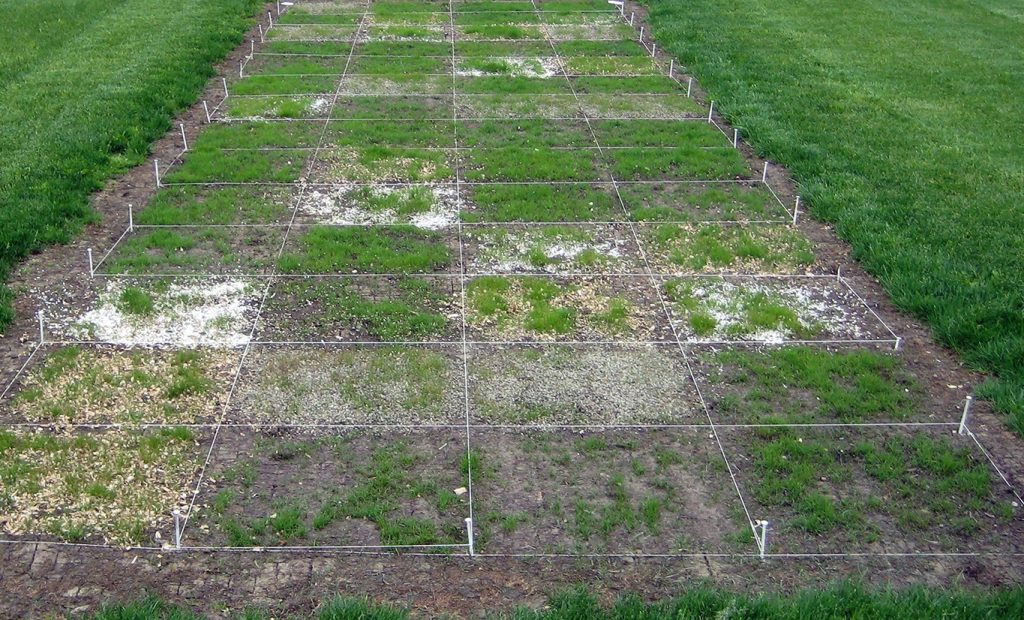
The Real Deal on Starting Your Own Bluegrass Lawn
When I first planted my lawn, I made the rookie mistake of assuming any “bluegrass” seed would do. Don’t do that. Your seed blend matters profoundly. I ended up mixing Kentucky bluegrass with perennial ryegrass on one side of the yard and just pure bluegrass on the other. Guess which side handled my kids’ soccer games better? The blend.
So here’s my advice for getting going:
- Seed Selection: Don’t pick blindly. Look for blends tailored to your USDA zone—if you live in the northern tier, lean toward higher bluegrass content. For extra durability, mixes with perennial ryegrass or fine fescue add that bounce and toughness.
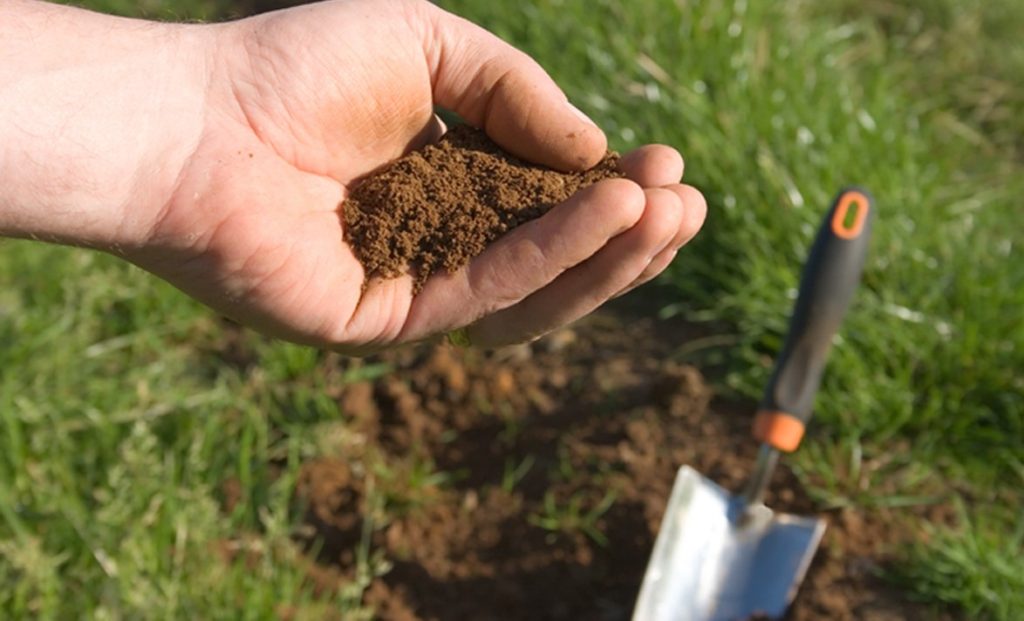
- Prep Your Soil Like a Pro: One of the most overlooked steps is soil prep. I bought a simple soil test kit for under $15 at my local garden center. It told me my soil was a bit acidic, so I spread lime about a month before planting. Bluegrass roots want good soil contact—they’re picky about it.
- Right Timing Matters: I planted my lawn in late August, which is the sweet spot. The soil was still warm enough for the seeds to germinate but the cooler air took stress off those fragile sprouts.
- Water Smart, Not Just Often: New bluegrass demands near-constant moisture but not sogginess. Deep watering twice a week encourages roots to dive deep and makes your lawn more drought-resistant later.
- Mowing Isn’t Just for Looks: I kept my mower blade razor-sharp to avoid tearing. A sharp blade makes a world of difference in how the lawn recovers.
Stories from the Trenches
- Sarah from Vermont: She shared how she’d struggled for years with patchy lawns before switching exclusively to a high-grade Kentucky bluegrass mix. Her secret? Patience and not rushing to fertilize too early.
- Mike in Ohio: His approach was to mix Kentucky bluegrass with perennial ryegrass because his kids’ soccer games literally turned his yard into a mini pitch. Winter wear and tear didn’t stand a chance.
- Lisa in Washington: She battled snow mold damage every spring until she started targeted spot reseeding with Kentucky bluegrass seed. By late summer, those patches looked like they’d been there all along.
Common Potholes and How to Navigate Them
- The Wait Game: Kentucky bluegrass germinates at a glacial pace if you’re used to fast sprouting grass. Keep that soil moist, and don’t let impatience tempt you to reseed too soon.
- Weed Ambush: Since bluegrass takes its time, weeds can gatecrash early on. A starter fertilizer with weed inhibitors made for new lawns can help.
- Thatch Trouble: After a year or two, you might notice a spongy layer at the surface. Aerate your lawn once a year to combat this.
- Drought Blues: Bluegrass is surprisingly tolerant of short dry spells, but deep watering once or twice a week during dry periods keeps it green.

You’ve Got This
One of the best parts about bluegrass lawns is the payoff: a lawn that’s more than skin-deep green. It’s a resilient foundation you can count on, a lawn that heals itself and stands up to real-world wear.
Next Steps to Your Dream Bluegrass Lawn
- Grab a soil pH test kit—trust me, you’ll want to know before you start.
- Hunt down a seed blend designed for your climate.
- Aim for late summer or early fall to plant when conditions are just right.
- Keep learning—there are tons of videos from real gardeners sharing their journeys on YouTube.
Stick with these steps, and in one growing season, you’ll have a lawn that doesn’t just look amazing but feels good to walk on barefoot.