What Acidic Soil Really Means for Your Garden
Soil pH isn’t just a number; it’s the stage on which your plants perform. Acidic soil, anything below a pH of 7, changes how plants absorb nutrients. This isn’t some dry chemistry fact—it’s why azaleas glow with color where other shrubs would fade, and why my blueberry bushes started pumping out fruit like never before.
Here’s what most gardeners don’t realize: acidic soil boosts availability of iron and manganese but limits calcium, magnesium, phosphorus, and sometimes potassium. So plants that aren’t wired for acid soil basically starve for nutrients despite them being in the ground.
That’s why trying to grow tomatoes or roses in acidic soil without adjusting pH is often a frustrating game of trial and error.
How I Checked My Soil Without a Hassle
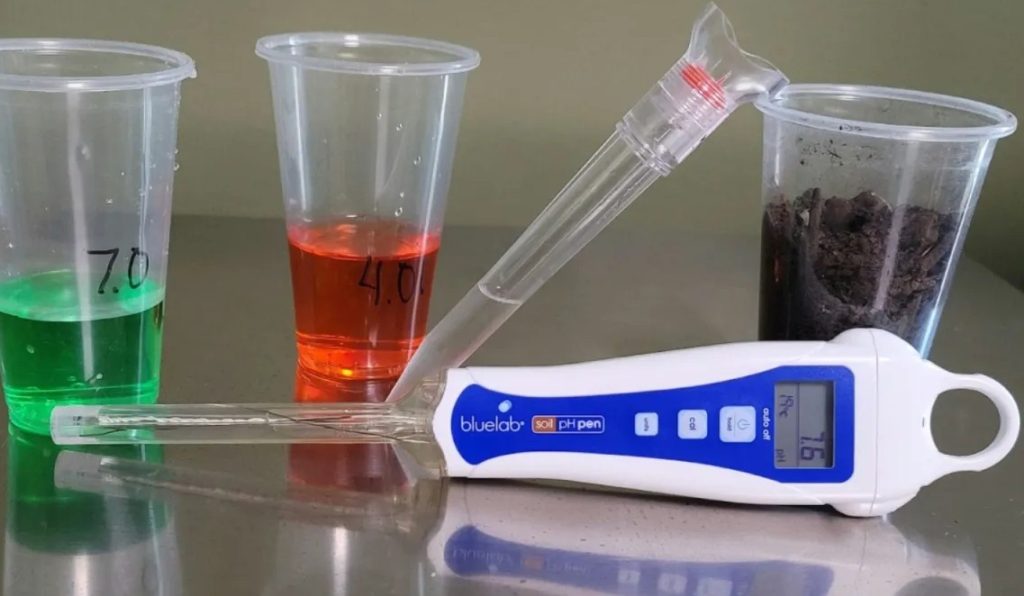
You might feel unsure about soil testing, but honestly, it’s not any more complicated than checking your body’s temperature. I started with a simple pH test kit from the local garden store—cost me under $10—which was straightforward: scoop some soil from a couple different spots, mix with water, add the test solution, and wait for that color change.
Pro tip: grab soil from several places, mix it for a more accurate soil snapshot.
If you want to skip the guessing game, your local extension services are gold mines. I sent samples last year and got back a detailed report telling me exactly what nutrients were lacking and how acidic my soil was. They even suggested lime application rates tailored for my clay soil—talk about taking the guesswork out of math!
My Favorite Acid-Loving Garden Heroes
Once I accepted my soil had its own “personality” (acidic and proud), I focused on plants that actually love that. Here’s my rock-solid lineup:
- Blueberries: Hands down the star of my yard now—juicy, sweet berries with minimal fuss.
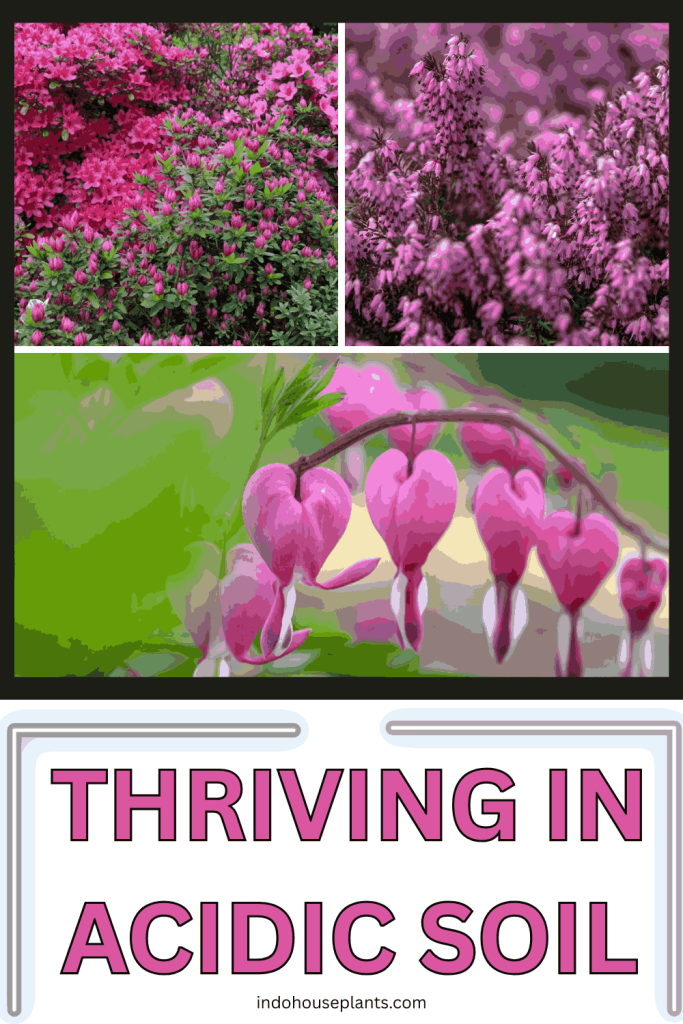
- Azaleas* and *Rhododendrons: These guys gave my spring the color boost it was craving.
- Camellias: For winter blooms that break the cold monotony.
- Hydrangeas: Especially the ones that shift flower color based on acidity—a little garden science experiment right at home.
- Ferns: Perfect for shady spots where acidic soil helps them stay lush.
- Potatoes: Surprised? I was too until I grew my own in raised acidic beds; they thrived without any fancy fertilizer.
Here’s a little insider: those Ericaceae family plants (blueberries, cranberries, azaleas) have evolved over millennia to not just survive but absolutely love acidic conditions. Plant them and watch your garden native to the soil.
Want to Grow Something “Wrong” for Acidic Soil? Here’s How I Raised the pH
I was determined to grow tomatoes one season, even though my soil was acidic clay soil, pH 5.3. Experts warned me lime was the way to go, but I learned it’s not a sprinkle-and-go kind of thing. Here’s the approach that saved my crop:
- Test First: Know where you start.
- Calculate Carefully: I used extension office guidelines and calculated about 7 pounds of lime per 100 sq ft for my heavy clay soil.
- Spread with Care: After spreading lime evenly, I mixed it into the top 6 inches of soil.
- Patience Is Key: The adjustment took nearly 4 months, so this was a winter prep project.
- Re-test Before Planting: My soil had bounced to a friendly 6.5 pH—perfect tomato territory!
Too much lime can swing pH alkaline and create a new set of problems (hello, magnesium deficiencies!), so don’t skip the testing before and after.
Real Talk: What Didn’t Work and How I Fixed It
At first, I tried forcing my usual favorites in acidic soil—roses, petunias, and tried tomatoes too soon. The yellowing leaves? Classic iron chlorosis from acidity. Plants looked starved despite feeding them regularly. Learning to recognize these signs saved me hours and frustration.
In raised beds, I even mixed pine needles and coffee grounds as mulch to maintain slight acidity for my acid-loving favorites. Those organic acids help keep pH low naturally, which was a game-changer.
You’re Not Alone—Every Acidic Soil Gardener Faces Trial and Triumph
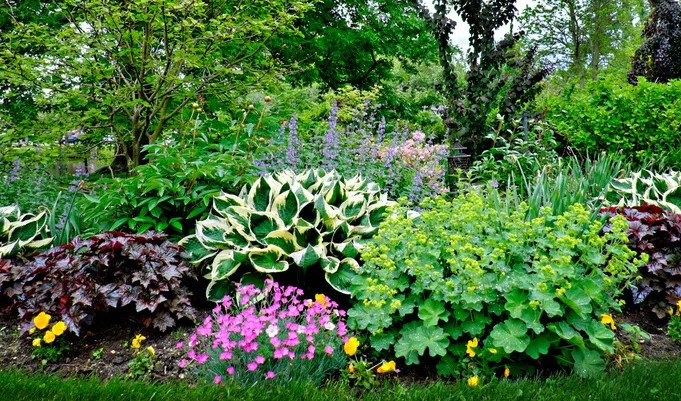
A friend of mine started with acidic soil just like I did and got discouraged after a few dry years. Then she shifted to native plants, adding a few organic mulches, and now her shady backyard looks like a woodland retreat with ferns and rhododendrons thriving. Another neighbor invested in container gardening filled with custom mixes to grow camellias and even lemons.
You don’t have to battle the soil, you just need to learn what it’s telling you.
Your Personalized Acidic Soil Game Plan
- Grab a soil test kit (or send off a sample) and really know your soil’s pH.
- Choose plants that celebrate acidity—blueberries are a personal favorite, but hydrangeas and azaleas come close.
- If you crave veggies like tomatoes, pea, or peppers, commit to a lime regimen and be patient—your soil needs time.
- Use organic mulch like pine needles or shredded oak leaves to maintain acidity naturally.
- Consider container gardening if you want complete control—fill pots with a custom acidic mix and grow camellias, ferns, or blueberries.
- Keep a garden journal. Track what you planted, soil tests, amendments, sun exposure, and how your plants responded.
Gardening in acidic soil isn’t about fighting the earth beneath your feet; it’s about forming an alliance. Once you start working with what your soil loves, not only does your garden thrive—it becomes deeply personal and satisfying.
This journey took some patience, but watching my acid-loving plants flourish made every test and tweak worthwhile. You’re about to unlock some seriously happy soil secrets—enjoy the discovery!