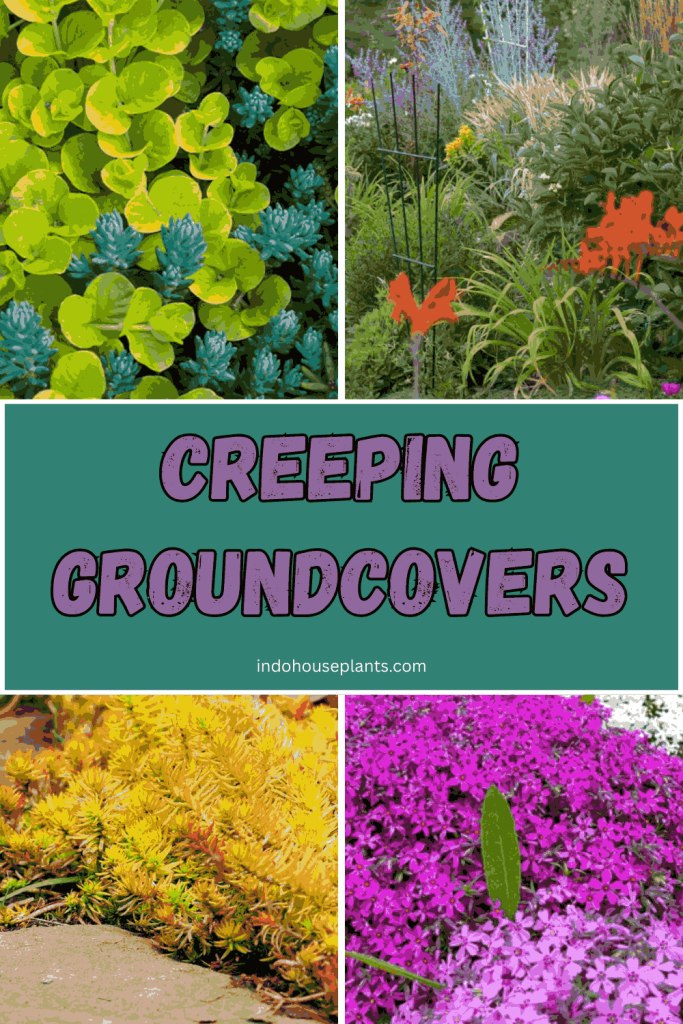
When I first started gardening, “creeping groundcovers” sounded like some fancy landscaping jargon meant for pros, not weekend warriors like me. But once I got my hands dirty, I realized these plants are the unsung heroes of any garden, quietly doing the heavy lifting below your feet. They’re like nature’s little patchworkers, stitching up bare soil, battling weeds, and adding subtle touches of beauty without demanding a ton of fuss.
What Makes Creeping Groundcovers So Special?
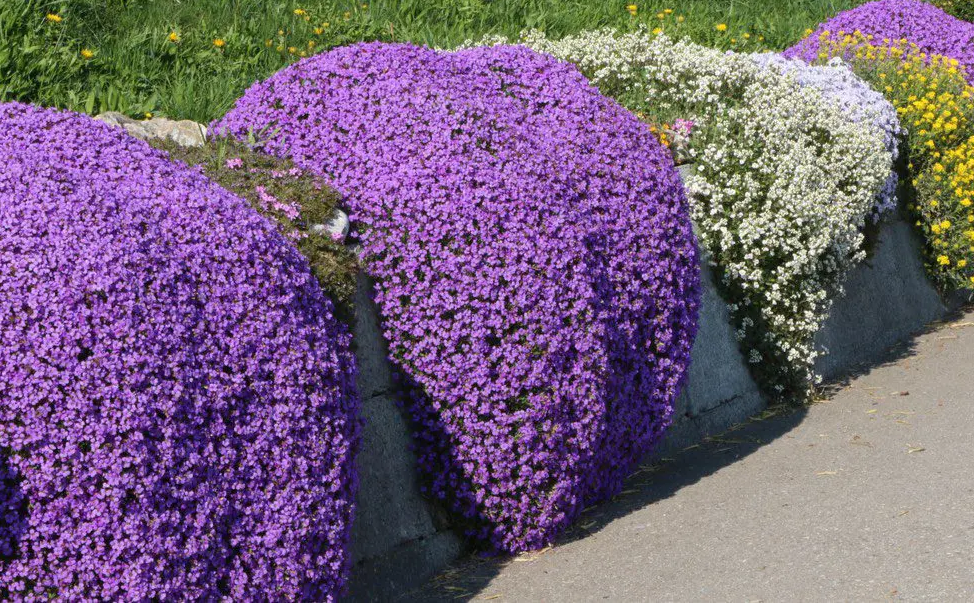
Picture a living, breathing quilt for your garden floor—low-growing plants that don’t shoot up high but instead spread sideways, weaving a dense mat over the soil. These groundcovers do more than just look nice: I’ve seen my slope stay put during sudden downpours because the roots hold the soil tight, preventing erosion.
Plus, by forming a thick layer, they choke out stubborn weeds better than any chemical spray I’ve tried. And, if you pick the right one, you’ll get pops of color or texture that transform a sad patch of dirt into something you actually want to show off.
Here’s what most people don’t know: certain creeping groundcovers can fill in spaces where grass refuses to grow, and some even tolerate foot traffic. It’s like getting a resilient green carpet that smells amazing or stays soft underfoot.
Picking the Perfect Creeper for Your Spot
Choosing just any groundcover isn’t the recipe for success. The first time I planted without considering sun exposure, the plants languished in a too-shady spot. Now, I always scout the area first, watching how sunlight moves across my yard during the day.
- Sunlight: Got a patch baking in the midday sun? Creeping thyme loves that heat and will reward you with fragrant blooms. Bright and sunny paths with stepping stones are perfect for thyme; I put some outside my kitchen door, and every time I walk on it, the scent is like a secret garden welcome.
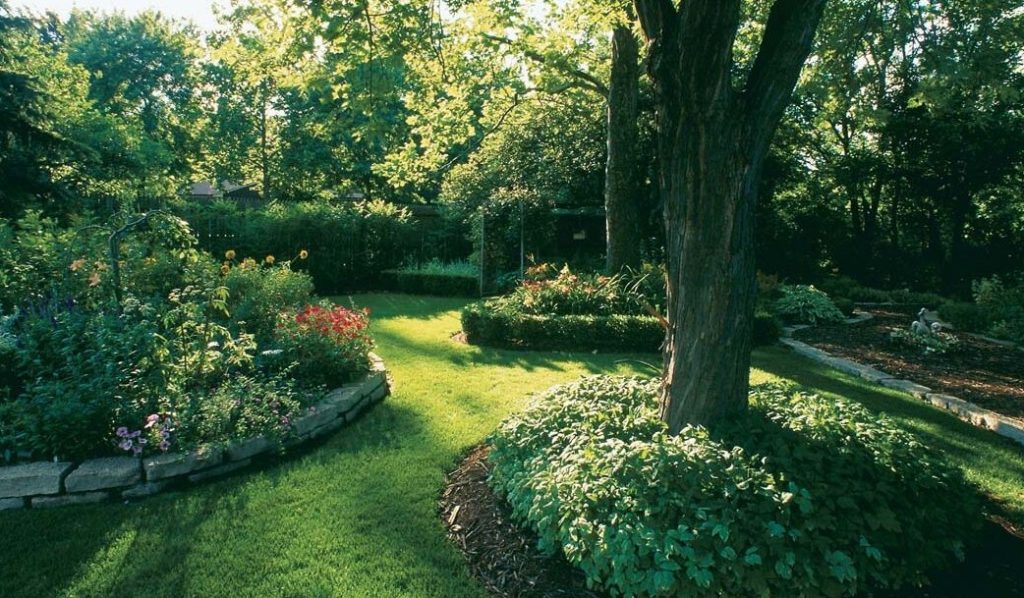
- Shade: There was a gloomy corner under my old maple tree that looked hopeless until I tried Irish moss. Its soft, almost spongy feel is like nature’s cushion, and it brightened that shadowy nook without demanding direct sunlight.
- Soil and Moisture: One of my favorite finds—Creeping Jenny—thrived near a spot that tends to stay damp from rain runoff. The chartreuse leaves add a striking contrast to darker foliage, but watch out because it can run away if unchecked!
- Traffic: If your dog or kids play in the yard, you want something tough. Creeping thyme takes light foot traffic with grace, so I planted it between stepping stones where guests naturally wander. For more on plant hardiness, the USDA Plant Hardiness Zone Map is an essential tool.
How to Set Them Up for Success
Before I made groundcover my go-to, I learned that a little prep saves a lot of headache. Clear out all the weeds and loosen the soil; this is key. Compost or organic matter is like a vitamin shot for your soil—it made a massive difference in how quickly my plants took off.
When planting, spacing matters too. I space mine about a foot apart, but that depends on the variety. It’s tempting to cram plants close to “fill it faster,” but giving them room means they’re less stressed and spread more vigorously in the long run.
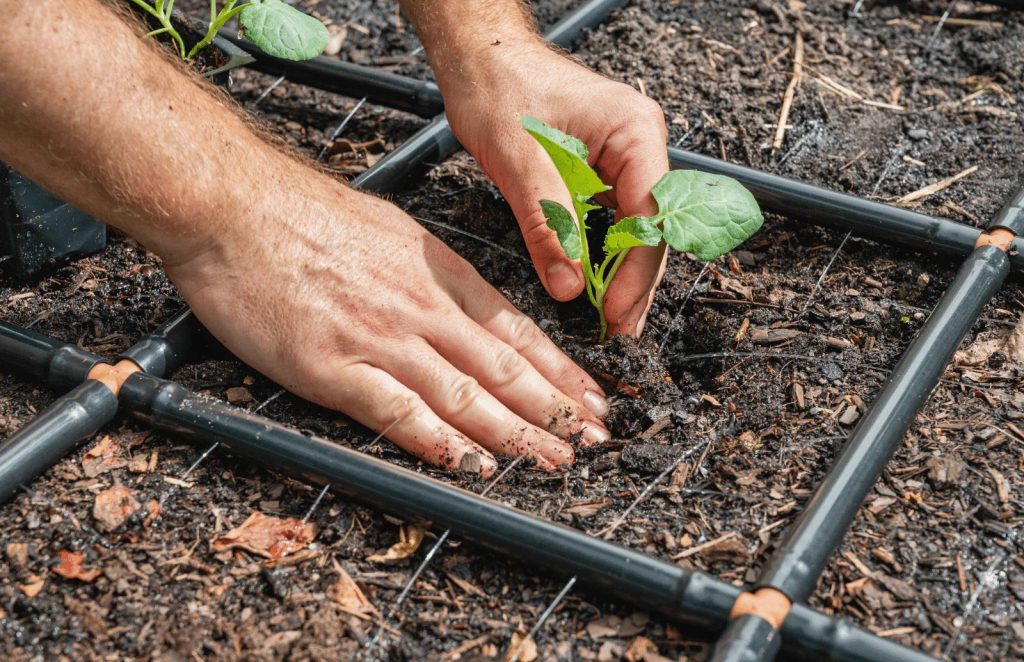
Watering is a beginner’s make-or-break moment: keep the soil moist during those first few weeks to help roots settle in. After that, many of these plants handle drought like champs. I made the mistake once of overwatering my creeping Jenny, and it started to rot. Lesson learned.
Don’t overlook trimming. I used to assume these plants would stay tidy on their own, but a quick trim once or twice a year keeps them neat and encourages fresh growth. Plus, it helps keep aggressive spreaders in line without much stress.
Real Gardens, Real Stories
I had a patch of dirt at the bottom of a small slope on my property that would wash out every time it rained. Planting creeping thyme there literally stopped the soil from sliding down into my driveway. Bonus: it looks (and smells) fantastic when it flowers.
Another spot under a deck was always damp and shaded, so nothing green would grow. Irish moss changed that entirely—suddenly I had a vibrant green carpet that felt lush under my feet and stayed green throughout the growing season.
And then there was my experiment: planting Creeping Jenny along a wet garden bed in my backyard. It took off faster than I expected, sending runners beyond their intended area within a year. I learned quick that good “groundcover management” means edging or frequent trimming to keep things from taking over.
Troubleshooting the Invisible Battles
Groundcovers aren’t completely “plant it and forget it.” I’ve definitely faced moments where the groundcover seemed to stall. A big culprit is the wrong light or soil conditions—when that happens, I recommend taking a step back, assessing the environment, and either amending the soil or trying a different species. Sometimes, a little mulch around new plants helps them get jump-started too.
Weeds can still sneak through during the first season. I keep a trowel handy for gentle removal, and a light mulch layer helps suppress stubborn intruders until the cover thickens.
If your groundcover starts to escape its boundaries, don’t panic—regular trimming or simple garden edging can keep them in check while still letting them do their job.
Why These Plants Became My Best Garden Allies
They’ve saved me hours of weeding, gave me pockets of color when flowers wouldn’t bloom, and turned tricky shady or sunny spots into vibrant living patches. The joy of stepping out and knowing those patches are low-maintenance and doing their job is oddly satisfying. Plus, some like creeping thyme even invite bees and butterflies, adding a lively buzz to the backyard.
How to Start Your Own Groundcover Journey Today
Take a short walk around your yard and find those tough spots—maybe a dry patch by the driveway, a shady nook, or bare soil around a tree. Notice how much sun they get through the day, jot it down. Head to your local nursery with that info and ask about creeping groundcovers suited to your area; the staff usually have great tips for varieties that thrive locally.
Pick one or two types to start with—small plugs are easier to establish than seeds. Prepare the soil well, plant them with a little elbow grease, and keep up that consistent watering rhythm for a few weeks. Then watch these tiny plants become your garden’s best friends, quietly spreading and making your outdoor space feel thoughtfully cared for.
Gardening isn’t about perfection but about growing space where life thrives with less hassle. Creeping groundcovers are one of those “easy wins” that reward you year after year. Give them a try; your soil will thank you, your eyes will enjoy the pop of green, and your future self will appreciate how low-maintenance your garden can be.